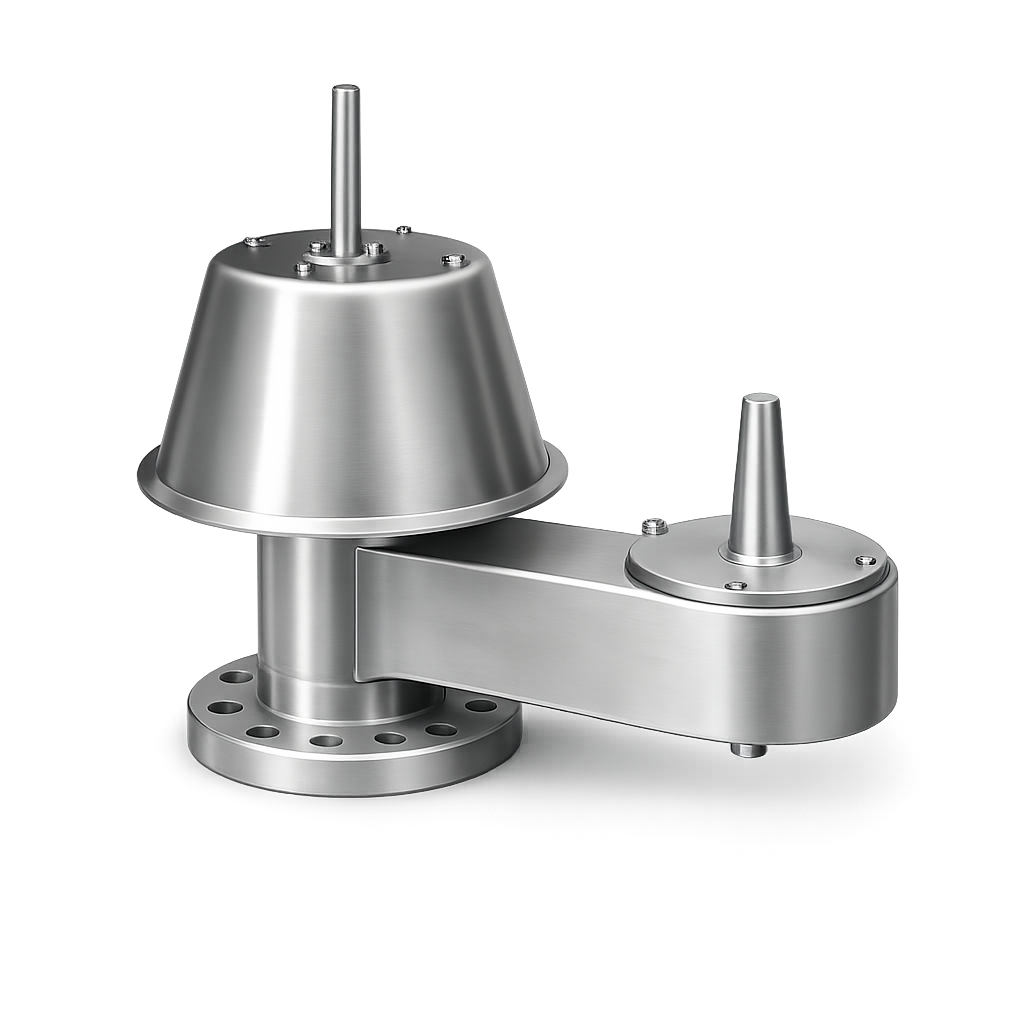
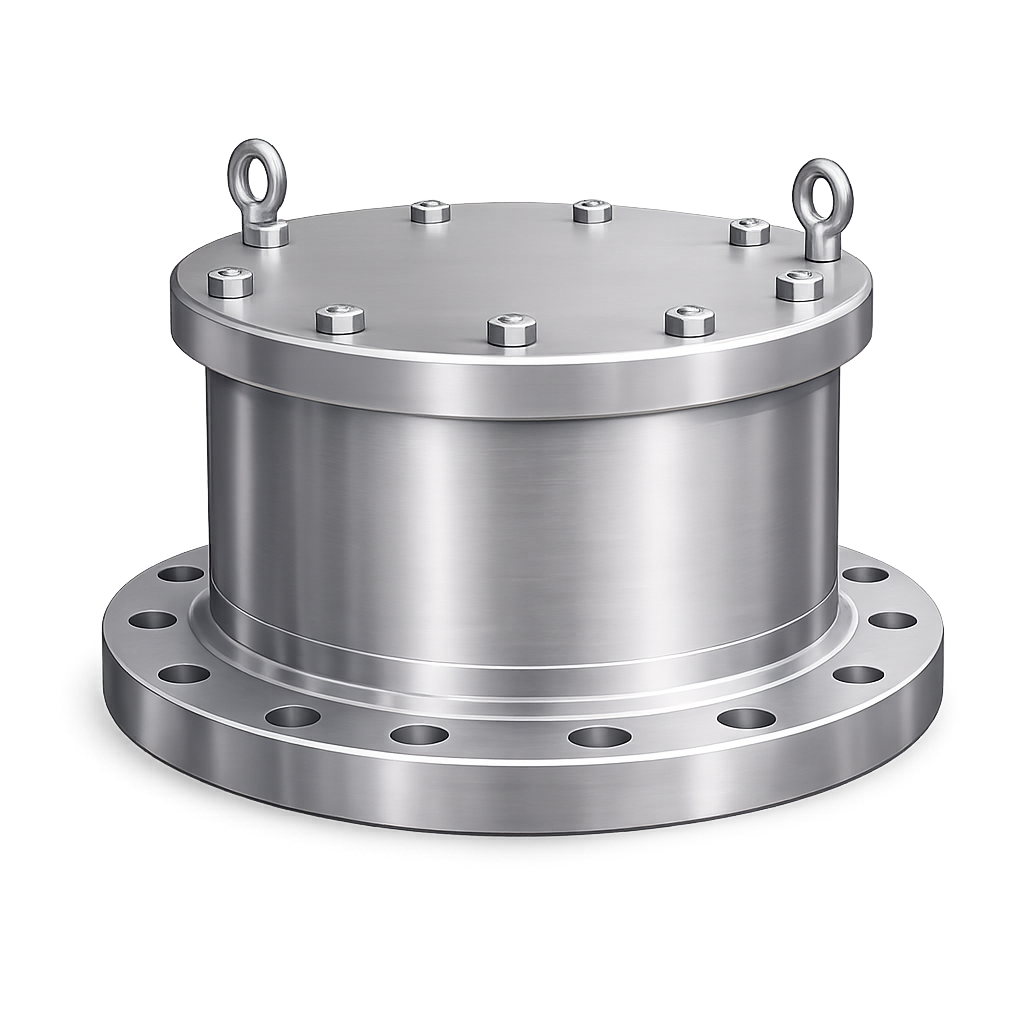
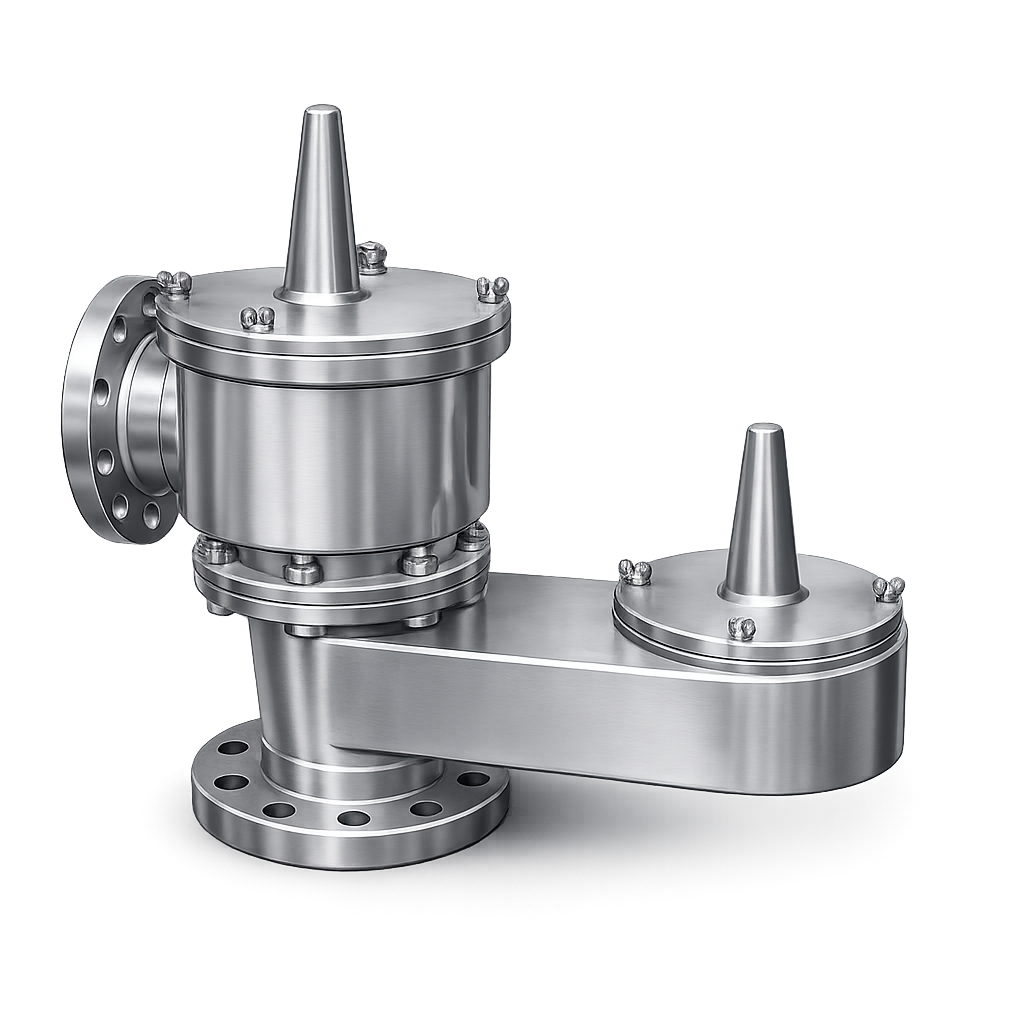
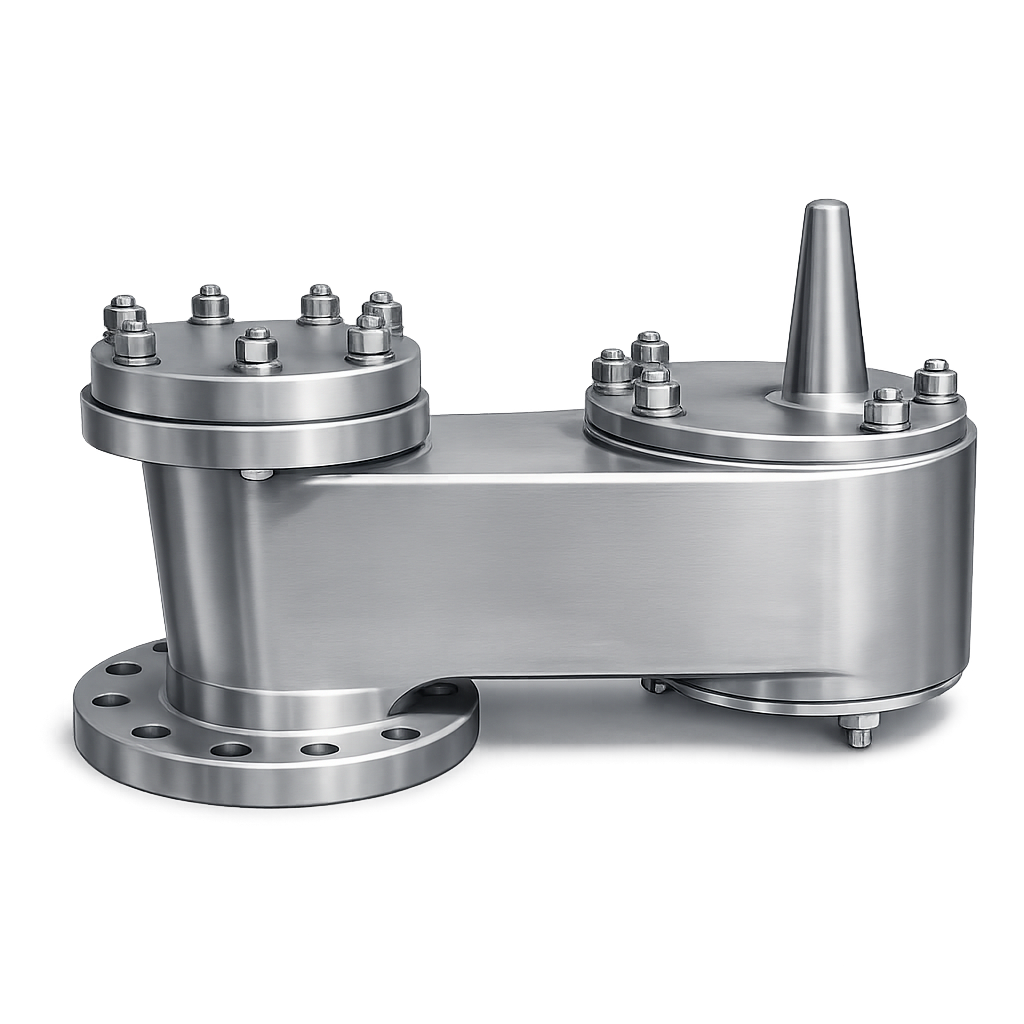
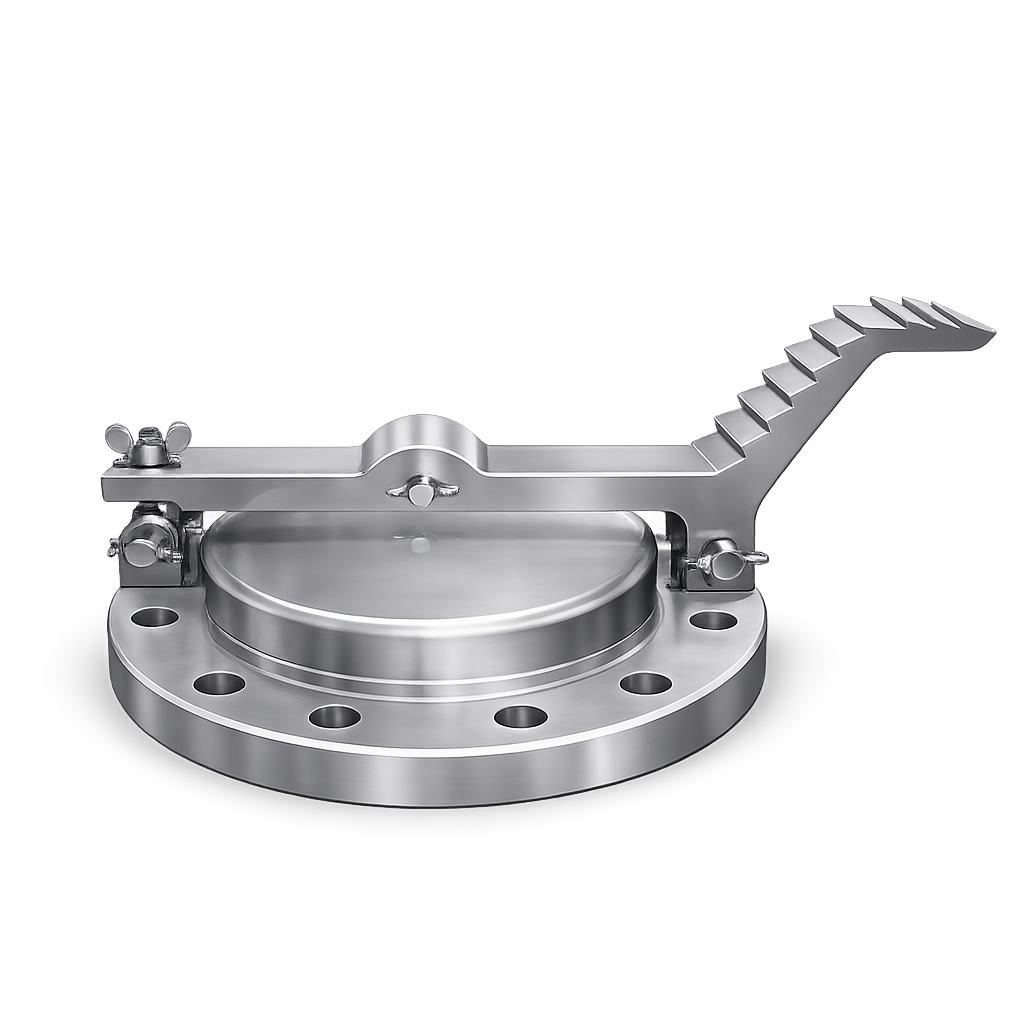
PIPE-AWAY EMERGENCY PRESSURE RELIEF VALVE

EFB13
  • Quick-opening emergency pressure relief with a fully piped-away discharge
  • EFB13A weight-loaded and EFB13B spring-loaded configurations selected by set pressure
  • Nominal sizes from 2 to 12 inches for tanks and low-pressure vessels
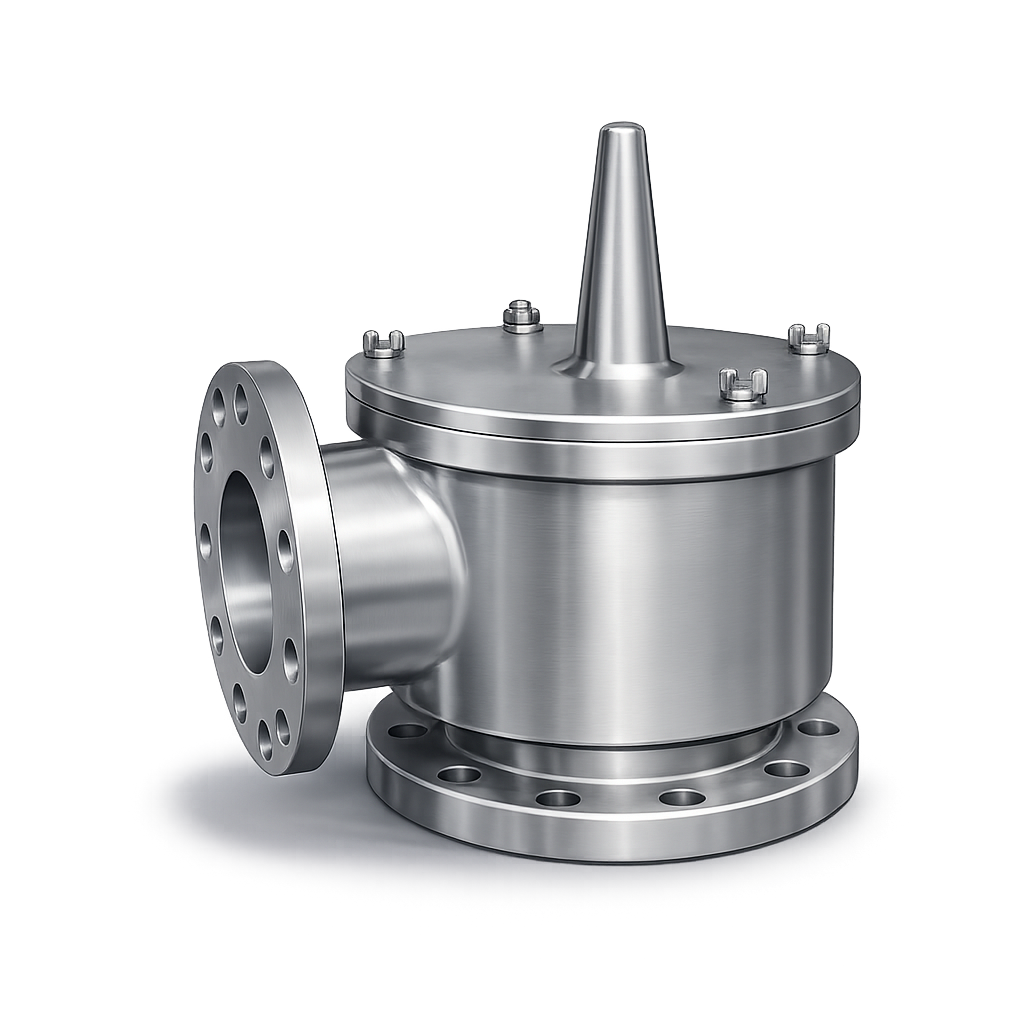
EFSVALVES EFB13 pipe-away emergency pressure relief valve for storage tanks

Applications

Configured Service Scope
Chemical
Gas
Oil & Gas
Petrochemical
Storage Tanks

Key Specifications

NOMINAL SIZES2" to 12" (DN50 to DN300)
PRESSURE SETTING RANGE22 to 700 mmH2O weight loaded / Above 700 to 10,000 mmH2O spring loaded
BODY MATERIALSCarbon Steel ASTM A216 WCB / Stainless Steel AISI 304 / Stainless Steel AISI 316
DIAPHRAGMPTFE
CONNECTIONSFlanged inlet and piped-away outlet

Selection & RFQ Assistant

Help us identify the right solution
Guided request

Build a technical RFQ line with service data, sizing conditions, accessories and documents.

01
Service
02
Process
03
Options

FAQs

The EFB13 provides quick-opening overpressure relief for storage tanks, piping and low-pressure vessels. It is intended for duties where the required emergency discharge may exceed the capacity of the normal operating vent.
Normal tank venting manages the pressure and vacuum changes associated with routine operating conditions. The EFB13 is intended for emergency positive-pressure relief where the required discharge may exceed the capacity of the normal operating vent.
A pipe-away emergency relief valve is appropriate where the relieved vapour must be routed through connected piping to a vent header, vapour recovery system or other designated destination rather than discharged directly at the tank. The choice depends on the process, discharge philosophy and project requirements.
No. The EFB13 is intended for emergency positive-pressure relief. Normal operating pressure control and vacuum protection must be provided by the appropriate tank-venting equipment.

ABOUT EFB13

The EFB13 pipe-away emergency pressure relief valve is a quick-opening tank protection valve designed to discharge excessive internal pressure into a connected vent header or recovery line. It is intended for storage tanks, piping and low-pressure vessels where released vapours must be routed away instead of vented directly at the valve.

Pressure can rise when liquid is pumped into a tank, when temperature increases vapour generation or thermal expansion, or when an abnormal operating condition creates a relief demand beyond the capacity of the normal tank vent. When the selected set pressure is reached, the pressure pallet lifts and provides a large discharge path, helping protect the equipment against structural damage caused by overpressure.

The EFB13 covers nominal sizes from 2 to 12 inches (DN50 to DN300). Weight-loaded EFB13A configurations cover settings from 22 to 700 mmH2O, while spring-loaded EFB13B configurations are used above 700 mmH2O, within the published overall range up to 10,000 mmH2O. The loading arrangement is selected from the required opening pressure.

Available commercial body constructions include carbon steel ASTM A216 WCB, stainless steel AISI 304 / EN 1.4308 and stainless steel AISI 316 / EN 1.4408. A PTFE diaphragm supports sealing, and the self-draining body with drip-ring protection helps reduce the effects of condensation and freezing around the seating surfaces.

Final selection requires the set pressure, allowable accumulation, required relief capacity, fluid and vapour data, relieving temperature, tank or vessel design limits, inlet and outlet flange requirements and vent-header backpressure. The discharge piping must be checked so that pressure losses and built-up backpressure do not compromise the required relieving performance.

Frequently Asked Questions

The EFB13 provides quick-opening overpressure relief for storage tanks, piping and low-pressure vessels. It is intended for duties where the required emergency discharge may exceed the capacity of the normal operating vent.
Normal tank venting manages the pressure and vacuum changes associated with routine operating conditions. The EFB13 is intended for emergency positive-pressure relief where the required discharge may exceed the capacity of the normal operating vent.
A pipe-away emergency relief valve is appropriate where the relieved vapour must be routed through connected piping to a vent header, vapour recovery system or other designated destination rather than discharged directly at the tank. The choice depends on the process, discharge philosophy and project requirements.
No. The EFB13 is intended for emergency positive-pressure relief. Normal operating pressure control and vacuum protection must be provided by the appropriate tank-venting equipment.
Because the EFB13 discharges into connected piping, pressure losses in the outlet line and built-up backpressure can influence the required relieving performance. The discharge header and piping arrangement should therefore be considered during sizing and final valve selection.
Tank pressure can increase during conditions such as liquid filling, increased vapour generation due to temperature, thermal expansion or abnormal operating events. The governing emergency scenario and required relief capacity should be established before sizing the EFB13.
The loading arrangement is selected according to the required opening pressure. The published EFB13A weight-loaded configuration covers 22 to 700 mmH2O, while EFB13B spring-loaded configurations are used above 700 mmH2O up to the published overall limit of 10,000 mmH2O.
The published range covers nominal sizes from 2 to 12 inches, equivalent to DN50 through DN300. The final inlet and outlet dimensions and flange details must be confirmed for the selected configuration.
Commercial body options include carbon steel ASTM A216 WCB, stainless steel AISI 304 / EN 1.4308 and stainless steel AISI 316 / EN 1.4408. Internal material compatibility must be checked against the process vapour and environmental conditions.
The valve uses a self-draining housing and drip rings intended to limit the accumulation of condensate around the seating surfaces and reduce the risk of freezing-related interference.
Sizing is based on the governing emergency pressure-relief scenario, required vapour or gas capacity, set pressure, allowable overpressure, fluid properties, relieving temperature, tank or vessel design pressure and pressure losses in the connected discharge system.
Provide the fluid and composition, operating and relieving temperatures, governing emergency scenario, required set pressure, allowable overpressure, required relief capacity or sizing data, tank or vessel design pressure, inlet and outlet flange requirements, body material, discharge-header backpressure and documentation requirements.