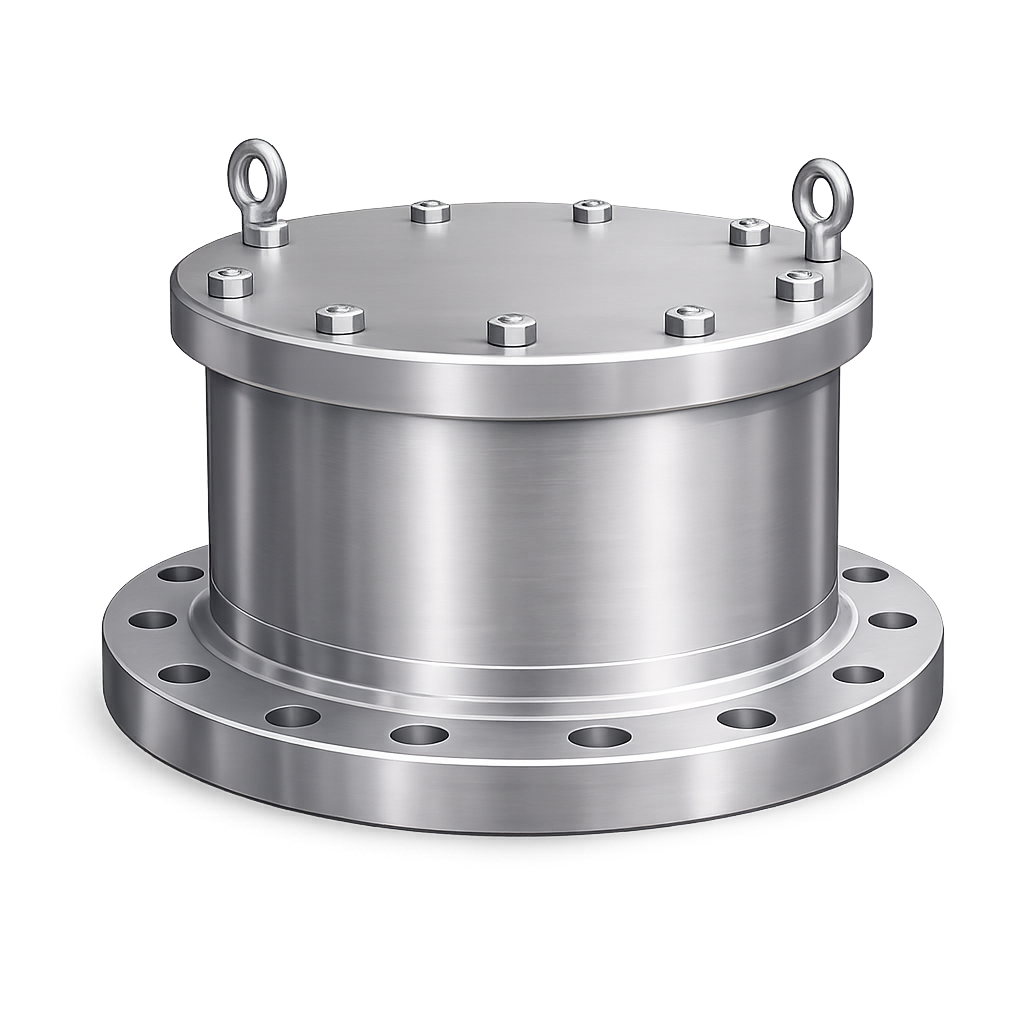
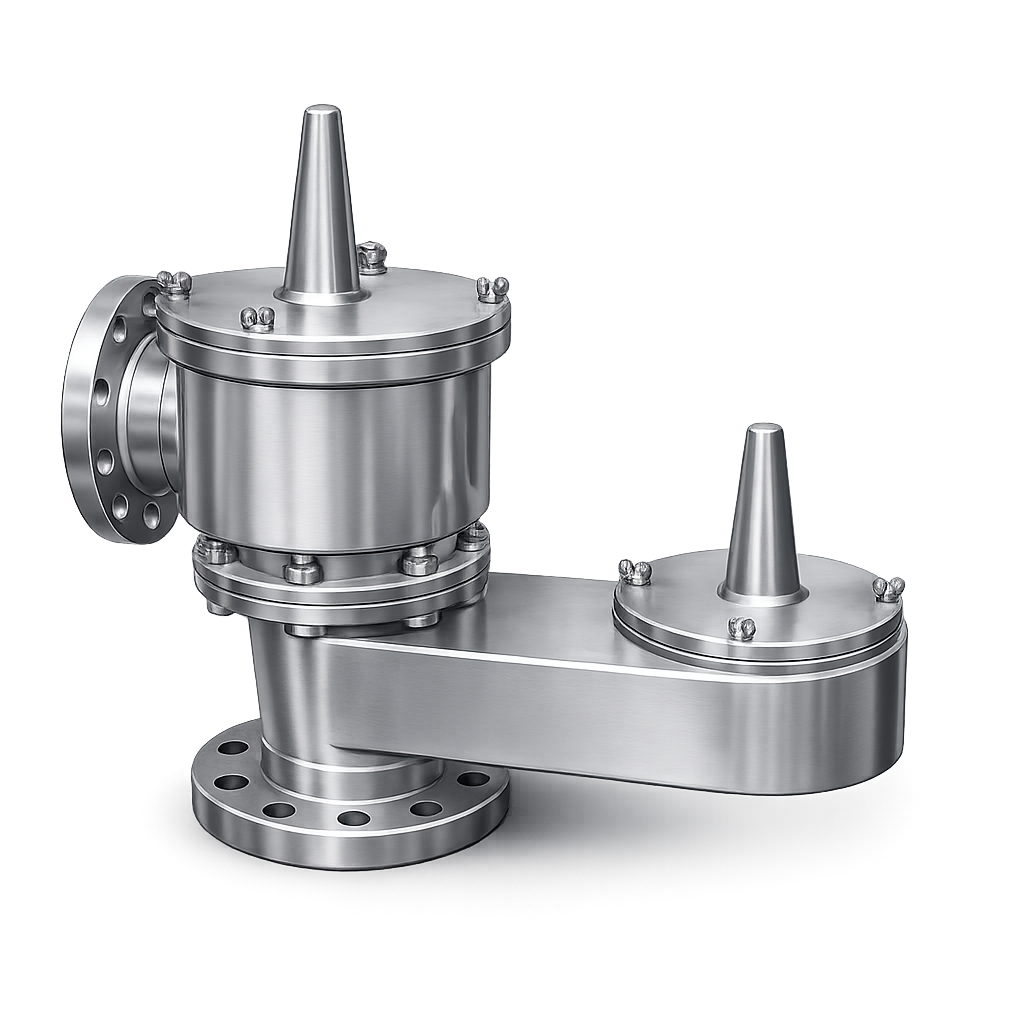
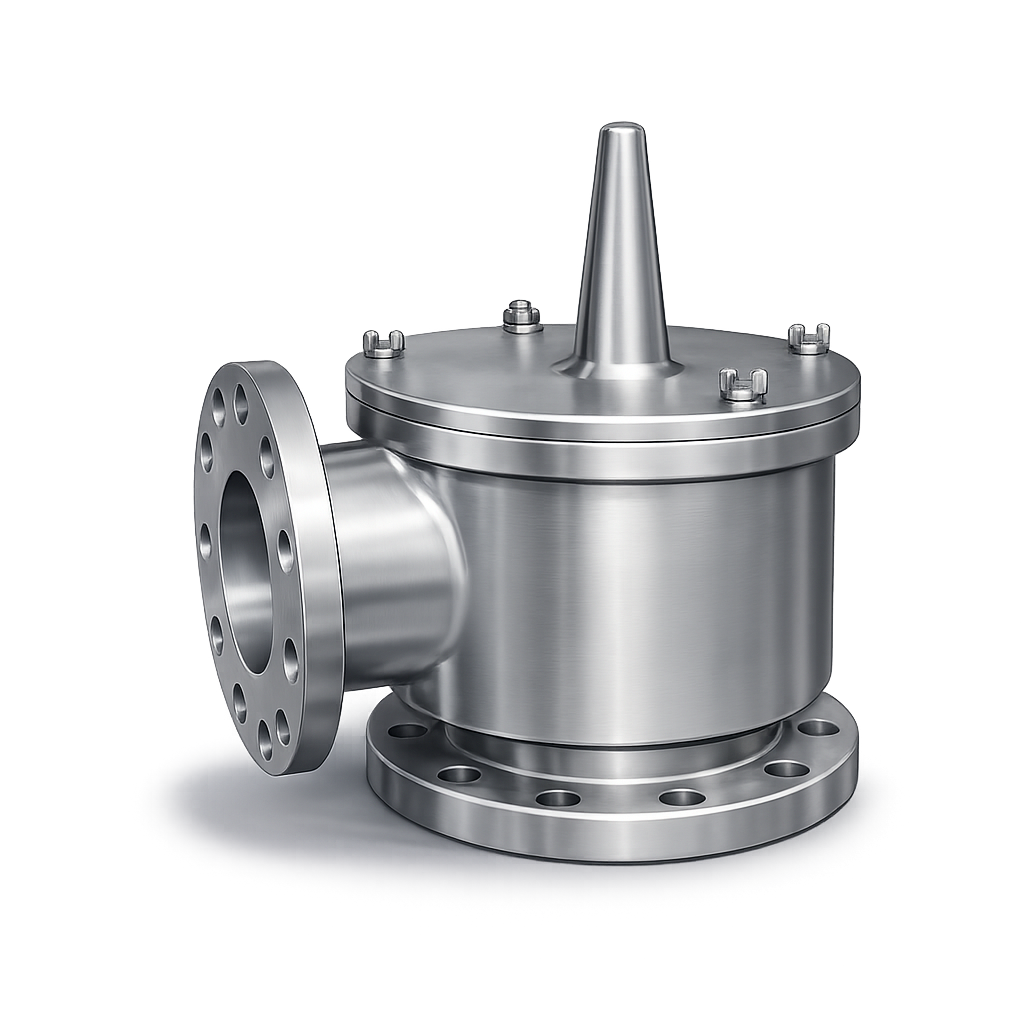
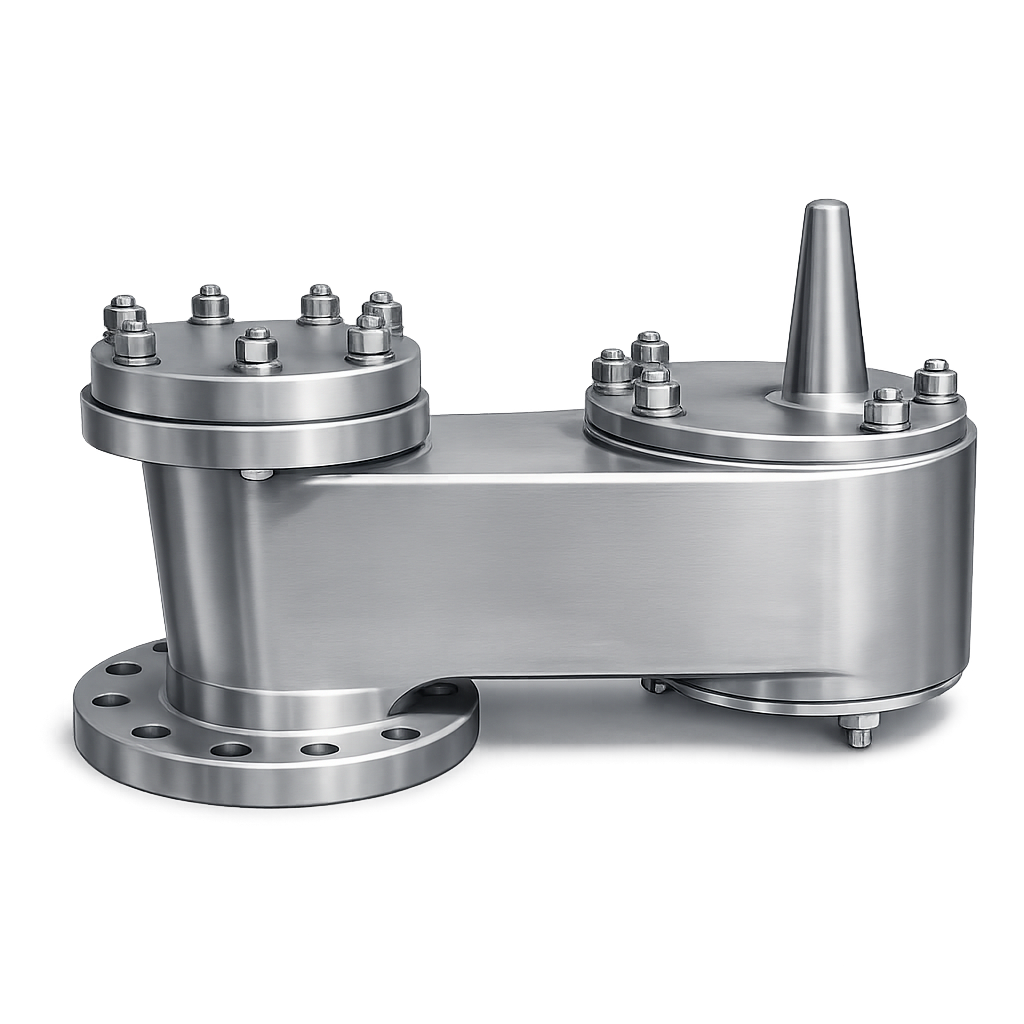
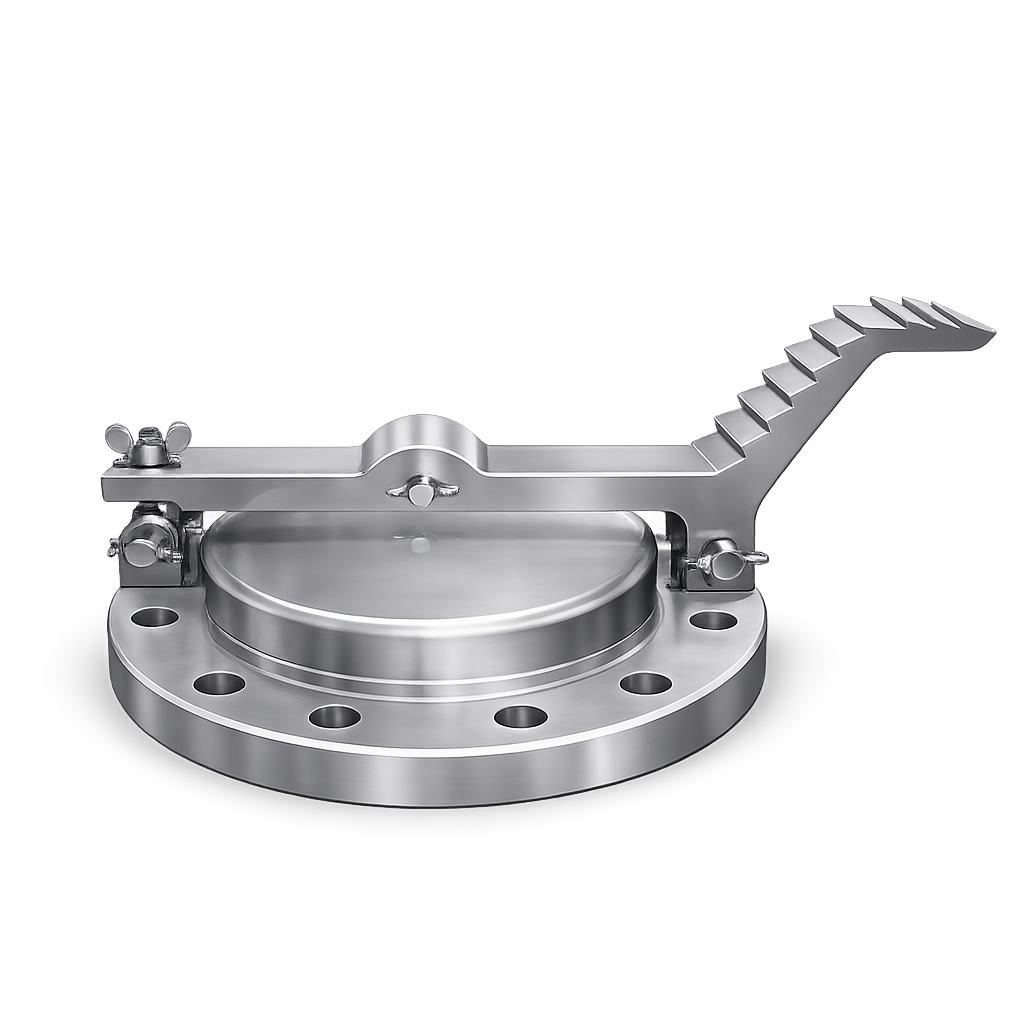
TANK / END-OF-LINE PRESSURE / VACUUM RELIEF VALVE

EFB12
  • API 2000 tank and end-of-line pressure and vacuum protection
  • Weight-loaded or spring-loaded settings from 2.45 to 784 mbarg
  • Tight soft-seat sealing with floating PTFE diaphragm
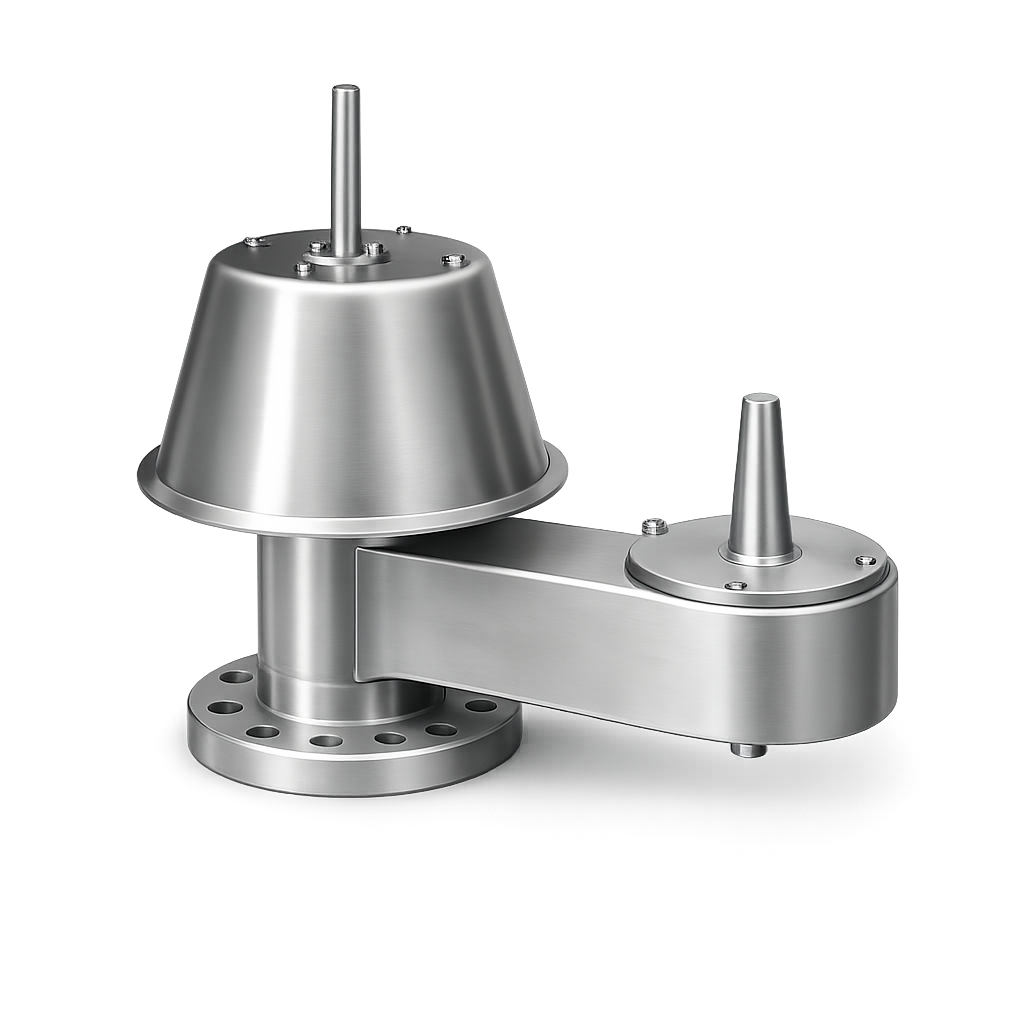
Tank protection and venting pressure-vacuum relief valve assembly

Applications

Configured Service Scope
Chemical
Gas
Oil & Gas
Petrochemical
Storage Tanks

Key Specifications

NOMINAL SIZES2" to 12" (DN50 to DN300)
SETTING RANGEWeight loaded: 2.45 to 68 mbarg Spring loaded: 68 to 784 mbarg
DESIGN STANDARDAPI 2000
MATERIALSCarbon Steel / Stainless Steel / Duplex & Super Duplex
CONNECTIONSFlanged RF / FF
SEALINGSoft seat / PTFE diaphragm

Selection & RFQ Assistant

Help us identify the right solution
Guided request

Build a technical RFQ line with service data, sizing conditions, accessories and documents.

01
Service
02
Process
03
Options

FAQs

The EFB12 protects fixed-roof atmospheric storage tanks against excessive internal pressure and vacuum. It provides controlled out-breathing during filling or thermal expansion and controlled in-breathing during emptying or cooling, helping prevent tank deformation, rupture or collapse.
The EFB12 is designed for installation directly on a tank nozzle or at the end of a vent line. For pressure and vacuum relief within a pipeline or vapour header, the corresponding inline valve configuration should be selected.
The weight-loaded EFB12A covers pressure or vacuum settings from 2.45 to 68 mbarg. The spring-loaded EFB12B covers settings from 68 to 784 mbarg. The loading mechanism is selected from the required set point and operating conditions.
The EFB12 is available in nominal sizes from 2 to 12 inches, equivalent to DN50 through DN300. Final size is determined from the required out-breathing and in-breathing capacities, tank data and allowable pressure or vacuum accumulation.

ABOUT EFB12

The EFB12 tank and end-of-line pressure and vacuum relief valve protects fixed-roof atmospheric storage tanks against damaging overpressure and excessive vacuum. Installed directly on a tank nozzle or at the end of a vent line, it provides controlled out-breathing and in-breathing as liquid levels and vapour conditions change.

Designed on an API 2000 basis, the EFB12 combines a high-flow pallet arrangement with a floating PTFE diaphragm, guided movement and soft-seat sealing. This construction supports dependable opening at low set pressures while helping retain valuable or hazardous vapours during normal tank operation.

The weight-loaded EFB12A covers pressure or vacuum settings from 2.45 to 68 mbarg, while the spring-loaded EFB12B covers settings from 68 to 784 mbarg. Nominal sizes range from 2 to 12 inches (DN50 to DN300), with flanged RF or FF connections for integration with the tank nozzle or vent system.

Carbon steel, stainless steel, duplex or super duplex constructions are available for chemical, petrochemical, oil and gas, gas-handling and storage-tank duties. Bug screens, protective coatings, PTFE lining or coating, steam jackets and combination with a flame arrester can be evaluated according to the fluid, environment and project requirements.

Frequently Asked Questions

The EFB12 protects fixed-roof atmospheric storage tanks against excessive internal pressure and vacuum. It provides controlled out-breathing during filling or thermal expansion and controlled in-breathing during emptying or cooling, helping prevent tank deformation, rupture or collapse.
The EFB12 is designed for installation directly on a tank nozzle or at the end of a vent line. For pressure and vacuum relief within a pipeline or vapour header, the corresponding inline valve configuration should be selected.
The weight-loaded EFB12A covers pressure or vacuum settings from 2.45 to 68 mbarg. The spring-loaded EFB12B covers settings from 68 to 784 mbarg. The loading mechanism is selected from the required set point and operating conditions.
The EFB12 is available in nominal sizes from 2 to 12 inches, equivalent to DN50 through DN300. Final size is determined from the required out-breathing and in-breathing capacities, tank data and allowable pressure or vacuum accumulation.
The EFB12 uses API 2000 as its design basis for venting atmospheric and low-pressure storage tanks. Final sizing considers the actual tank geometry, filling and emptying rates, thermal breathing and project requirements.
Available EFB12 constructions include carbon steel, stainless steel, duplex or super duplex. Protective painting, special coatings, PTFE lining or PTFE coating can also be evaluated for corrosive media and demanding environments.
Yes. A combined pressure and vacuum relief valve with flame arrester can be evaluated when tank venting also requires flame-propagation protection. The complete assembly must be selected for the fluid, installation conditions and required venting capacity.
Selection requires the stored product and vapour composition, required relief function, pressure and vacuum settings, tank design limits, allowable overpressure and overvacuum, separate out-breathing and in-breathing capacities or tank sizing data, operating temperature, installation arrangement, nozzle size, flange facing, material and any coating, lining, flame-arrester or documentation requirements.
The terms tank breather valve and pressure-vacuum relief valve are commonly used for devices that provide controlled tank out-breathing and in-breathing. The EFB12 provides both positive-pressure and vacuum relief, opening only when the corresponding selected setting is reached.
Out-breathing is the release of vapour or gas when internal tank pressure increases, for example during filling or thermal expansion. In-breathing is the admission of air or another compatible gas when internal pressure falls, for example during emptying or cooling. The EFB12 provides both functions within the same pressure-vacuum relief valve.
Normal tank venting manages pressure and vacuum changes associated with routine operations such as filling, emptying and thermal breathing. Emergency venting provides additional relief capacity for abnormal scenarios that cannot be handled by the normal tank vent alone. The EFB12 is primarily a normal pressure-vacuum venting device; any emergency relief case should be evaluated separately.
Not automatically. The EFB12 provides controlled normal pressure and vacuum relief. An emergency vent may be required where an abnormal overpressure scenario demands additional relieving capacity beyond the normal venting requirement. Normal and emergency duties should be evaluated separately from the actual tank and process data.
A conservation vent is a pressure-vacuum relief valve that remains closed during normal tank operation and opens when the selected pressure or vacuum setting is reached. By limiting unnecessary tank breathing, it can help retain process vapours and reduce evaporation losses. The EFB12 performs this function using its soft-seat and PTFE diaphragm arrangement.
Yes. The EFB12 can be considered for EPC and project-managed applications where tank data, pressure and vacuum settings, required out-breathing and in-breathing capacities, materials, flange requirements, coatings or lining, flame-arrester requirements and documentation scope are defined during the RFQ stage. Final sizing and configuration should be confirmed against the actual tank, process and project requirements.