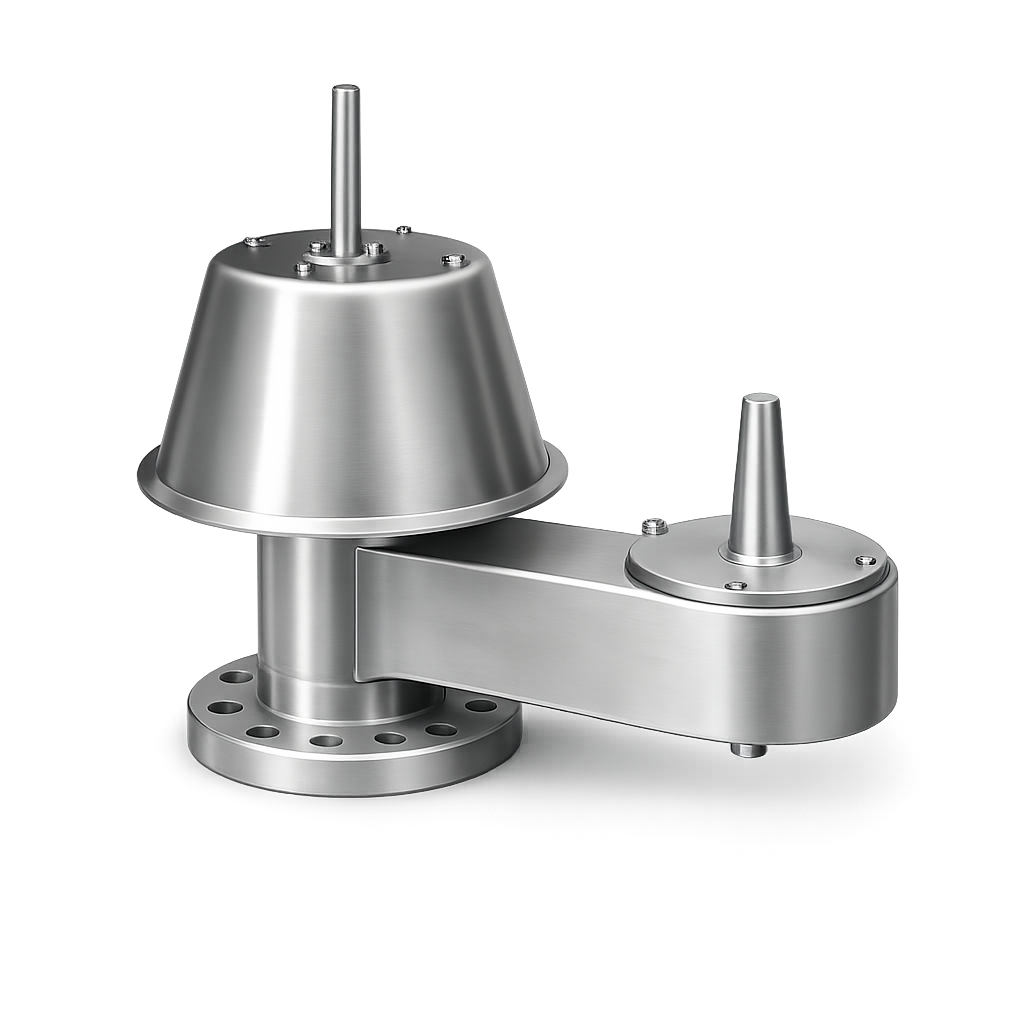
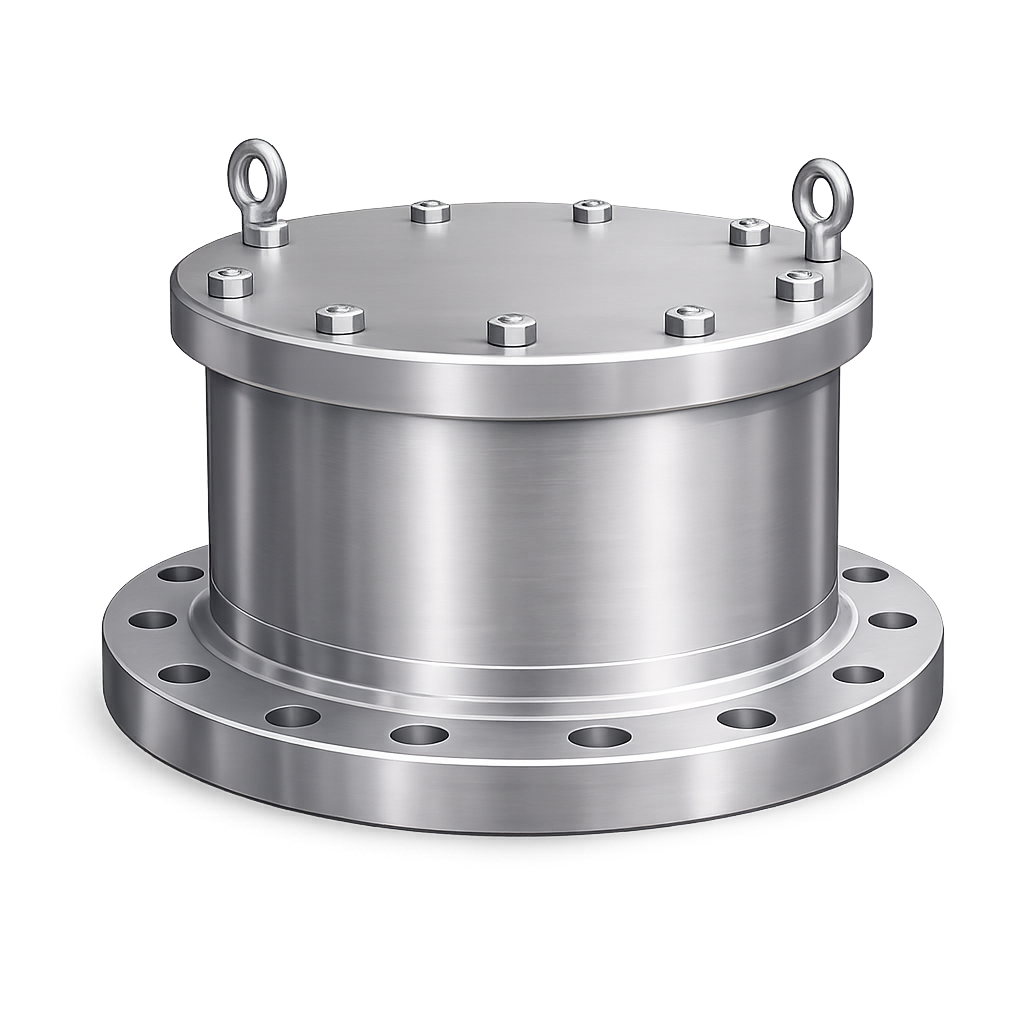
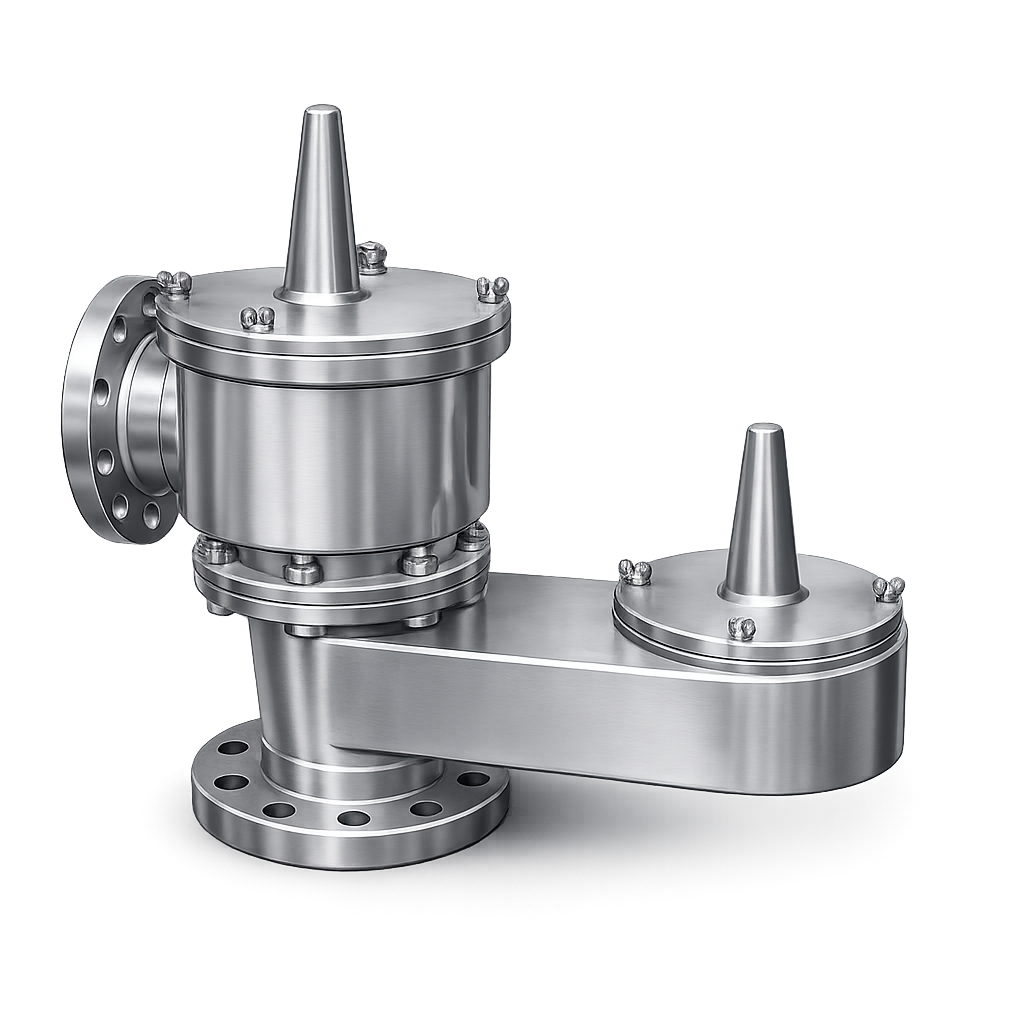
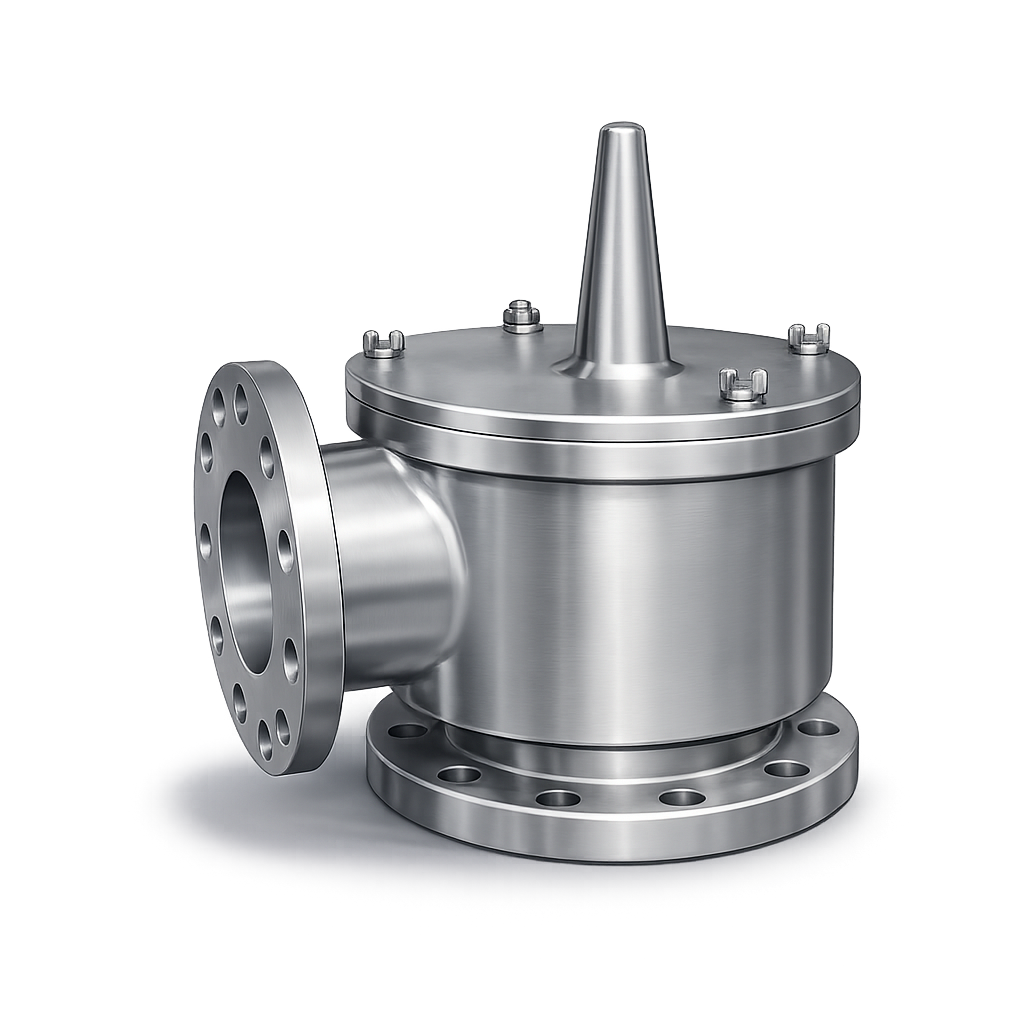
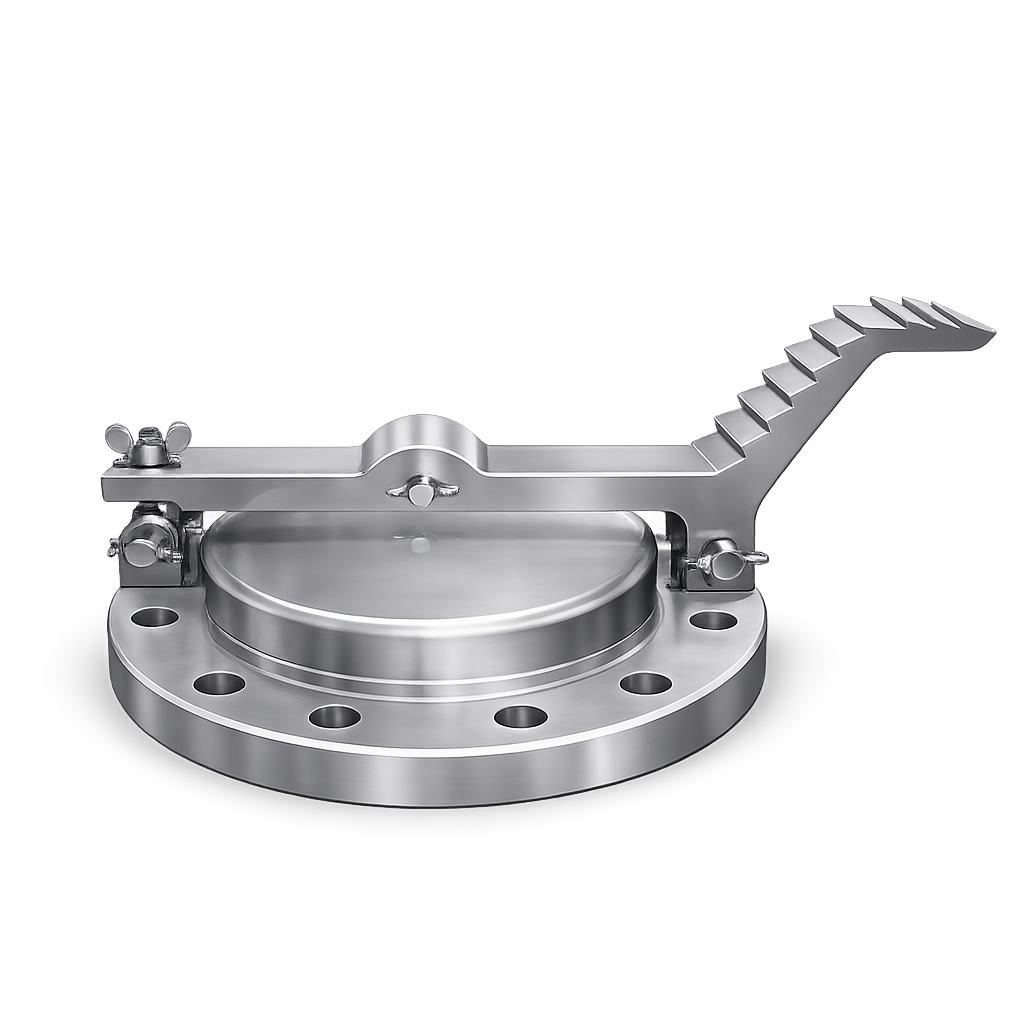
TANK VACUUM RELIEF VALVE

EFB11
  • Controlled tank in-breathing for protection against vacuum collapse
  • Vacuum settings from 22 to 8,400 mmH2O
  • Guided high-flow pallet with PTFE or metal seat
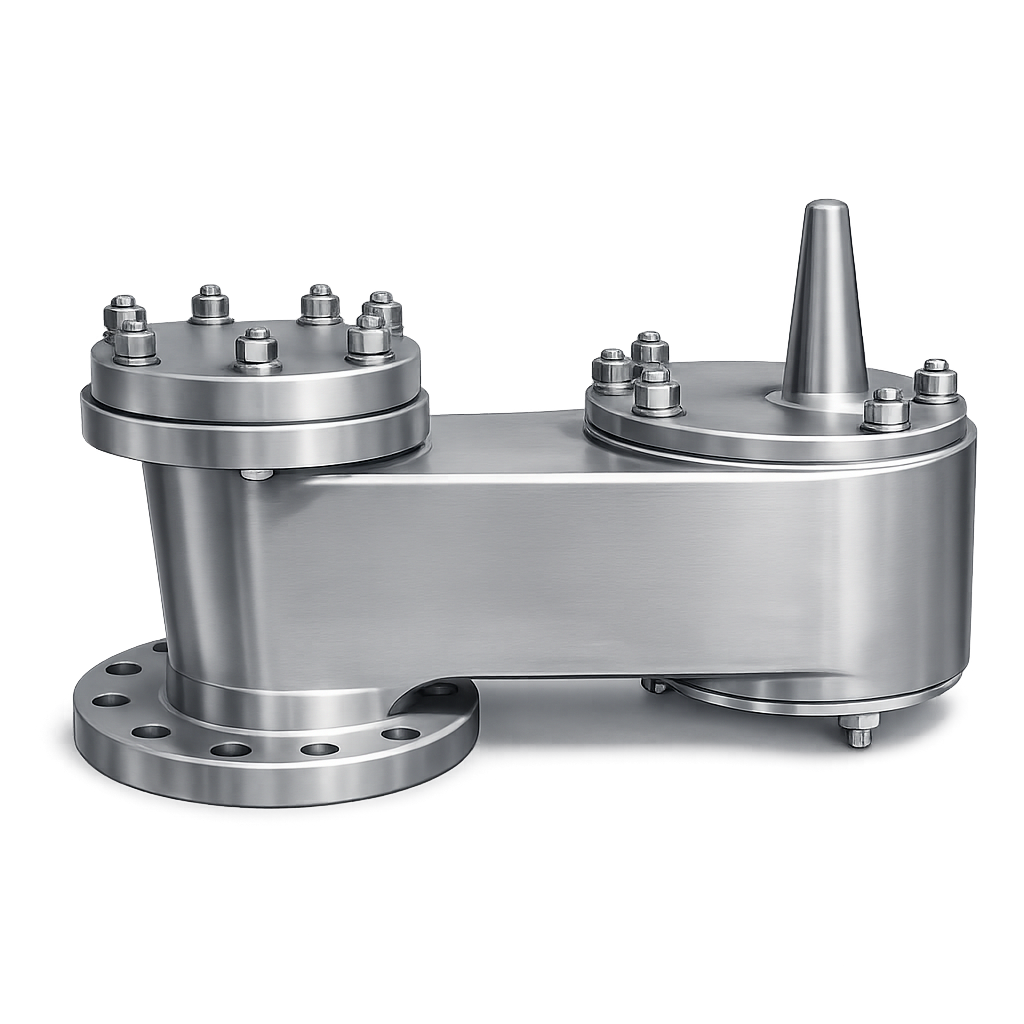
EFB11 tank-mounted vacuum relief and breather valve

Applications

Configured Service Scope
Chemical
Gas
Oil & Gas
Petrochemical
Storage Tanks

Key Specifications

FUNCTIONVacuum relief / Controlled in-breathing
NOMINAL SIZES2" to 12" (DN50 to DN300)
VACUUM SETTING RANGE22 to 8,400 mmH2O
BODY MATERIALSCarbon Steel ASTM A216 WCB / Stainless Steel AISI 304 / Stainless Steel AISI 316
DIAPHRAGMPTFE floating diaphragm
SEAT OPTIONSPTFE soft seat / Metal seat
CONNECTIONFlanged; facing and standard to project specification

Selection & RFQ Assistant

Help us identify the right solution
Guided request

Build a technical RFQ line with service data, sizing conditions, accessories and documents.

01
Service
02
Process
03
Options

FAQs

The EFB11 protects atmospheric storage tanks and sealed low-pressure enclosures against excessive vacuum. It admits air or a compatible gas through a controlled opening when internal pressure falls below the selected setting, helping prevent tank deformation or collapse.
Vacuum can develop when liquid is pumped out, vapour condenses, the tank cools rapidly or thermal conditions reduce vapour-space pressure. If adequate in-breathing is not available, external atmospheric pressure can damage the tank shell or roof.
No. The EFB11 is a dedicated vacuum relief valve for controlled in-breathing. Applications requiring overpressure relief as well as vacuum protection should use a separate or combined pressure-vacuum relief configuration selected for both duties.
The published EFB11 setting range is 22 to 8,400 mmH2O. The final opening setting and allowable overvacuum must be checked against the tank design limits, operating conditions and required in-breathing capacity.

ABOUT EFB11

The EFB11 tank vacuum relief valve protects fixed-roof atmospheric storage tanks and sealed low-pressure enclosures against damaging vacuum conditions. Installed directly on the tank or at the end of a vent connection, it admits air or a compatible gas when internal pressure falls below the selected vacuum setting.

Vacuum can develop during tank emptying, rapid cooling, vapour condensation or thermal changes. Without controlled in-breathing, the resulting differential pressure can deform or collapse the tank shell. The EFB11 opens in a controlled manner to restore pressure while helping maintain tank integrity and process safety.

A floating PTFE diaphragm provides tight sealing, while the peripheral and stem-guided vacuum pallet supports reliable movement and high flow. Heavy-duty construction is combined with a compact arrangement for easier installation and maintenance. PTFE soft-seat and metal-seat configurations are available according to service conditions.

The EFB11 is available from 2 to 12 inches (DN50 to DN300), with vacuum settings from 22 to 8,400 mmH2O. Carbon steel ASTM A216 WCB, stainless steel AISI 304 and stainless steel AISI 316 body constructions cover general industrial, chemical, petrochemical, oil and gas and storage-tank applications.

Frequently Asked Questions

The EFB11 protects atmospheric storage tanks and sealed low-pressure enclosures against excessive vacuum. It admits air or a compatible gas through a controlled opening when internal pressure falls below the selected setting, helping prevent tank deformation or collapse.
Vacuum can develop when liquid is pumped out, vapour condenses, the tank cools rapidly or thermal conditions reduce vapour-space pressure. If adequate in-breathing is not available, external atmospheric pressure can damage the tank shell or roof.
No. The EFB11 is a dedicated vacuum relief valve for controlled in-breathing. Applications requiring overpressure relief as well as vacuum protection should use a separate or combined pressure-vacuum relief configuration selected for both duties.
The published EFB11 setting range is 22 to 8,400 mmH2O. The final opening setting and allowable overvacuum must be checked against the tank design limits, operating conditions and required in-breathing capacity.
The EFB11 is available in nominal sizes from 2 to 12 inches, equivalent to DN50 through DN300. Individual standard sizes and dimensions are listed in the technical datasheet.
Published body materials include carbon steel ASTM A216 WCB, stainless steel AISI 304 and stainless steel AISI 316. Internal components use stainless steel grades and the floating diaphragm is PTFE.
Both configurations are shown in the datasheet. The PTFE soft seat supports tight sealing, while a metal-seat configuration can be selected when service conditions or project requirements make it more appropriate.
Sizing considers the required in-breathing capacity, tank volume, maximum liquid discharge rate, thermal in-breathing, fluid or vapour data, vacuum setting, allowable overvacuum and tank design vacuum. The connection size alone is not sufficient to confirm capacity.
A technical request should include the stored product and vapour composition, admitted air or gas, operating temperature, tank design vacuum, vacuum setting, allowable overvacuum, required in-breathing capacity or tank sizing data, installation arrangement, nozzle size, flange standard and facing, body material, seat type and documentation requirements.
Both terms are commonly used for devices that admit air or gas when tank pressure falls below an allowable level. The EFB11 is a controlled vacuum relief valve for tank in-breathing, opening at the selected vacuum setting to help protect the tank or vessel against excessive vacuum.
Yes. The EFB11 is specifically intended for fixed-roof atmospheric storage tanks and sealed low-pressure enclosures requiring controlled vacuum relief. The required vacuum setting and in-breathing capacity should be checked against the actual tank design and operating conditions.
Yes. The EFB11 can be installed on the tank or at the end of a vent connection, depending on the required arrangement. The final installation should be reviewed against the in-breathing capacity, connection details and tank operating conditions.
The EFB11 can admit air or a compatible gas when internal tank pressure falls below the selected vacuum setting. Where a protective or inert gas is used, the complete gas-supply and tank-pressure-control arrangement should be reviewed as part of the process design. The EFB11 is not a blanketing valve.
Yes. Chemical, gas, oil and gas, petrochemical and storage tanks are included in the published EFB11 application scope. Final material and seat selection should be based on the actual fluid, vapour composition, temperature and project requirements.
Controlled in-breathing allows sufficient air or compatible gas to enter the tank when internal pressure falls, while opening at a defined vacuum setting. This helps keep the vacuum condition within the limits considered during tank and vent-system design rather than relying on uncontrolled air entry.
Yes. The EFB11 can be considered for EPC and project-managed applications where tank design conditions, vacuum setting, required in-breathing capacity, materials, flange requirements and documentation scope are defined during the RFQ stage. Final sizing and configuration should be confirmed against the actual tank and process data.
Yes. Inspection and documentation requirements can be defined as part of the project scope. The required documentation, inspection level and any project-specific acceptance requirements should preferably be identified during the RFQ stage.