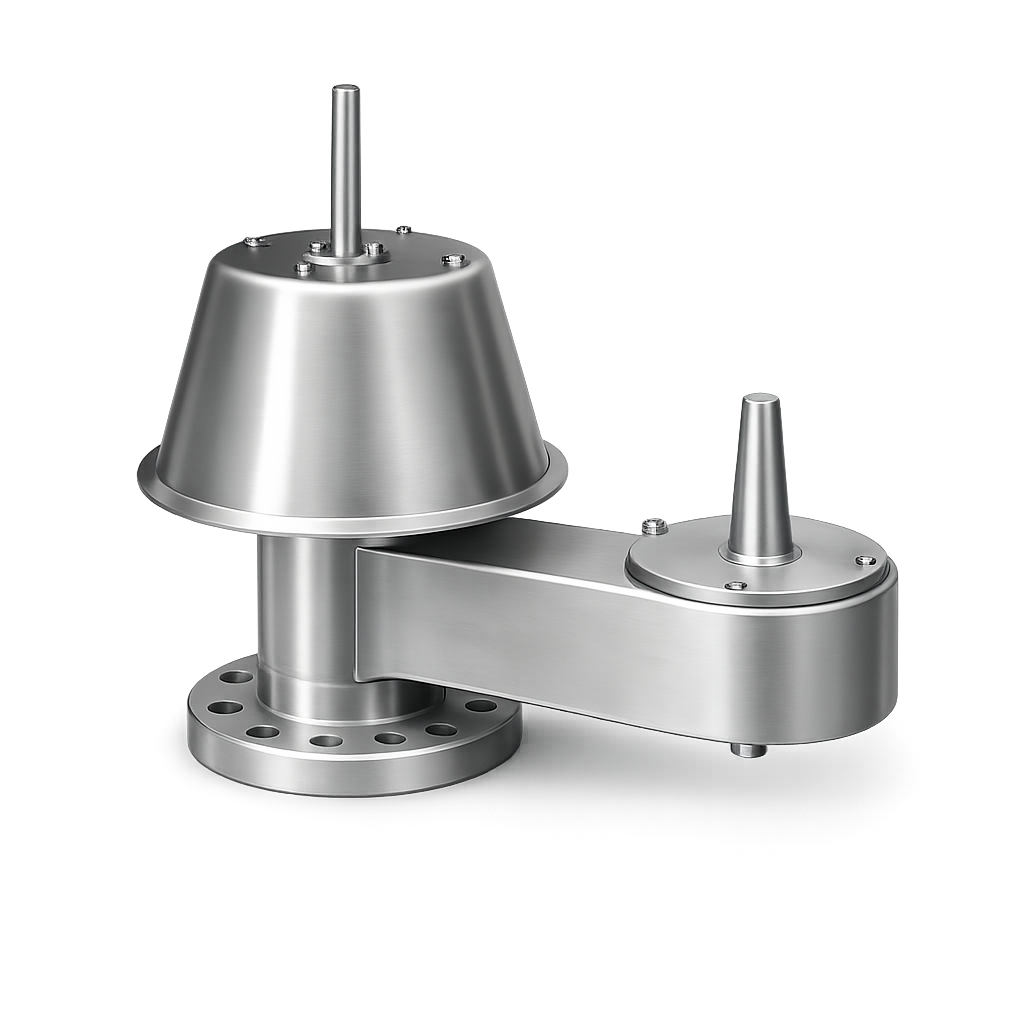
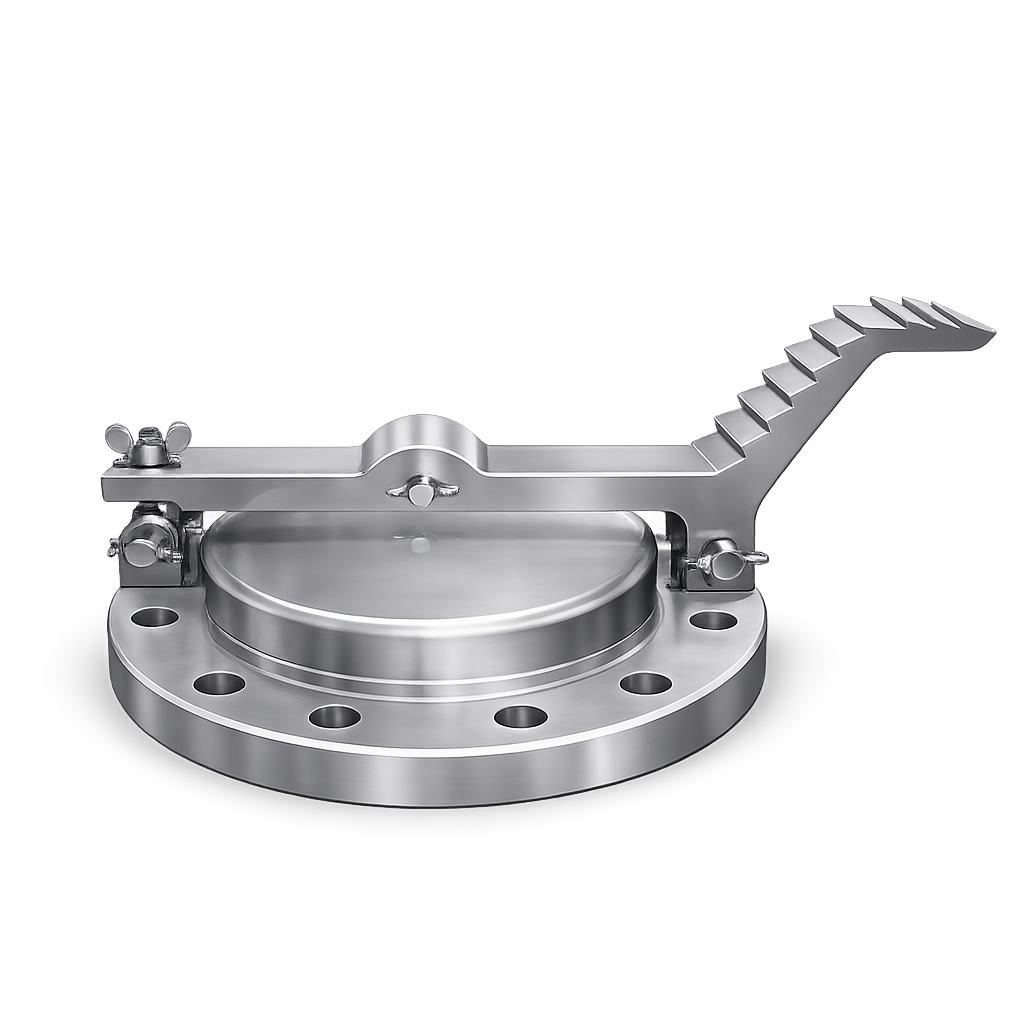
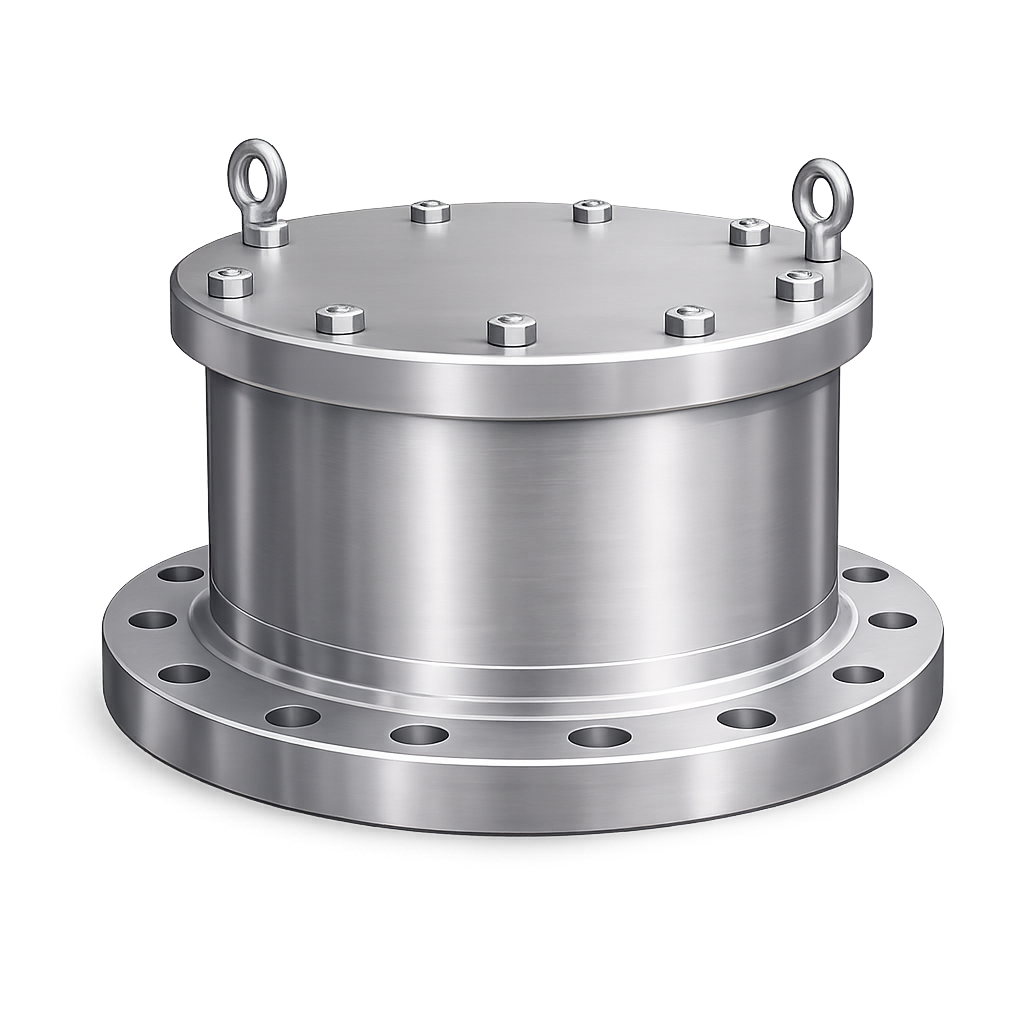
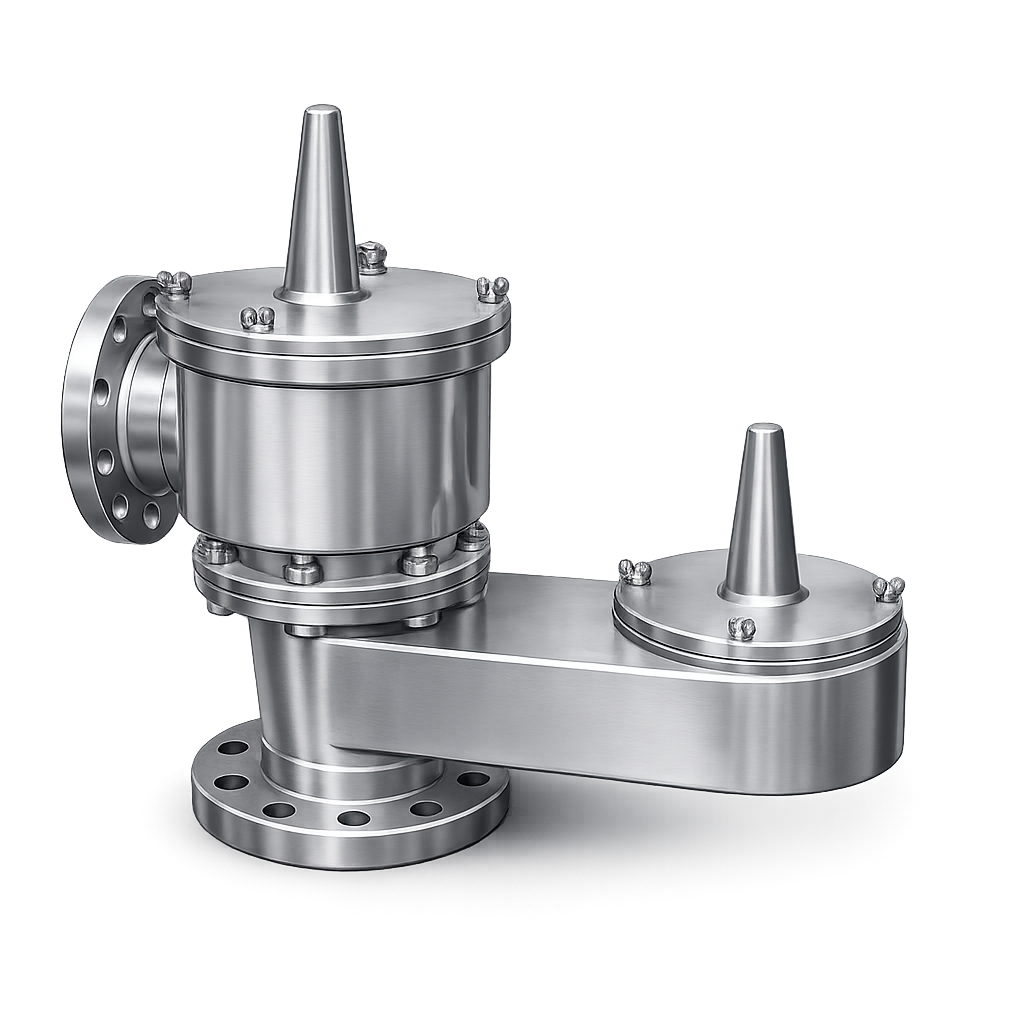
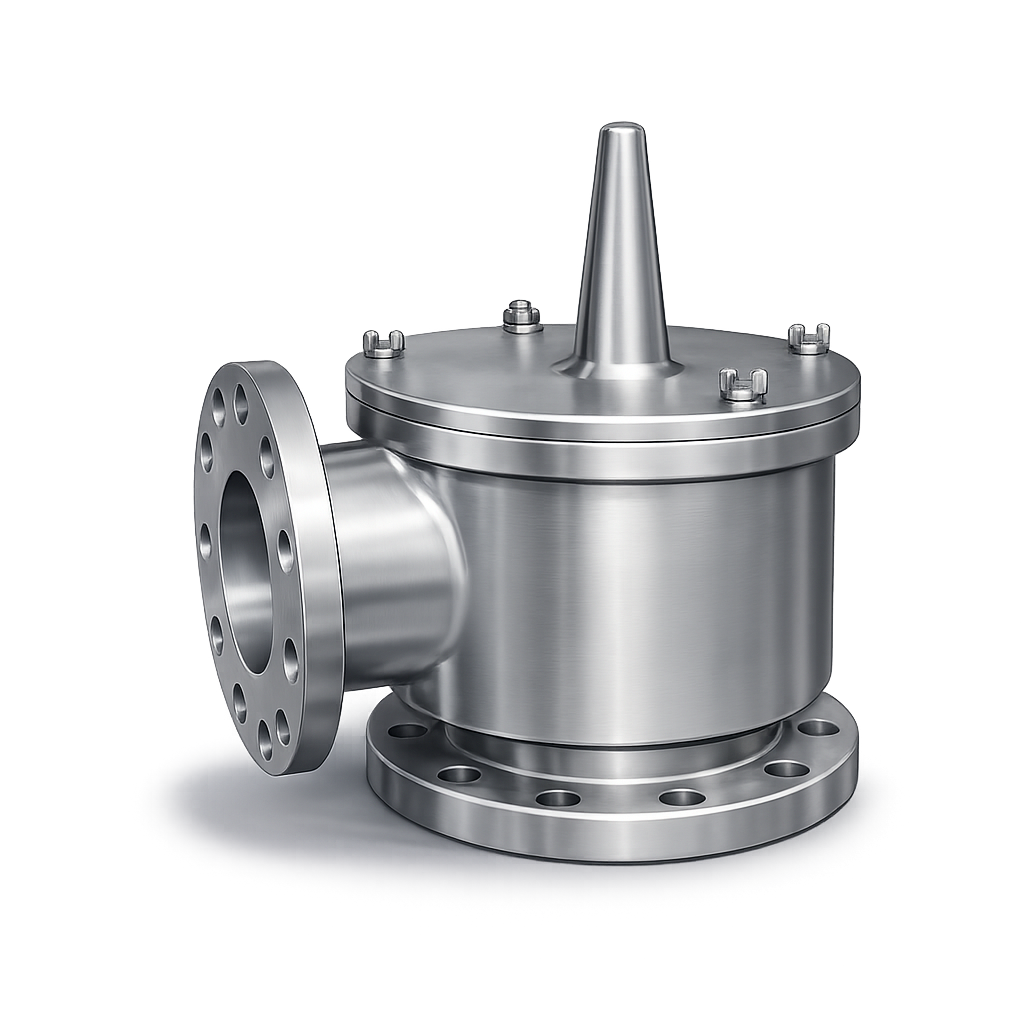
THERMOPLASTIC VACUUM RELIEF VALVE

EF995
  • Thermoplastic vacuum protection for chemical and water-treatment tanks
  • Approximate opening vacuum of 0.05 bar with DN65 and DN80 sizes
  • PVC-U solvent-cement or PP fusion-weld socket union construction
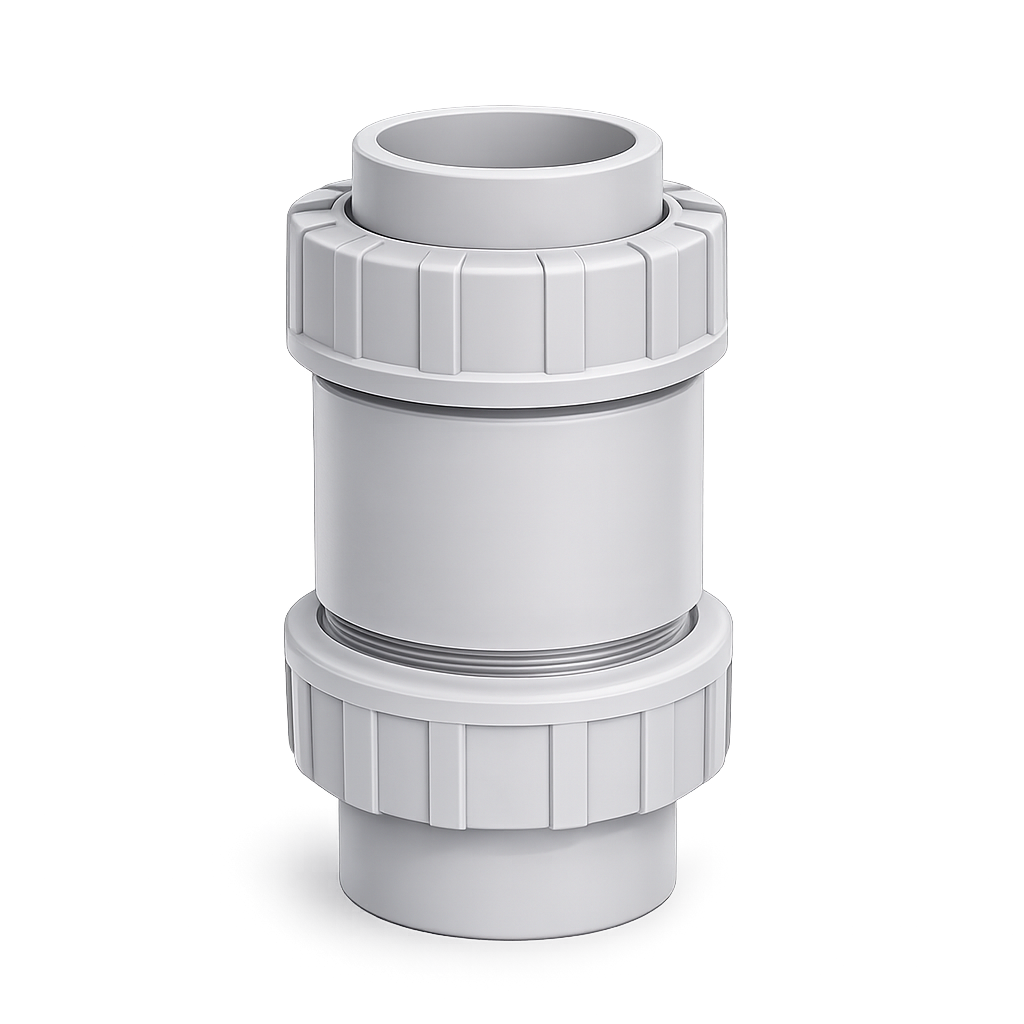
EF995 thermoplastic vacuum relief valve for chemical and water-treatment tanks

Applications

Configured Service Scope
Chemical
Chemical Processing
Corrosive Service
Storage Tanks
Water
Water Treatment

Key Specifications

NOMINAL SIZES2 1/2" and 3" (DN65 and DN80)
OPENING VACUUMApprox. 0.05 bar (50 mbar), service-dependent
PRESSURE RATINGPN10 for water at 20°C; allowable pressure depends on material and temperature
BODY MATERIALSPVC-U / PP
CONNECTIONSPVC-U solvent-cement socket union / PP fusion-weld socket union, DIN ISO
WETTED COMPONENTSPP float / FPM O-rings / ECTFE-coated steel spring
INSTALLATIONVertical only; observe UP marking

Selection & RFQ Assistant

Help us identify the right solution
Guided request

Build a technical RFQ line with service data, sizing conditions, accessories and documents.

01
Service
02
Process
03
Options

FAQs

EF995 admits air or a protective gas into a tank when internal pressure falls during liquid withdrawal, cooling or another vacuum-forming condition. This controlled in-breathing helps protect the vessel against structural damage caused by excessive vacuum.
A vacuum relief valve such as the EF995 provides vacuum protection only. A pressure-vacuum relief valve provides both positive-pressure and vacuum relief functions. If the tank also requires positive-pressure protection, a separate or combined pressure-relief solution must be considered.
The published opening vacuum is approximately 0.05 bar, equivalent to 50 mbar. Actual behaviour depends on temperature, system pressure, medium properties and contamination or crystallisation, so the operating case must be reviewed.
The published range comprises DN65 and DN80, equivalent to 2 1/2 and 3 inches. PVC-U versions use d75 and d90 socket unions respectively, and PP versions follow the same nominal-size range.

ABOUT EF995

The EF995 thermoplastic vacuum relief valve admits air or a protective gas into industrial tanks and vessels when liquid withdrawal, cooling or another operating condition creates an internal vacuum. As vessel pressure falls, the differential pressure overcomes the spring force and opens the float element, providing controlled in-breathing to help protect the equipment against vacuum damage.

EF995 is intended for chemical plants, water-treatment systems and corrosive tank services handling technically clean neutral or aggressive liquids and gases. Wetted-material compatibility must be verified for the actual medium and operating temperature. PVC-U and polypropylene body configurations are available, both with a polypropylene float, FPM O-rings and an ECTFE-coated steel spring.

The published range covers DN65 and DN80 (2 1/2 and 3 inches). Nominal pressure is PN10 for water at 20°C, while permissible operating pressure depends on body material and temperature. The approximate opening vacuum is 0.05 bar (50 mbar); actual behaviour can vary with temperature, system pressure, medium and contamination or crystallisation.

PVC-U versions use DIN ISO solvent-cement socket union connections, while PP versions use DIN ISO fusion-weld socket union connections. The valve is medium operated and must be installed vertically, observing the UP marking, so the float and spring mechanism can function correctly.

EF995 provides vacuum protection only. It does not relieve positive pressure during vessel filling, so a separately sized pressure vent or other out-breathing device is required wherever the tank can be filled or pressurised. Media that may foul, adhere to or obstruct the float should be reviewed before selection.

Frequently Asked Questions

EF995 admits air or a protective gas into a tank when internal pressure falls during liquid withdrawal, cooling or another vacuum-forming condition. This controlled in-breathing helps protect the vessel against structural damage caused by excessive vacuum.
A vacuum relief valve such as the EF995 provides vacuum protection only. A pressure-vacuum relief valve provides both positive-pressure and vacuum relief functions. If the tank also requires positive-pressure protection, a separate or combined pressure-relief solution must be considered.
The published opening vacuum is approximately 0.05 bar, equivalent to 50 mbar. Actual behaviour depends on temperature, system pressure, medium properties and contamination or crystallisation, so the operating case must be reviewed.
The published range comprises DN65 and DN80, equivalent to 2 1/2 and 3 inches. PVC-U versions use d75 and d90 socket unions respectively, and PP versions follow the same nominal-size range.
The body is available in PVC-U or polypropylene. The float is polypropylene, the O-rings are FPM and the steel spring is coated with ECTFE. Compatibility must be checked for the process medium, temperature and expected service life.
PVC-U configurations use DIN ISO solvent-cement socket union connections. PP configurations use DIN ISO fusion-weld socket union connections, providing a thermoplastic connection matched to the selected body material.
No. The valve must be mounted vertically and the UP marking must be observed. Its float and spring mechanism depends on the specified orientation for reliable opening and closing.
The valve is intended for technically clean media. Services that can create deposits, adhesion or crystallisation may obstruct the float and prevent reliable opening or closing, so they require a detailed compatibility and fouling review.
Yes. Liquid withdrawal is one of the operating conditions that can create vacuum inside a tank. The required vacuum opening point and in-breathing capacity should be based on the actual tank-emptying conditions.
A thermoplastic vacuum relief valve can be considered where the chemical compatibility of the available non-metallic materials makes them appropriate for the service. The final choice should consider chemical compatibility, temperature, mechanical requirements and project specifications.
The valve must admit sufficient air or protective gas to prevent the tank vacuum from exceeding its allowable limit during the relevant operating case. Valve selection should therefore consider both the vacuum setting and the required in-breathing flow.
Provide the fluid and composition, operating temperature, maximum operating pressure, vacuum-forming scenario, tank allowable vacuum, required opening point, required in-breathing capacity, nominal size, preferred PVC-U or PP construction, connection details and any chemical-compatibility or documentation requirements.
Yes. The EF995 can be considered for EPC and project-managed applications where vacuum setting, in-breathing capacity, material, connections, chemical compatibility and documentation requirements are defined during the RFQ stage.