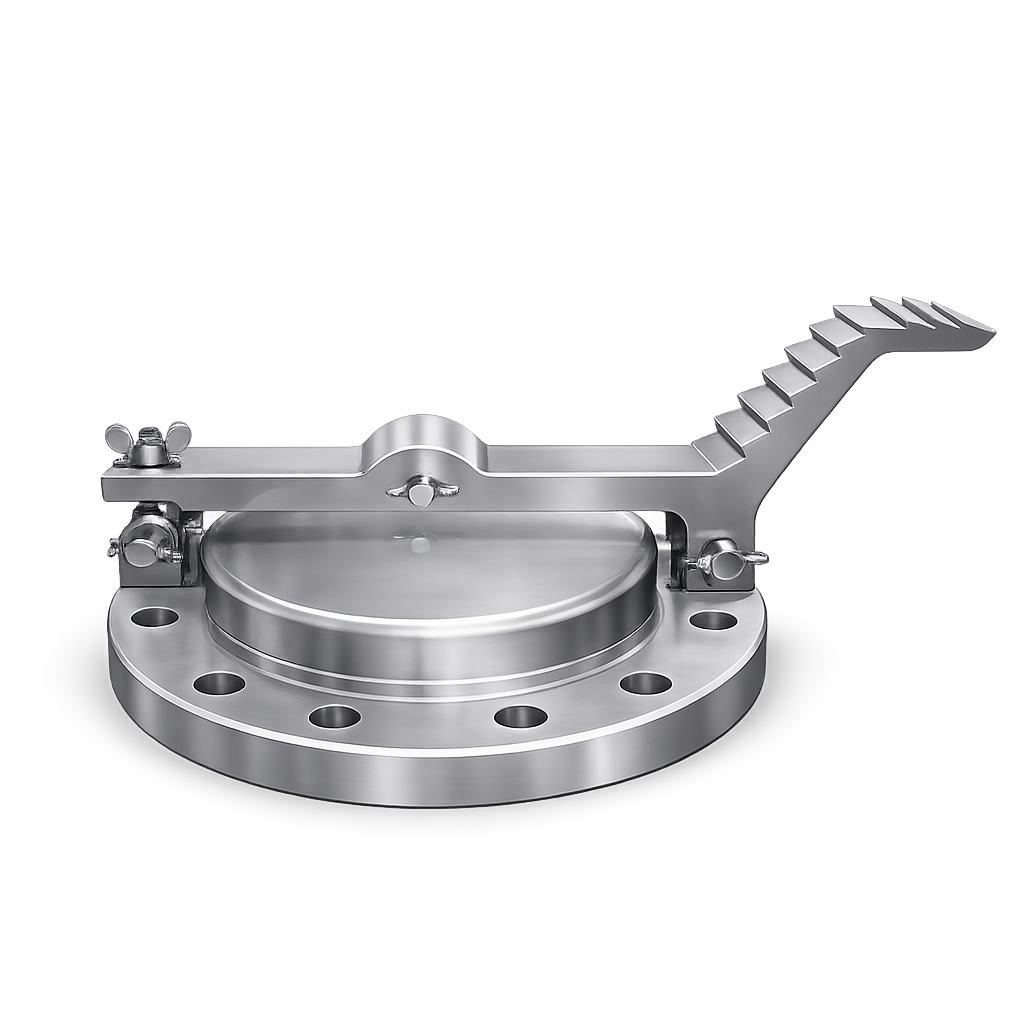
FLOAT BALL AIR RELEASE VALVE

EFB17
  • Controlled air release during filling and air admission during draining
  • AISI 316 stainless steel construction for fresh-water and seawater pipelines
  • Nominal sizes from 1/2 to 8 inches with settings from 22 to 8,400 mmH2O
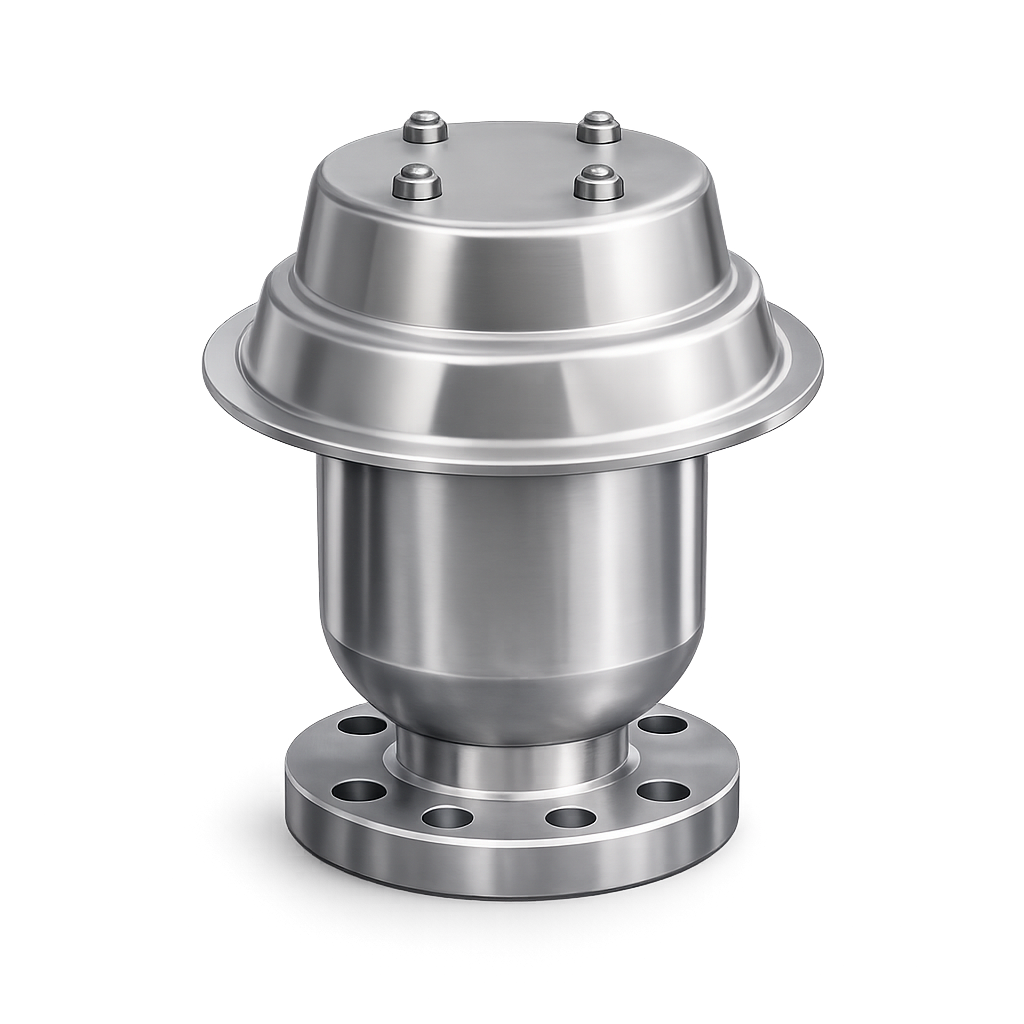
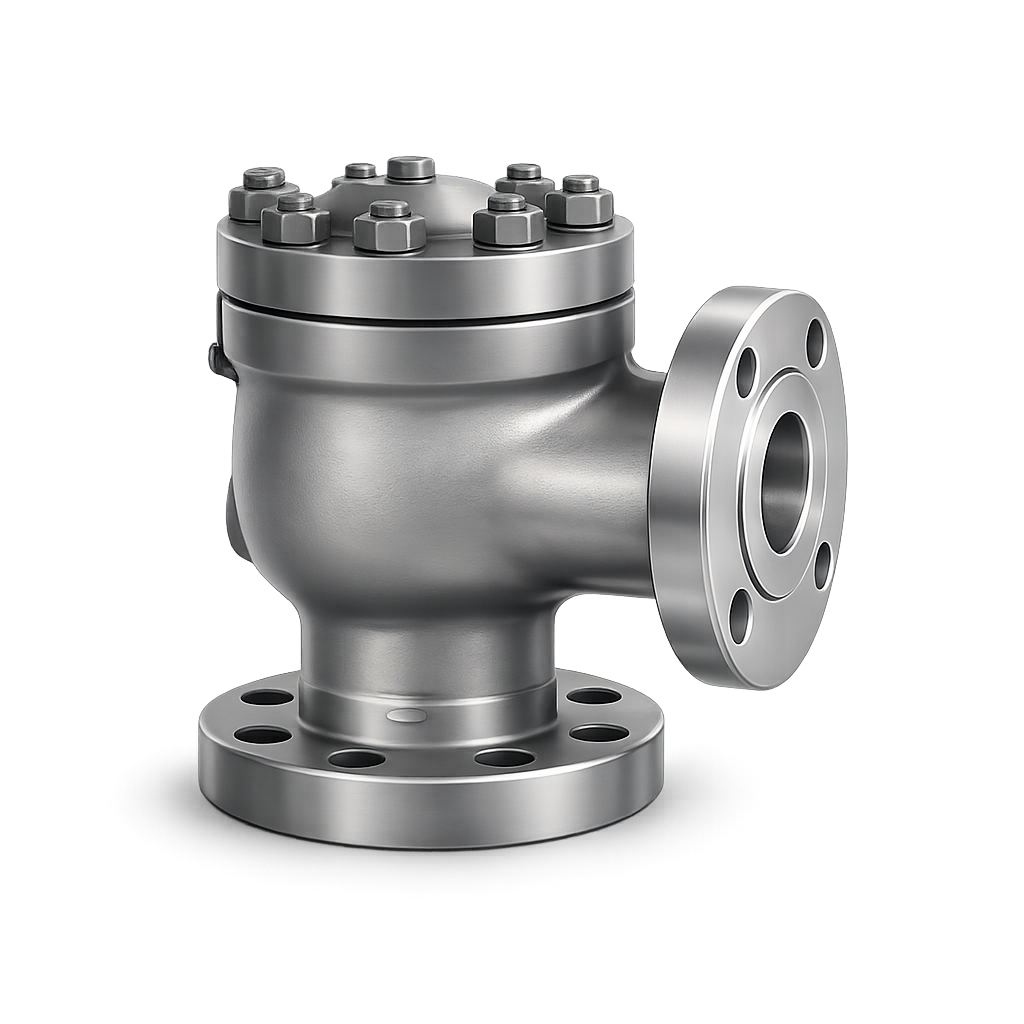
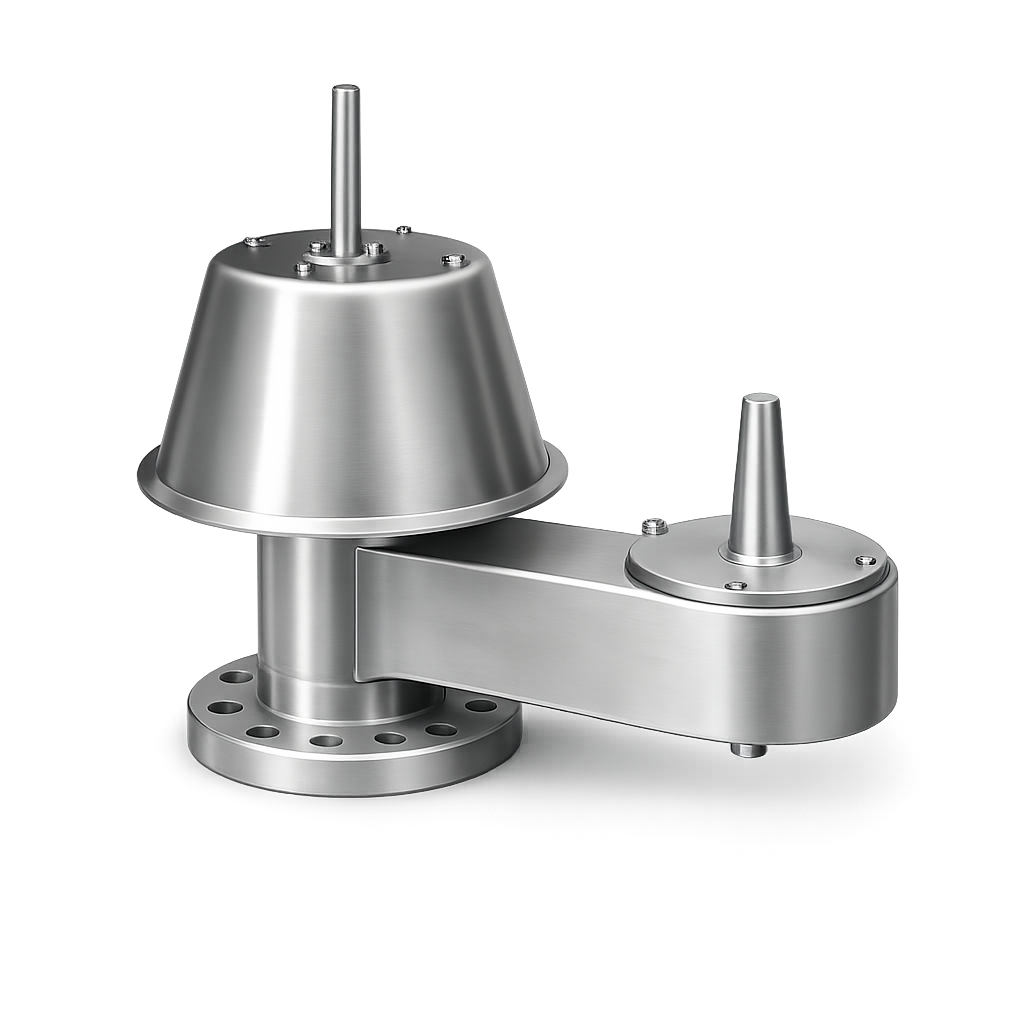
EFSVALVES EFB17 end-of-line stainless steel air release valve

Applications

Configured Service Scope
Seawater / Desalination
Water
Water Treatment

Key Specifications

NOMINAL SIZES1/2" to 8" (DN15 to DN200)
PRESSURE SETTING RANGE22 to 8,400 mmH2O (approx. 2.2 to 824 mbar)
BODY & INTERNALSStainless Steel AISI 316 / EN 1.4408
GASKETBuna
CONFIGURATIONSEnd of line / In line
CONNECTIONSFlanged inlet; atmospheric or flanged outlet depending on configuration

Selection & RFQ Assistant

Help us identify the right solution
Guided request

Build a technical RFQ line with service data, sizing conditions, accessories and documents.

01
Service
02
Process
03
Options

FAQs

The EFB17 manages air in liquid pipelines. It releases displaced or trapped air during filling and pressurised operation, and admits atmospheric air during draining to help prevent excessive vacuum and pipeline damage.
The stainless steel float responds to the liquid level inside the valve. It allows air to pass while the pipeline is filling or draining and closes the valve as liquid reaches the operating level, limiting unwanted liquid discharge.
An air release valve is generally used to discharge accumulated air from a pressurised pipeline. An air/vacuum valve discharges larger volumes of air during filling and admits air during draining or vacuum conditions. The EFB17 combines these functions, releasing displaced and accumulated air while also allowing air admission during draining.
Controlled air movement helps reduce surge, water hammer, vacuum conditions and liquid overflow. Removing trapped compressed air can also reduce the additional pumping head and energy consumption caused by air pockets.

ABOUT EFB17

The EFB17 stainless steel air release valve is a float-ball valve developed for controlled air release and air admission in liquid pipelines. During pipeline filling, it evacuates displaced atmospheric air ahead of the incoming liquid; during draining, it admits air to replace the outgoing liquid and helps prevent damaging internal vacuum.

Effective air management helps reduce surge, water hammer and liquid overflow while improving pipeline filling and draining behaviour. The EFB17 also releases accumulated air pockets from pressurised systems, helping avoid the additional pumping head and energy consumption associated with trapped compressed air.

The EFB17 is available in an end-of-line configuration with an atmospheric outlet and an inline configuration with a flanged outlet. Nominal sizes range from 1/2 to 8 inches (DN15 to DN200). The published pressure-setting range is 22 to 8,400 mmH2O, approximately 2.2 to 824 mbar. Body, cover, guide, float and internal metallic parts are manufactured in AISI 316 stainless steel / EN 1.4408, with a Buna gasket.

Typical duties include fresh-water, seawater and water-treatment pipelines. Required venting capacity depends on pipeline size and profile, filling and draining rates, operating conditions and temperature. API 2000 is referenced in the datasheet as a methodology for determining venting requirements; final valve sizing, location and flange compatibility should be confirmed against the actual project data.

Frequently Asked Questions

The EFB17 manages air in liquid pipelines. It releases displaced or trapped air during filling and pressurised operation, and admits atmospheric air during draining to help prevent excessive vacuum and pipeline damage.
The stainless steel float responds to the liquid level inside the valve. It allows air to pass while the pipeline is filling or draining and closes the valve as liquid reaches the operating level, limiting unwanted liquid discharge.
An air release valve is generally used to discharge accumulated air from a pressurised pipeline. An air/vacuum valve discharges larger volumes of air during filling and admits air during draining or vacuum conditions. The EFB17 combines these functions, releasing displaced and accumulated air while also allowing air admission during draining.
Controlled air movement helps reduce surge, water hammer, vacuum conditions and liquid overflow. Removing trapped compressed air can also reduce the additional pumping head and energy consumption caused by air pockets.
The published range covers 1/2, 1, 1 1/2, 2, 3, 4, 6 and 8 inches, corresponding to DN15, DN25, DN40, DN50, DN80, DN100, DN150 and DN200.
The datasheet gives a pressure-setting range from 22 to 8,400 mmH2O, approximately 2.2 to 824 mbar. The required setting must be selected from the pipeline operating conditions and allowable vacuum or pressure limits.
The body, cover, guide, float and other metallic parts are specified in AISI 316 stainless steel, equivalent to EN 1.4408 for the cast components. The published gasket material is Buna.
The datasheet identifies fresh-water and seawater pipelines as intended applications. Final suitability should still be confirmed from water chemistry, salinity, temperature, operating pressure and project corrosion requirements.
Air valves are commonly considered where air can accumulate or vacuum may develop, such as pipeline high points, changes in elevation and locations associated with pumping or draining operations. The final location and number of valves should be determined from the actual pipeline profile and hydraulic operating conditions.
It can be considered in compatible water, seawater or water-treatment pipeline systems where air accumulation, air evacuation during filling or vacuum admission during draining must be managed. The required valve location, air capacity and setting should be determined from the actual hydraulic conditions.
During draining, replacement air must enter the pipeline fast enough to avoid excessive internal vacuum. The required air-admission capacity therefore depends on the draining rate and actual hydraulic conditions, not only on nominal valve size.
Selection requires the liquid and composition, pipeline size and profile, installation location, operating pressure and temperature, required opening setting, maximum filling and draining rates, calculated air capacity when available, flange requirements and project documentation needs.
Yes. The EFB17 can be considered for EPC and project-managed applications where pipeline conditions, filling and draining rates, required air capacity, pressure setting, flange requirements and project documentation are defined during the RFQ stage. Final sizing and configuration should be confirmed against the actual pipeline data.