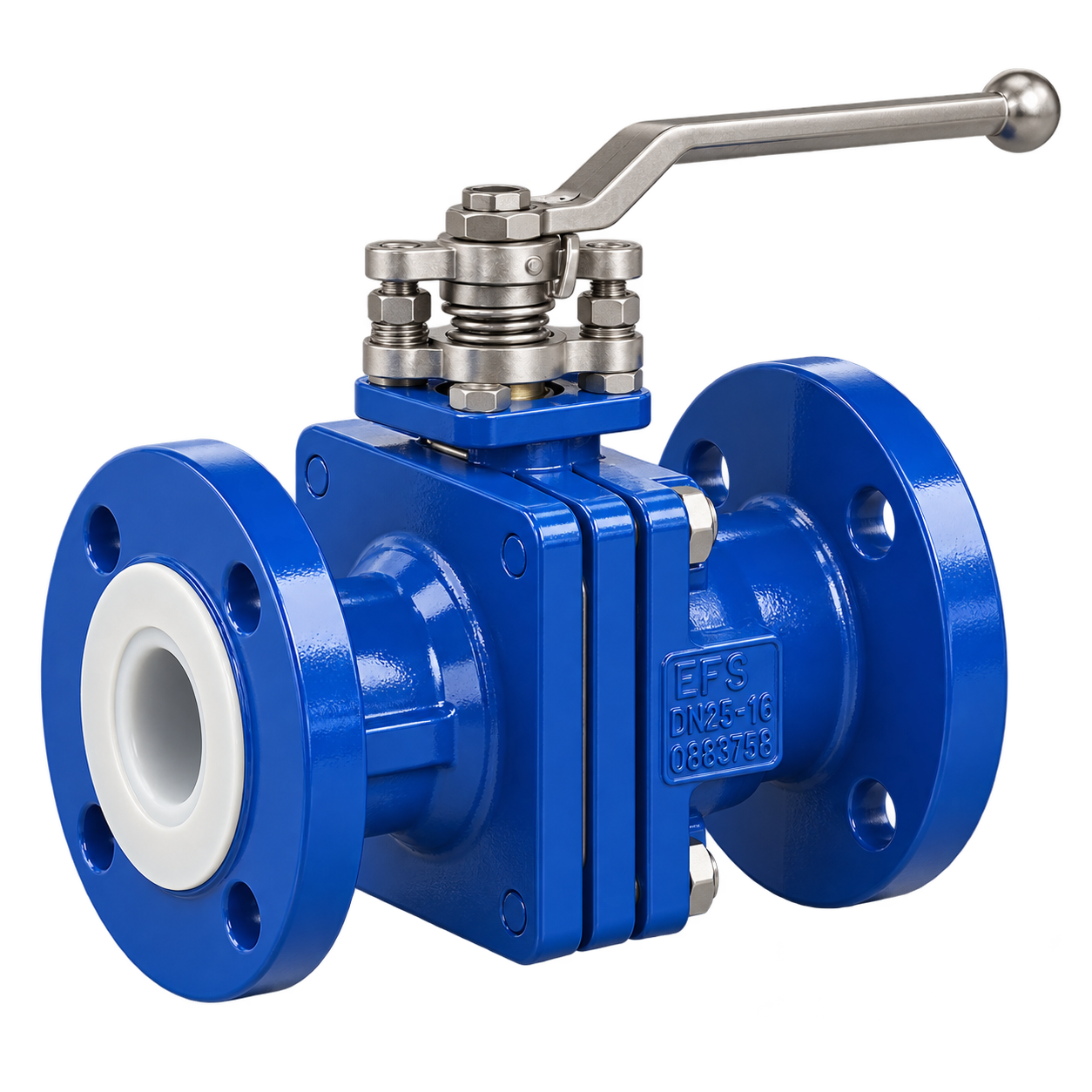
SLEEVE TYPE SOFT-SEALING PLUG VALVE

EF53
  • PTFE sleeve with 360-degree metal retention and self-cleaning plug action.
  • PN16, PN25, PN40 and PN64 configurations from DN15 to DN350.
  • Bidirectional, cavity-free flow path with manual or actuated operation options.
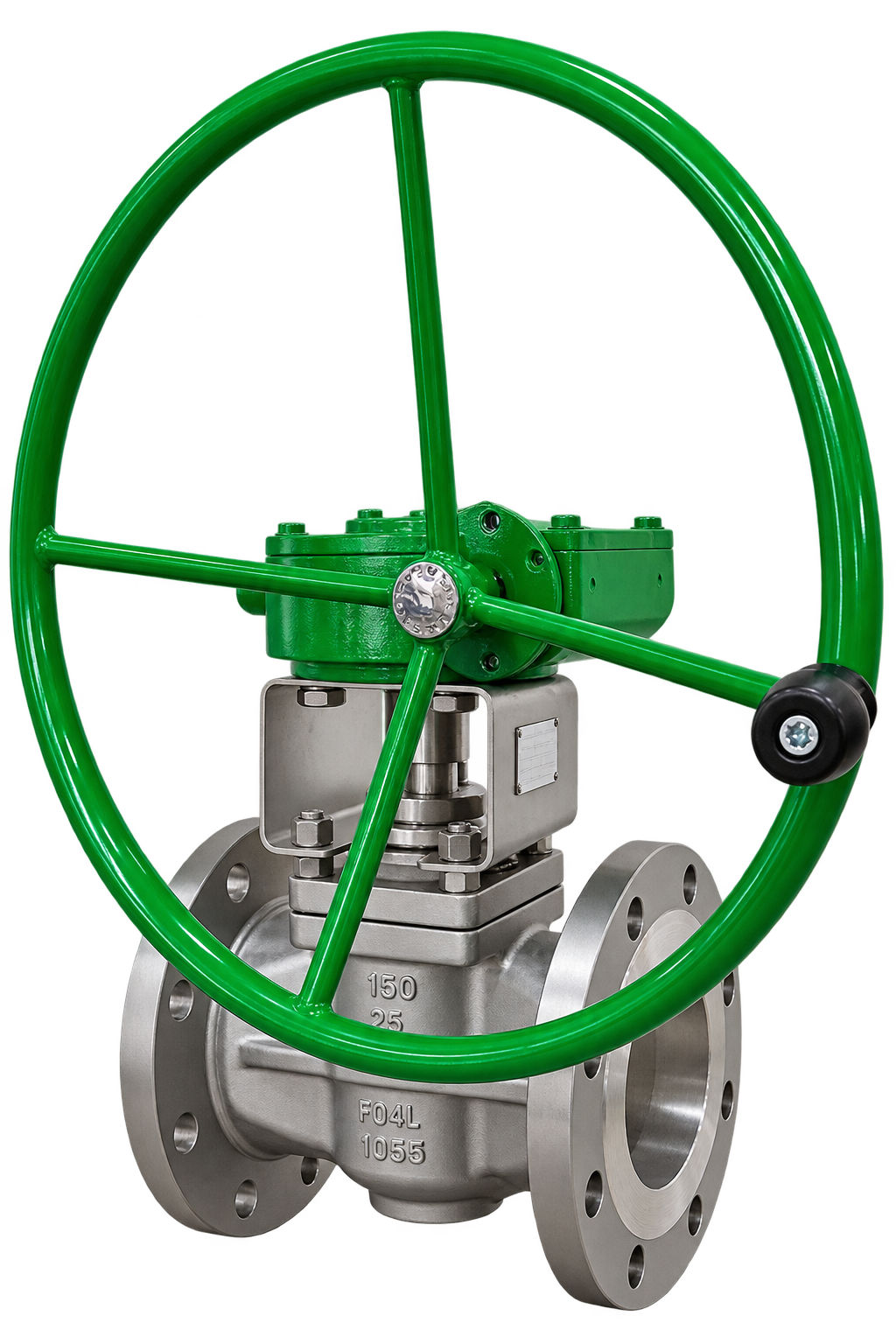
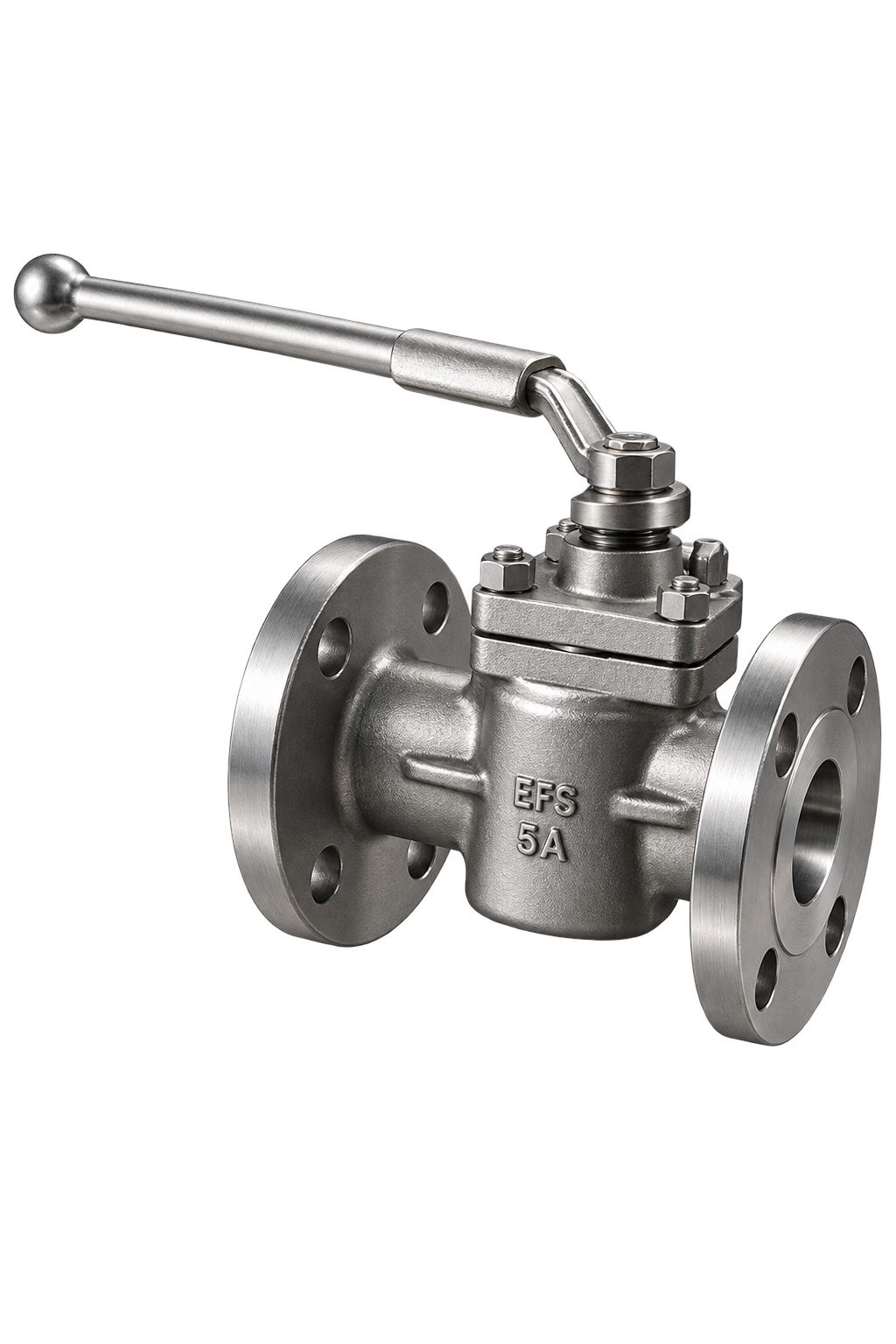
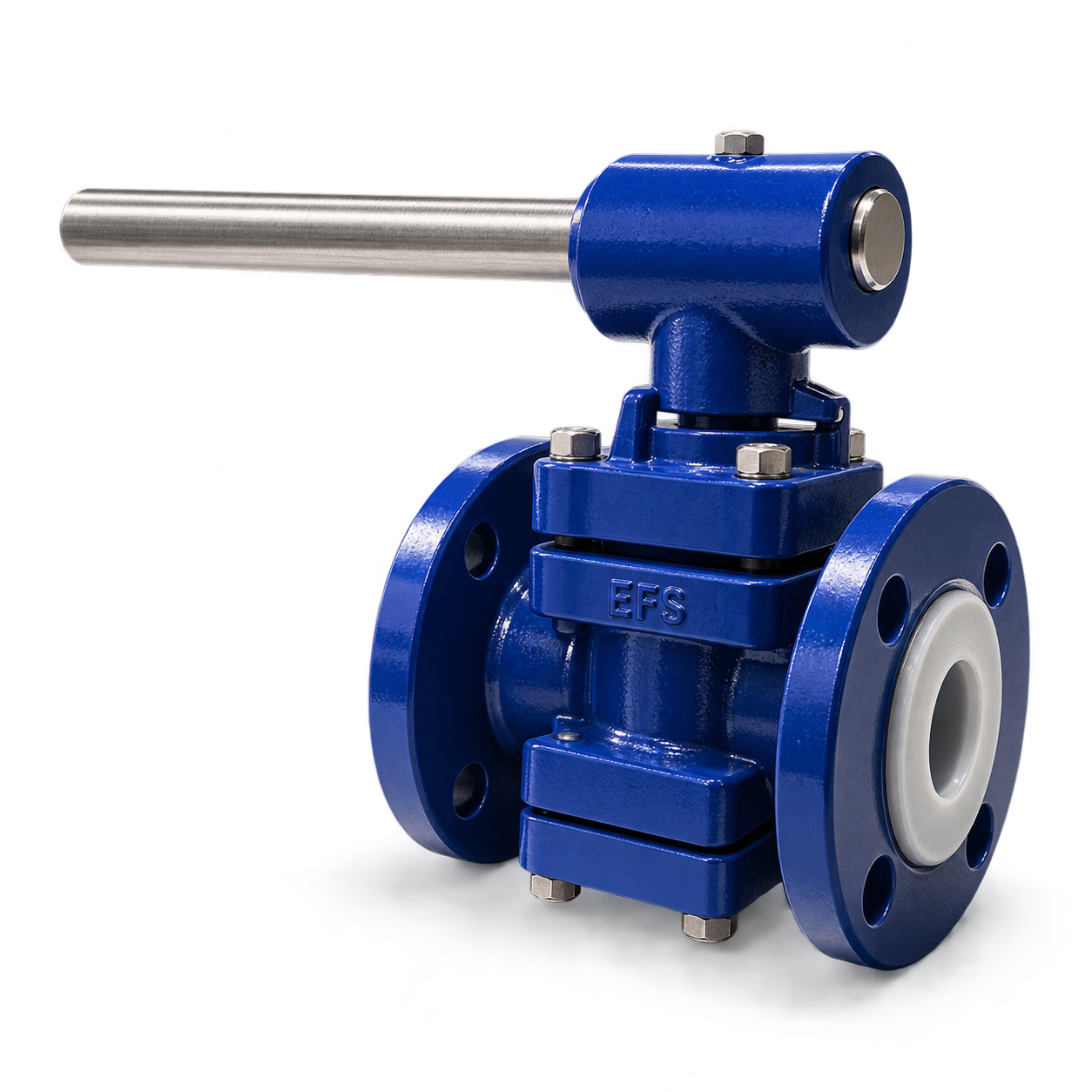
EFSVALVES EF44-25 DN150 PN25 sleeve type soft-sealing plug valve in 904L stainless steel with manual gear operator

Applications

Configured Service Scope
Chemical Processing
Corrosive Service
Oil & Gas
Petrochemical
Seawater / Desalination
Water Treatment

Key Specifications

NOMINAL SIZESDN15 to DN350
PRESSURE RATINGSPN16 / PN25 / PN40 / PN64
TEMPERATURE RANGE-29 °C to +180 °C
DESIGN STANDARDAPI 599 / API 6D
FACE TO FACEDIN 3202 F1
SLEEVEPTFE
OPERATIONWrench / handwheel / worm gear / pneumatic / electric

Selection & RFQ Assistant

Help us identify the right solution
Guided request

Build a technical RFQ line with service data, sizing conditions, accessories and documents.

01
Service
02
Process
03
Options

FAQs

A PTFE sleeve plug valve is primarily used for on-off isolation in industrial process pipelines, particularly where reliable sealing and compatibility with demanding process media are required. The PTFE sleeve forms the sealing interface around the plug, while the quarter-turn design provides simple and robust operation. Final suitability depends on the actual fluid, concentration where relevant, pressure, temperature and selected valve materials.
A cavity-free plug valve is designed to minimize internal spaces where process media can accumulate or remain trapped. In the EF53 sleeve-type design, the plug and PTFE sleeve arrangement reduces internal cavities compared with valve constructions that contain larger enclosed spaces around the closure element. This can be particularly useful where deposits, residues or product accumulation are a concern.
Reducing internal cavities helps limit areas where aggressive media, solids or residues may remain trapped inside the valve. This characteristic can be useful in chemical process applications where product accumulation could affect operation, cleaning or long-term valve performance. Final suitability still depends on the specific fluid and operating conditions.
As the plug rotates, the interaction between the plug and sleeve provides a wiping action across the sealing surfaces. This helps reduce the tendency for process media or deposits to remain on the sealing interface during valve operation. The effectiveness of this feature depends on the characteristics of the fluid and the actual service conditions.

ABOUT EF53

The EF53 DIN sleeve type soft-sealing plug valve is a two-way flanged valve intended for industrial process isolation. Its PTFE sleeve forms the sealing interface, while a 360-degree metal retaining edge secures the sleeve and supports self-cleaning action as the plug rotates.

The design has no internal cavity intended to collect process medium and supports bidirectional flow. The supplied catalogue covers DN15 to DN350 in PN16, PN25, PN40 and PN64 configurations, with a stated working-temperature range from -29 °C to 180 °C for services including water, steam, oil and gas.

Design references include API 599 and API 6D, with DIN 3202 F1 face-to-face dimensions, DIN 2543 to DIN 2549 flange ends and DIN 3230 inspection and testing. Material and operator configurations are selected according to the operating conditions and project requirements.

Frequently Asked Questions

A PTFE sleeve plug valve is primarily used for on-off isolation in industrial process pipelines, particularly where reliable sealing and compatibility with demanding process media are required. The PTFE sleeve forms the sealing interface around the plug, while the quarter-turn design provides simple and robust operation. Final suitability depends on the actual fluid, concentration where relevant, pressure, temperature and selected valve materials.
A cavity-free plug valve is designed to minimize internal spaces where process media can accumulate or remain trapped. In the EF53 sleeve-type design, the plug and PTFE sleeve arrangement reduces internal cavities compared with valve constructions that contain larger enclosed spaces around the closure element. This can be particularly useful where deposits, residues or product accumulation are a concern.
Reducing internal cavities helps limit areas where aggressive media, solids or residues may remain trapped inside the valve. This characteristic can be useful in chemical process applications where product accumulation could affect operation, cleaning or long-term valve performance. Final suitability still depends on the specific fluid and operating conditions.
As the plug rotates, the interaction between the plug and sleeve provides a wiping action across the sealing surfaces. This helps reduce the tendency for process media or deposits to remain on the sealing interface during valve operation. The effectiveness of this feature depends on the characteristics of the fluid and the actual service conditions.
Yes. The EF53 sleeve-type design allows bidirectional flow, providing flexibility in piping systems where the flow direction may vary or where isolation is required in both directions. Where bidirectional operation is a specific project requirement, it should still be identified during valve selection.
PTFE combines low friction and broad chemical resistance, making it well suited to the sealing function of a sleeve plug valve. The PTFE sleeve surrounds the plug and provides the main sealing interface while allowing quarter-turn operation. Its chemical resistance makes this design particularly relevant for many chemical and industrial process applications.
A sleeve plug valve may be considered where the application benefits from characteristics such as reduced internal cavities, continuous sealing around the plug and wiping action during operation. A ball valve remains suitable for many isolation duties, so neither design should be considered universally superior. Selection should be based on the fluid, operating conditions, sealing requirements, potential for product accumulation and project specifications.
The EF53 can be considered for corrosive chemical applications when the PTFE sleeve and selected metallic materials are compatible with the process medium. The actual fluid, concentration, temperature and pressure should therefore be reviewed before confirming the appropriate valve configuration.
Yes. Sleeve-type plug valves are used in chemical processing and fertilizer applications, where reliable isolation and resistance to demanding process media can be important. Suitability must still be evaluated against the actual process fluid, concentration, pressure, temperature and selected valve materials.
The EF53 is available in documented DIN / PN pressure ratings of PN16, PN25, PN40 and PN64, depending on valve size and execution. The required PN rating should be selected according to the piping specification, design pressure, design temperature and project requirements. Availability should always be confirmed for the required size and configuration.
Yes. The EF53 can be operated manually or configured with pneumatic or electric actuation. Actuator selection depends on valve size, operating conditions, required operating mode and the control requirements of the installation.
Both products use a sleeve-type soft-sealing plug valve concept, but they are intended for different piping standards. The EF52 is based on ANSI / ASME pressure classes, while the EF53 is based on DIN / PN pressure ratings. Final selection also depends on valve size, pressure, temperature, materials and the applicable piping specification.
The main information normally required includes: - Process fluid - Fluid concentration or composition where relevant - Operating and design pressure - Operating and design temperature - Valve size - Required PN rating - Material requirements - Required end connection - Manual or automated operation - Applicable project specifications For project applications, inspection, testing and documentation requirements should also be identified during the RFQ stage.
Delivery time depends on the valve size, PN rating, material, quantity, configuration and project requirements. Special configurations, automated executions or project-specific testing and documentation requirements may require additional manufacturing time. The applicable delivery time is confirmed with each quotation.
Yes. Logistics and international delivery can be coordinated according to project requirements, including packing, transport coordination and export documentation where required.
Yes. Inspection before delivery can be arranged according to project specifications, applicable standards and customer requirements.
Yes. The EF53 can be supplied within EPC and project-managed environments where engineering, quality, inspection and documentation requirements form part of the agreed supply scope. Project-specific requirements should preferably be identified during the RFQ stage so that their applicability and scope can be evaluated before order.
The documentation package can be adapted to the agreed project requirements and may include technical data sheets, material documentation, pressure test certificates, inspection records and dimensional documentation, depending on the defined scope. Where additional traceability, PMI, NDT or project-specific documentation is required, it should be identified during the RFQ stage so that its applicability can be evaluated before being included in the supply scope.