Exotic alloy ball valves are used when standard carbon steel or conventional stainless steel solutions are no longer suitable for the service. In corrosive and demanding industrial environments, valve selection must consider much more than connection size or operating pressure alone.
The final choice depends on process media, corrosion severity, pressure and temperature conditions, maintenance requirements and the level of operational reliability expected from the installation.
Need support reviewing a real application? Our engineering team can help define the right valve materials and configuration for corrosive, high-pressure and critical service conditions.
Why material selection matters in ball valves
A ball valve may look mechanically simple, but in severe service the correct material selection is what determines whether the valve remains reliable over time. Aggressive media, chloride exposure, contaminated fluids, temperature variations and demanding cycling conditions can all reduce valve life if the material grade is not aligned with the real process environment.
That is why selecting a corrosion resistant ball valve is not only about corrosion allowance. It is also about maintaining tight shut-off, preserving seat performance, avoiding premature damage to wetted parts and ensuring the valve can still be operated safely after extended service.
When standard stainless steel is not enough
In many industrial installations, stainless steel is a suitable baseline material. However, there are services where standard grades may not offer sufficient resistance against chlorides, pitting, crevice corrosion or highly aggressive chemicals.
Typical examples include seawater systems, desalination plants, chemical processing units, oil & gas applications and other process environments where long-term integrity is critical. In those cases, engineered valves in Super Duplex, Hastelloy, Titanium and other advanced alloys become a more reliable solution.
Super Duplex vs Hastelloy vs Titanium
One of the key engineering questions is which alloy family is best suited to the actual service.
- Super Duplex is often selected for high-strength corrosive service, especially in chloride-rich environments where resistance to pitting and stress corrosion cracking is important.
- Hastelloy is commonly considered for highly aggressive chemical media where broad corrosion resistance is needed across demanding process conditions.
- Titanium is frequently evaluated for severe seawater, desalination and highly corrosive services where exceptional corrosion resistance is required.
The correct decision still depends on the actual fluid composition, temperature, contaminants, pressure conditions and expected valve duty. Material selection should never be reduced to a generic rule.
Why 3-piece ball valves are preferred in critical service
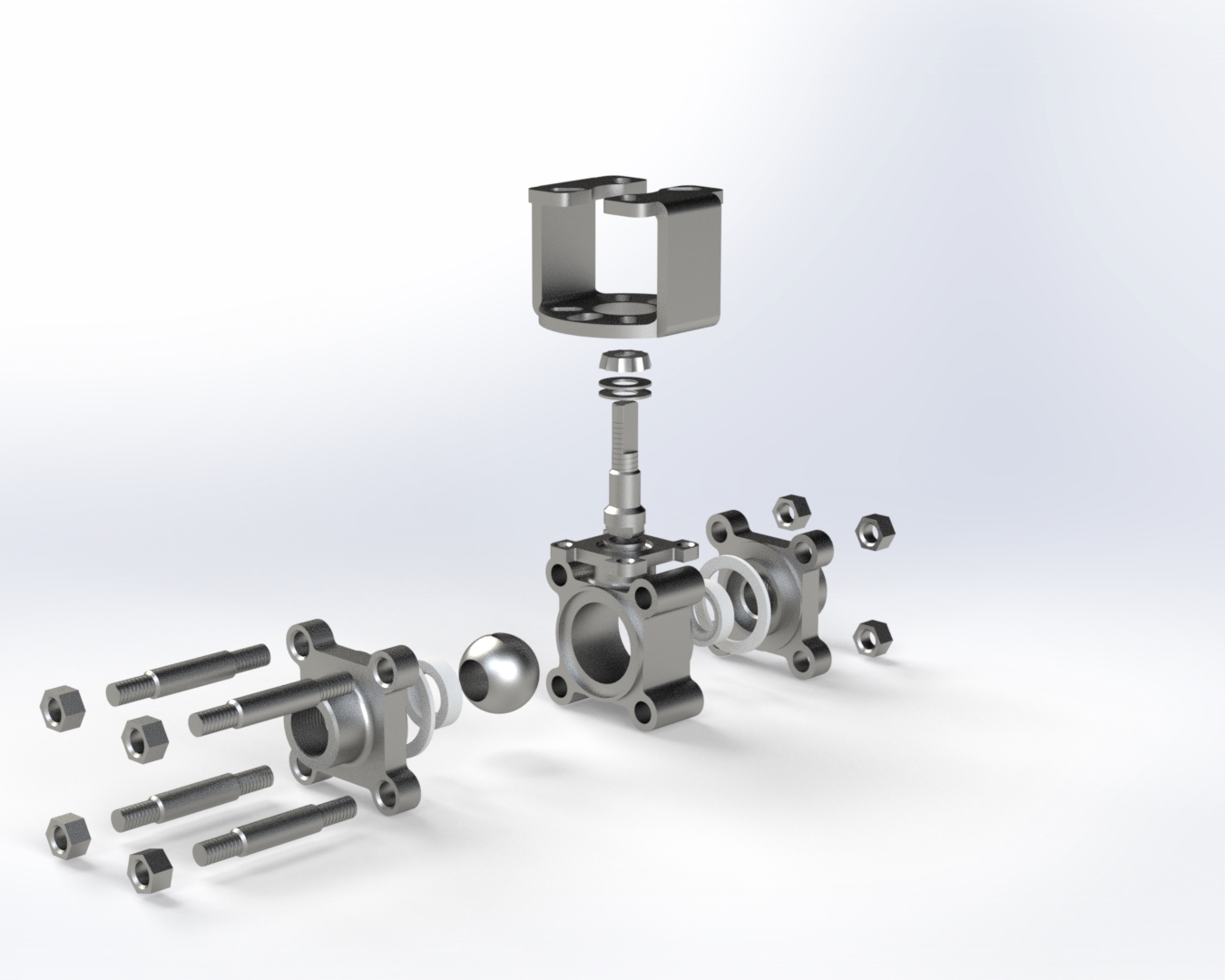
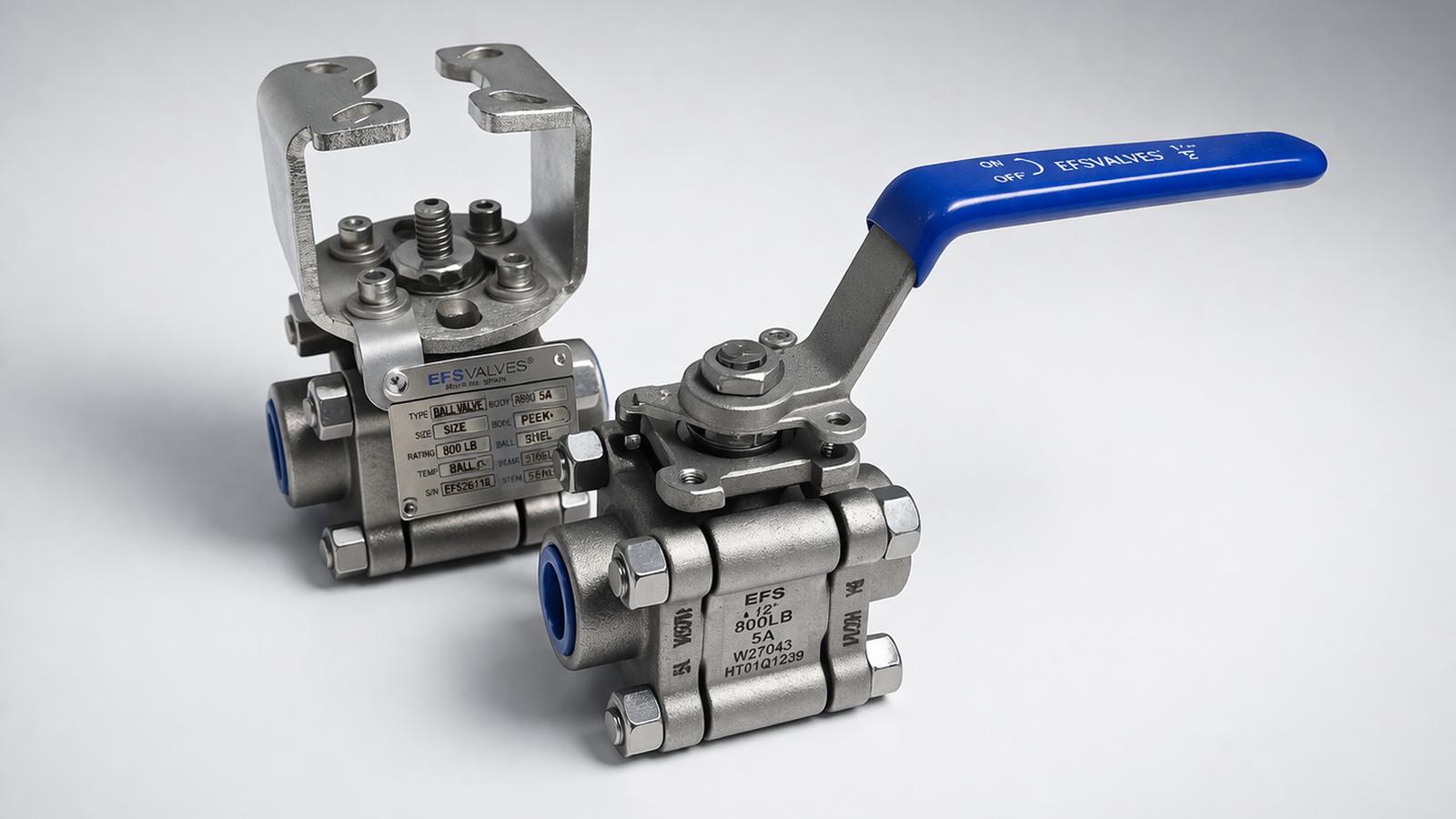
For many demanding applications, a 3 piece ball valve offers a practical advantage over simpler body designs. The split body construction allows easier maintenance and in-line serviceability, helping reduce downtime when inspection or replacement of internal components is required.
That becomes especially relevant in installations where maintenance access matters and where operators want to preserve the welded or threaded line connection while servicing the valve internals. Combined with a full bore design, this format also supports good flow capacity with minimal pressure drop.
Which process inputs are needed to define the right valve
To correctly define an exotic alloy ball valve, the following inputs are typically required:
- Fluid type and process composition
- Corrosion risk, including chloride content or aggressive chemicals
- Operating pressure and pressure class
- Operating temperature and temperature range
- Connection type and line size
- Valve duty: isolation, throttling or frequent cycling
- Manual or actuated operation
- Applicable standards and project specifications
- Installation environment, including outdoor, marine or process plant exposure
If the service is critical, these inputs should be reviewed together. Focusing only on nominal size or pressure rating often leads to under-specified materials or impractical configurations.
Manual vs actuated configuration considerations
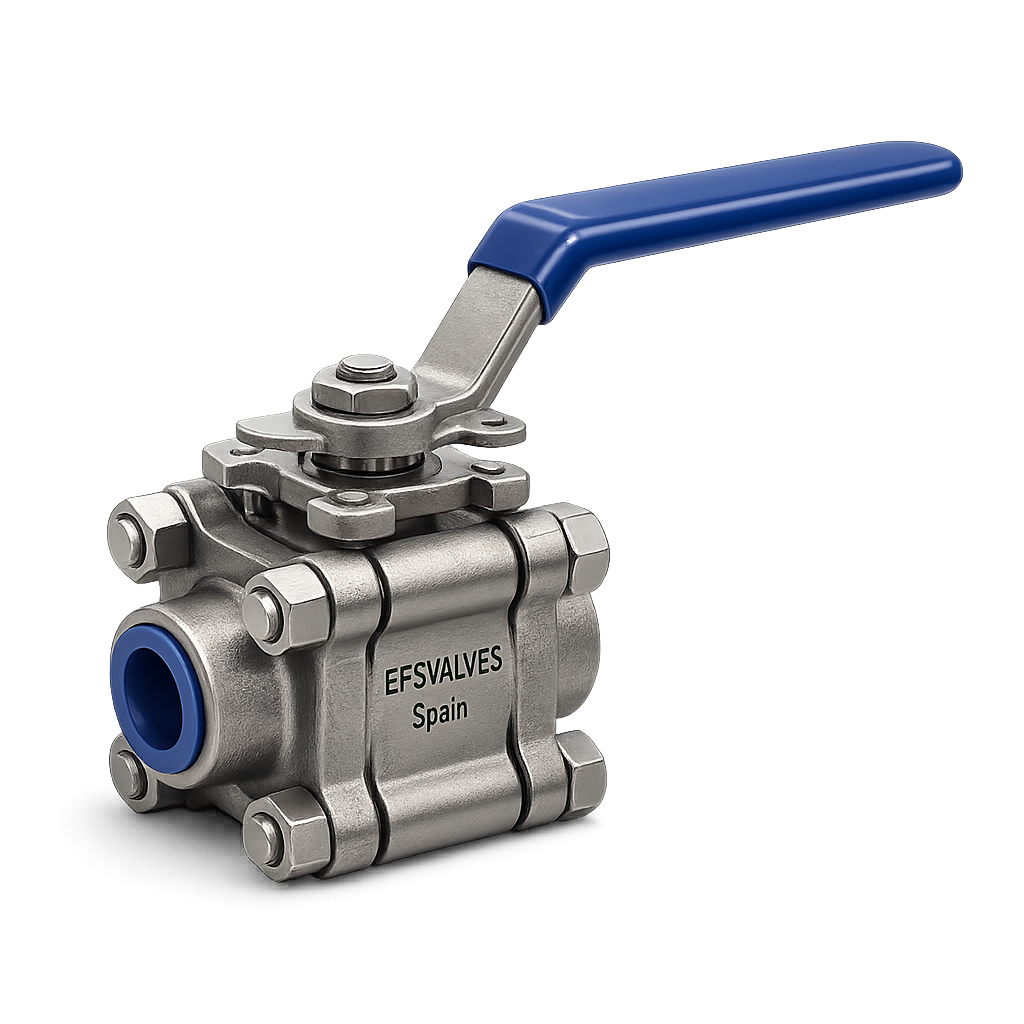
Manual configuration
Manual lever operation is often preferred where simplicity, local access and straightforward shut-off are the main priorities.
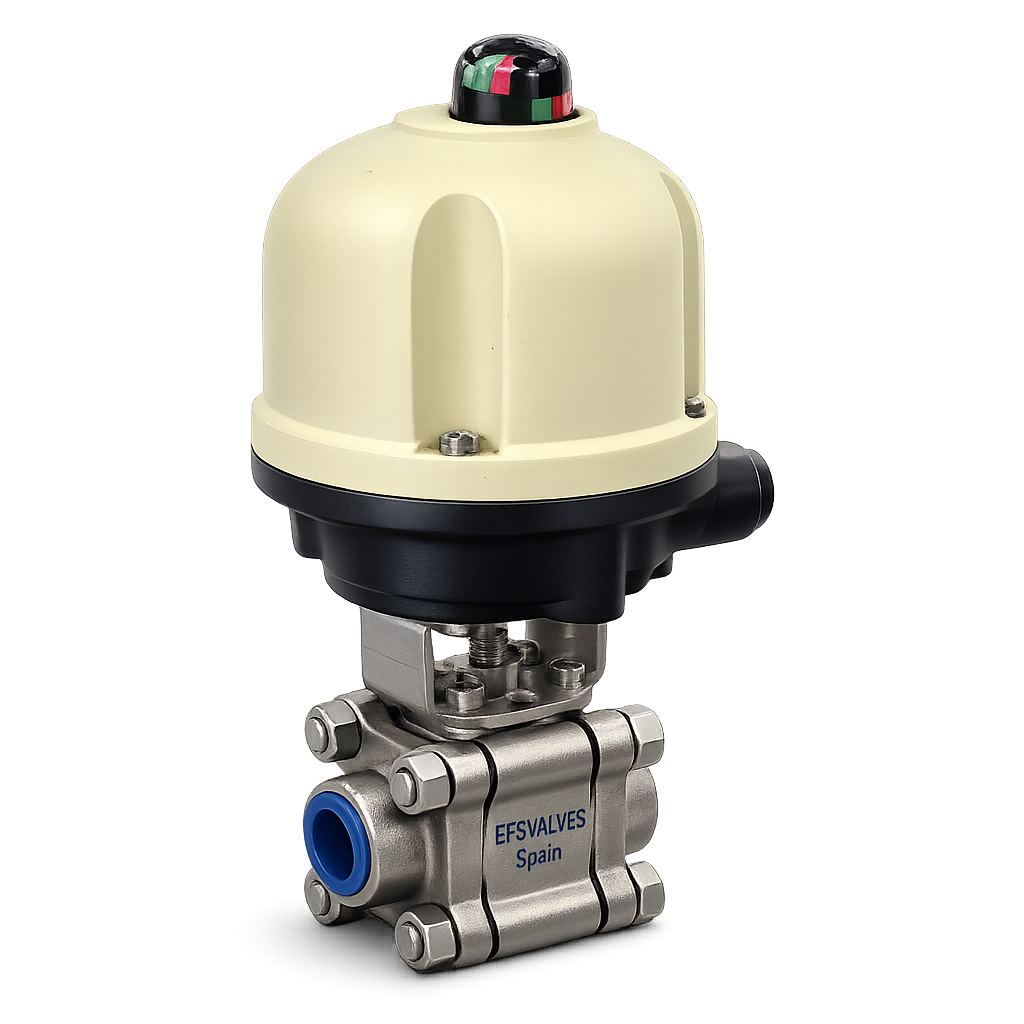
Actuated configuration
Automated assemblies become relevant when the valve must be integrated into control logic, remote operation or more demanding process sequences.
Another important point is whether the valve will be manually operated or integrated into an automated assembly. For many installations, the body design must support manual lever operation as well as compatibility with pneumatic or electric actuation.
Features such as an ISO 5211 top flange, anti-static design, fire-safe construction and a secure stem arrangement can become highly relevant when the valve is part of a modern automated or safety-related system.
Typical industries for exotic alloy ball valves
Exotic alloy ball valves are particularly relevant in industries where corrosion resistance and reliability are essential to safe operation. Typical sectors include:
- Oil & gas
- Petrochemical
- Chemical processing
- Water treatment
- Seawater and desalination systems
- General corrosive service in process industry environments
Across these sectors, the real requirement is usually the same: reliable shut-off, strong corrosion resistance and a valve construction that remains dependable under demanding operating conditions.
Configured product option for exotic alloy service
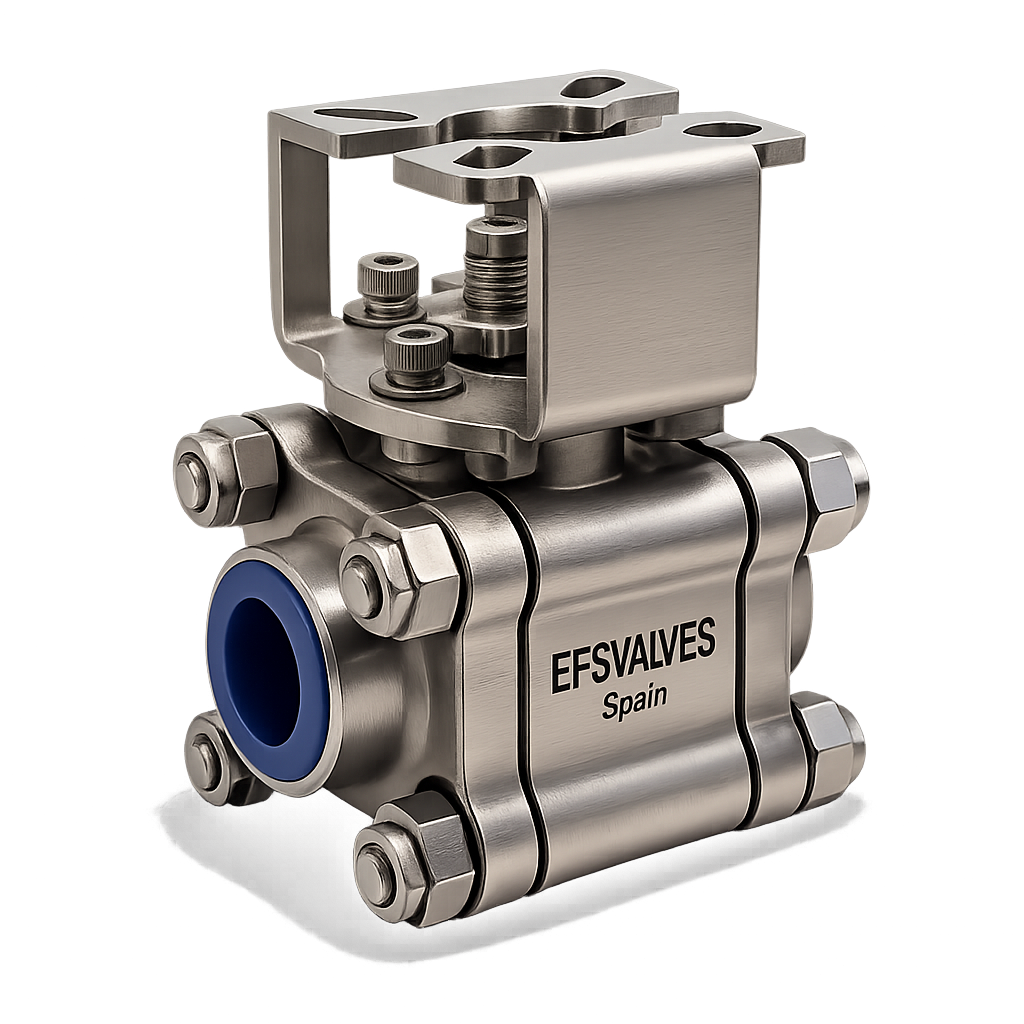
For projects requiring a 3 piece exotic alloy ball valve, configured options such as the EF40 can be evaluated according to material grade, pressure class, operating temperature and actuation requirements.
The EF40 is designed for demanding industrial service in advanced alloys including Super Duplex, Hastelloy and Titanium, combining a maintainable 3-piece body, full bore flow path and configuration readiness for both manual and actuated operation.
The final configuration still depends on the actual duty, corrosion scenario and project requirements, but a technically aligned valve platform helps reduce risk from the start.
Final thought
Selecting the right exotic alloy ball valve is ultimately a material and application engineering decision. Corrosion exposure, pressure and temperature, maintenance philosophy, actuation needs and project standards all influence the final result.
Need support selecting a corrosion resistant ball valve for a real application? Contact our engineering team and we will help review the right material and configuration for your service conditions.