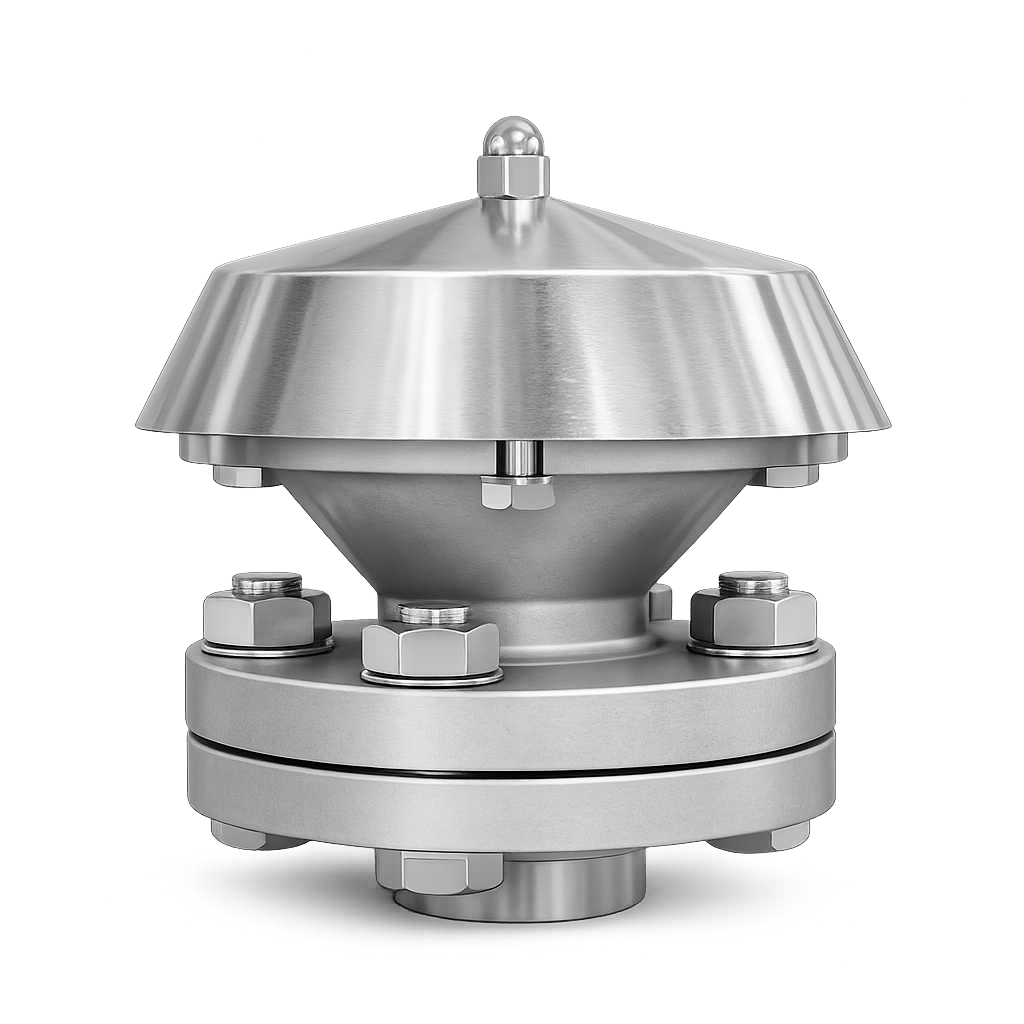
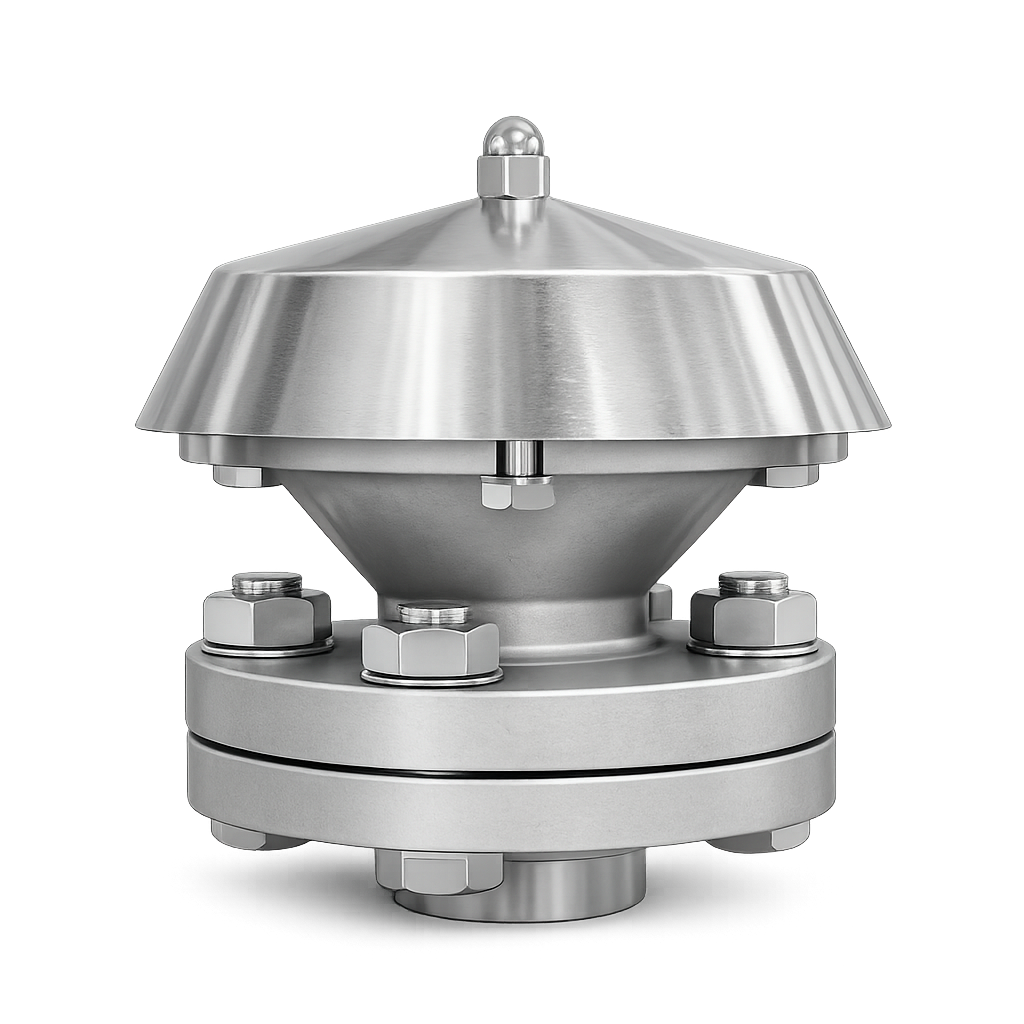
END-OF-LINE FLAME ARRESTER
EF500DFEL
- Flame transmission prevention
- ATEX certified for gas explosion groups
- Minimal pressure drop under normal flow
Applications
Configured Service Scope
ATEX / Hazardous Area
Chemical
Gas
Petrochemical
Key Specifications
Nominal Sizes½” to 6” / DN 15 to DN150
Flame propagationDeflagration
Explosion groupIIA / IIB1 / IIB2 / IIB3 / IIB / IIC
CertificationsATEX / PED-CE
Related Articles
From Technical Blog
How to Select the Right Flame Arrester for End-of-Line and In-Line ProtectionEFSVALVES at Expoquimia 2023, Barcelona
Read More Articles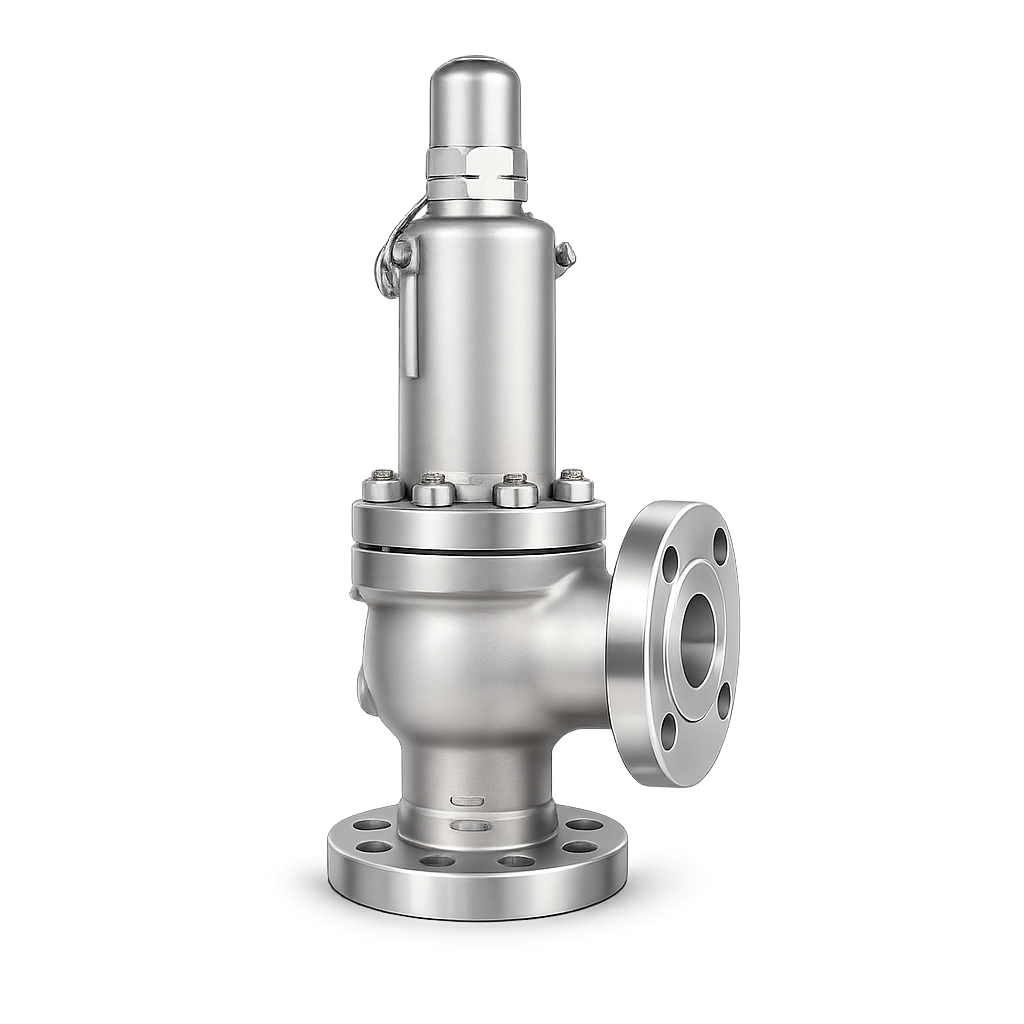
Selection & RFQ Assistant
Help us identify the right solution
Guided request
Build a technical RFQ line with service data, sizing conditions, accessories and documents.
01
Service
02
Process
03
Options
FAQs
An end-of-line deflagration flame arrester is installed at the atmospheric termination of a vent or process connection to help prevent an external flame from propagating back into the protected equipment. Typical applications include venting systems associated with tanks, vessels and gas installations where an atmospheric deflagration scenario has been identified. The required flame arrester must always be selected according to the actual gas or vapour, explosion group and operating conditions.
Yes, end-of-line flame arresters can form part of the explosion-protection concept for biogas, biomethane and other combustible gas installations where a vent communicates with atmosphere. Selection cannot be based on the word "biogas" alone. The actual gas composition, explosion group, temperature, pressure and installation conditions must be considered before selecting the appropriate device.
End-of-line flame arresters can be considered for vent points associated with anaerobic digestion, sewage-gas and wastewater-treatment installations where protection against flame propagation from atmosphere is required. The suitability and location of the device must be determined from the actual plant arrangement, gas composition and explosion-risk assessment.
An end-of-line flame arrester is installed where a pipe or vessel connection terminates to atmosphere. An in-line flame arrester is installed within a piping system between connected equipment. The correct configuration depends on the possible ignition location, piping arrangement and expected flame-propagation scenario.
ABOUT EF500DFEL
The end-of-line deflagration flame arrester is a safety device designed to protect tanks, vessels and vent systems by preventing flame propagation into the installation during atmospheric deflagration events.
Installed at the outlet of vents or open discharge points, the flame arrester stops the flame front by dissipating heat through its internal flame arresting element, quenching combustion and preventing external ignition sources from entering the protected system under defined operating conditions.
The device is available in a range of nominal sizes and explosion groups, in accordance with ATEX requirements. Depending on the selected configuration, the end-of-line deflagration flame arrester can be applied in a wide variety of industrial installations handling flammable gases or vapours, where compliant explosion protection at the tank or vent outlet is required.
Frequently Asked Questions
An end-of-line deflagration flame arrester is installed at the atmospheric termination of a vent or process connection to help prevent an external flame from propagating back into the protected equipment. Typical applications include venting systems associated with tanks, vessels and gas installations where an atmospheric deflagration scenario has been identified. The required flame arrester must always be selected according to the actual gas or vapour, explosion group and operating conditions.
Yes, end-of-line flame arresters can form part of the explosion-protection concept for biogas, biomethane and other combustible gas installations where a vent communicates with atmosphere. Selection cannot be based on the word "biogas" alone. The actual gas composition, explosion group, temperature, pressure and installation conditions must be considered before selecting the appropriate device.
End-of-line flame arresters can be considered for vent points associated with anaerobic digestion, sewage-gas and wastewater-treatment installations where protection against flame propagation from atmosphere is required. The suitability and location of the device must be determined from the actual plant arrangement, gas composition and explosion-risk assessment.
An end-of-line flame arrester is installed where a pipe or vessel connection terminates to atmosphere. An in-line flame arrester is installed within a piping system between connected equipment. The correct configuration depends on the possible ignition location, piping arrangement and expected flame-propagation scenario.
A deflagration and a detonation represent different flame-propagation regimes. A deflagration involves flame propagation without the shock-wave conditions associated with detonation. In a confined piping system, combustion can under certain conditions accelerate and develop into a more severe detonation regime. For this reason, a deflagration flame arrester should not automatically be substituted for a detonation flame arrester. Selection must consider the installation arrangement and credible ignition scenario.
The required explosion group should be determined from the actual gas or vapour composition and the applicable project classification. Methane is an important component of many biogas and biomethane streams, but gas composition can vary. The device should therefore not be selected from the application name alone. Gas composition and the required explosion group should be provided during the RFQ stage.
MESG means Maximum Experimental Safe Gap. It is a characteristic used in the classification of flammable gases and vapours according to their flame-transmission behaviour and is related to the applicable explosion group. Knowing the gas composition or required explosion group is therefore an important part of flame-arrester selection.
Flame arresters can form part of the safety concept for renewable combustible gases, including biogas and biomethane, where a flammable gas-air mixture and a potential flame path may exist. The correct device must be selected from the actual gas composition, installation arrangement and operating conditions rather than from the renewable origin of the gas.
Yes. Condensate, contamination and deposits can affect the available flow path and condition of a flame-arresting element. This is particularly relevant with wet gases such as biogas or sewage gas. Installation arrangement, drainage philosophy, inspection and maintenance should therefore take the characteristics of the gas stream into account.
Yes. A flame arrester introduces resistance to flow because the flame-arresting element forms part of the gas or vapour flow path. Pressure drop should therefore be considered together with the required flow rate and operating conditions, particularly in low-pressure vent and biogas systems. Actual pressure-drop requirements should be included in the RFQ where relevant.
For outdoor end-of-line installations, weather protection and protection against the ingress of foreign objects or birds may be relevant. Accessories such as protective hoods or screens can be evaluated according to the selected EF500DFEL configuration and installation requirements. Their availability and exact arrangement should be confirmed for the specific model and project before order.
The main information normally required includes: gas or vapour; gas composition where relevant; required explosion group, if already defined; required flow rate; operating and design pressure; operating and design temperature; connection size and type; installation location; end-of-line or in-line arrangement; and applicable project specifications. Any specific inspection, certification or documentation requirements should also be identified during the RFQ stage.
Delivery time depends on the size, material, explosion group, configuration, quantity and project requirements. The applicable delivery time is confirmed with each quotation. Logistics and international delivery can be coordinated according to the agreed supply conditions and project requirements.
Where inspection before delivery forms part of the project, the applicable requirements should be identified during the RFQ stage so that their scope can be evaluated and agreed.
Yes. EF500 flame arresters can be considered within EPC and project-managed environments where technical, quality, inspection and documentation requirements form part of the agreed supply scope. Project-specific requirements should preferably be defined during the RFQ stage.
The documentation scope depends on the selected flame arrester and the agreed project requirements. Applicable product, inspection, test and material documentation can be defined as part of the quotation. Any particular certification, traceability, third-party inspection or additional project-documentation requirements should be identified during the RFQ stage so that their applicability can be confirmed.