Water hammer, also known as hydraulic shock, is a transient overpressure phenomenon that can have serious consequences in hydraulic and industrial systems. Although it is often associated with water networks, it also occurs in steam circuits, condensate lines and other pressurized fluids, threatening the integrity of valves, piping and critical equipment.
What Is Water Hammer?
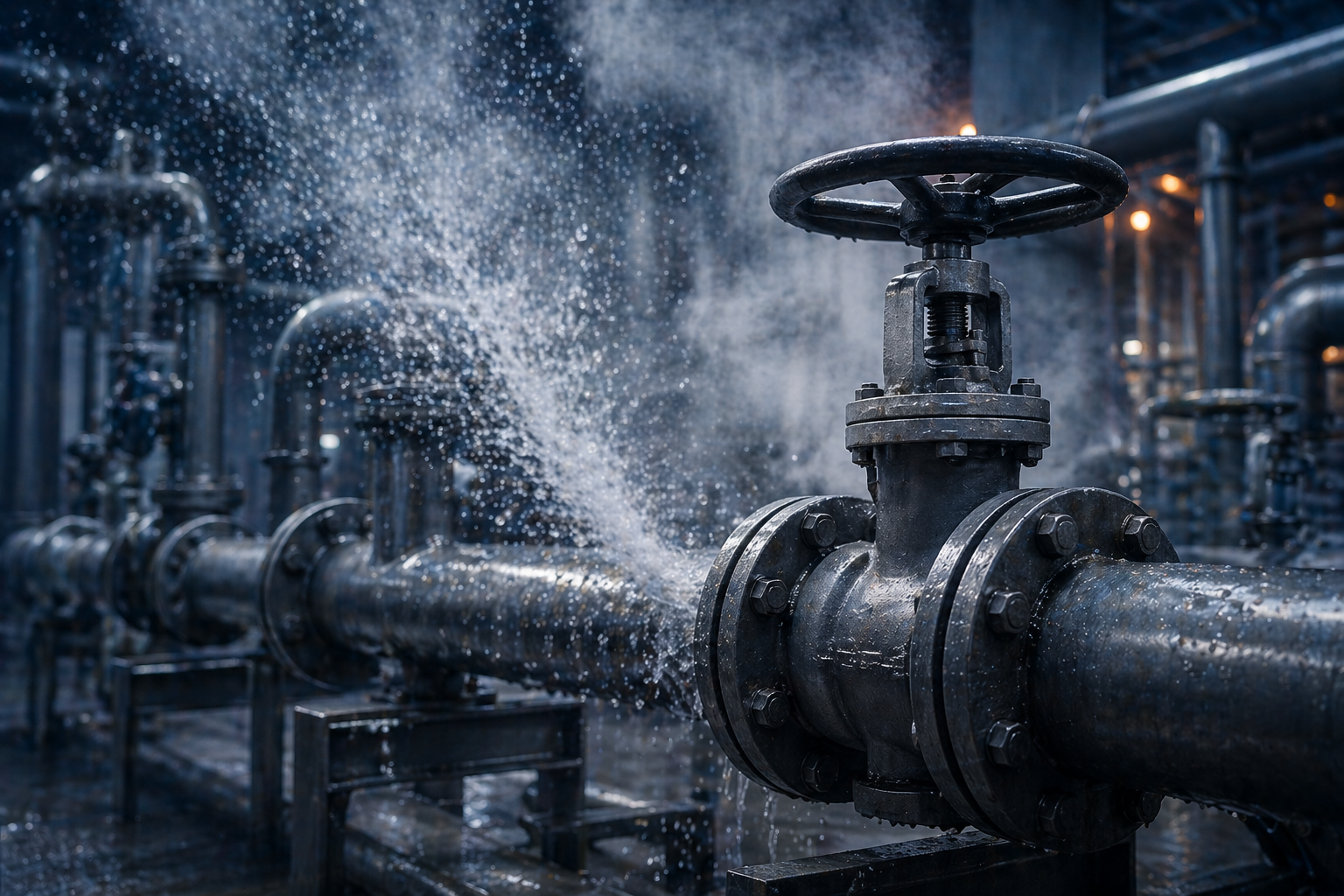
Water hammer is defined as a pressure wave generated by a sudden change in fluid velocity, typically caused by a fast valve closure, abrupt pump start or stop, or steam-condensate interaction. This overpressure travels at high speed through the pipework, exerting forces that may exceed the design limits of system components.
Main Causes of Water Hammer
In liquid systems
In water, glycol, thermal oil and other liquid services, water hammer is often linked to sudden acceleration or deceleration of the fluid column.
- Sudden closure of a manual or motorized valve
- Emergency shutdown or power failure of a pump
- Dry start-up without prior purging
- Presence of trapped air or hydraulic vacuum pockets
- Long runs without accumulators or properly sized check valves
In steam systems
In steam and condensate networks, the phenomenon can be even more severe when steam pushes accumulated condensate through the line at high velocity.
- Condensation during system shutdown, when steam cools and becomes liquid in low points
- Reintroducing steam without draining condensate, causing high-energy steam to push the liquid violently
- Absence or malfunction of steam traps
- Poor slope design or missing drain points
Effects of Water Hammer on Valves and Piping
The consequences of hydraulic shock can be immediate, but they are often cumulative, silent and progressive if not detected and addressed in time.
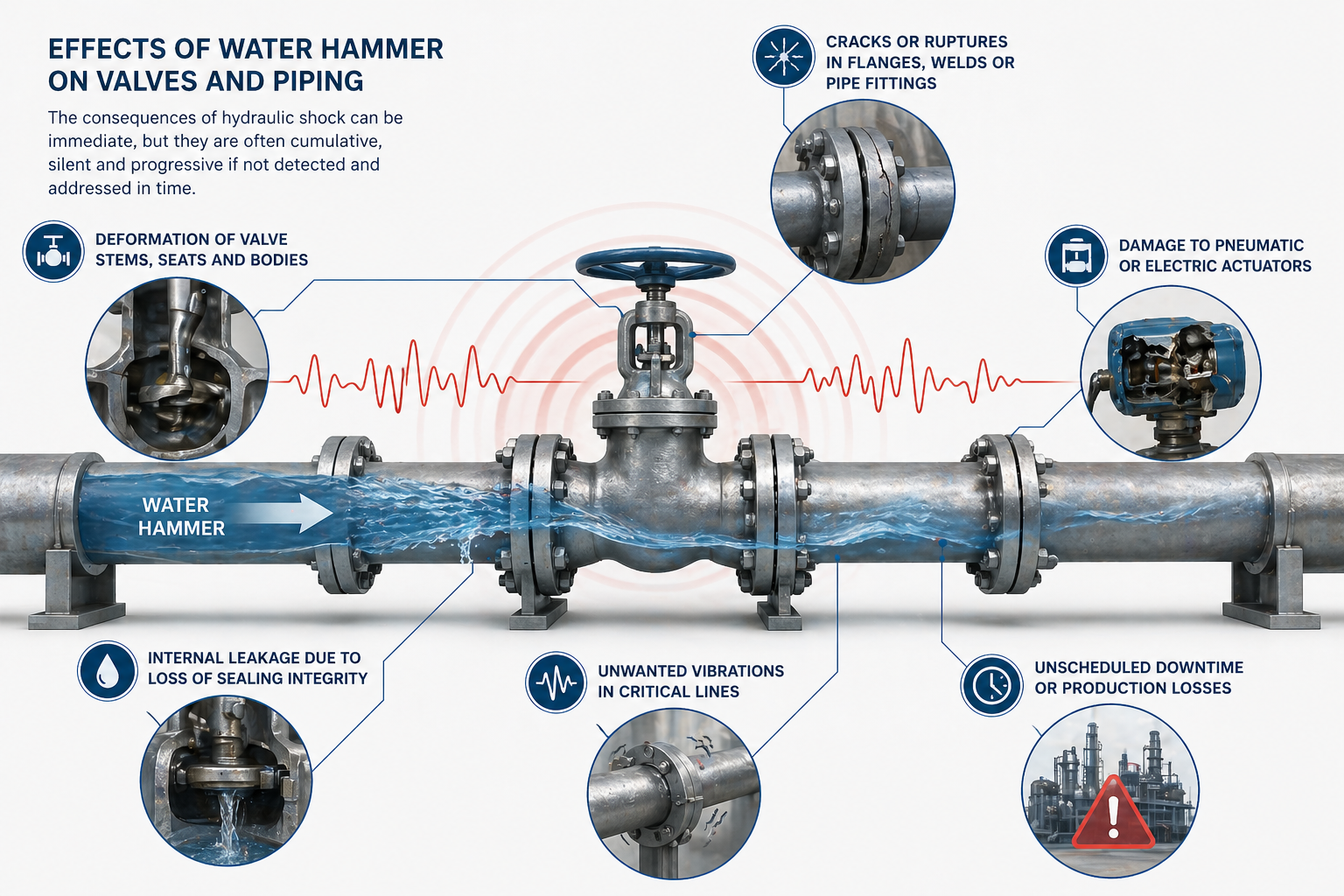
- Deformation of valve stems, seats and bodies
- Cracks or ruptures in flanges, welds or pipe fittings
- Damage to pneumatic or electric actuators
- Internal leakage due to loss of sealing integrity
- Unwanted vibrations in critical lines
- Unscheduled downtime or production losses
How to Prevent Water Hammer
Preventive actions vary depending on the system type, operating sequence and piping layout. The best results usually come from combining design, control and maintenance measures.
Water hammer prevention matrix
| Risk driver | Typical symptom | Protection route |
|---|---|---|
| Fast valve closure | Pressure spike after isolation or emergency action | Gradual actuation profiles, damped check valves and coordinated shutdown logic |
| Pump trip or sudden restart | Reverse flow, line shock or repeated vibration | VFD soft starts, non-slam check valves and transient pressure monitoring |
| Steam-condensate interaction | Impact noise, pipe movement and localized stress | Steam traps, automatic drainage and verified restart procedures |
| Long pipe runs or trapped air | Delayed surge waves and unstable operation | Air removal, accumulators, expansion tanks and proper pipe slope |
Proper hydraulic design
- Avoid horizontal sections without slope
- Use properly sized check valves, preferably with damping
- Install hydraulic accumulators or expansion tanks in critical locations
- Minimize sudden changes in flow direction or velocity
Operation control
- Use variable frequency drives (VFDs) to enable soft starts on pumps
- Install motorized valves with gradual open and close profiles
- Ensure logical, coordinated start-up and shutdown sequences
Steam condensate management
- Install suitable steam traps, such as inverted bucket, thermodynamic, float and thermostatic types
- Ensure automatic drainage in low points
- Schedule preventive maintenance for steam traps and purgers
- Check operation before every restart
Additional protection
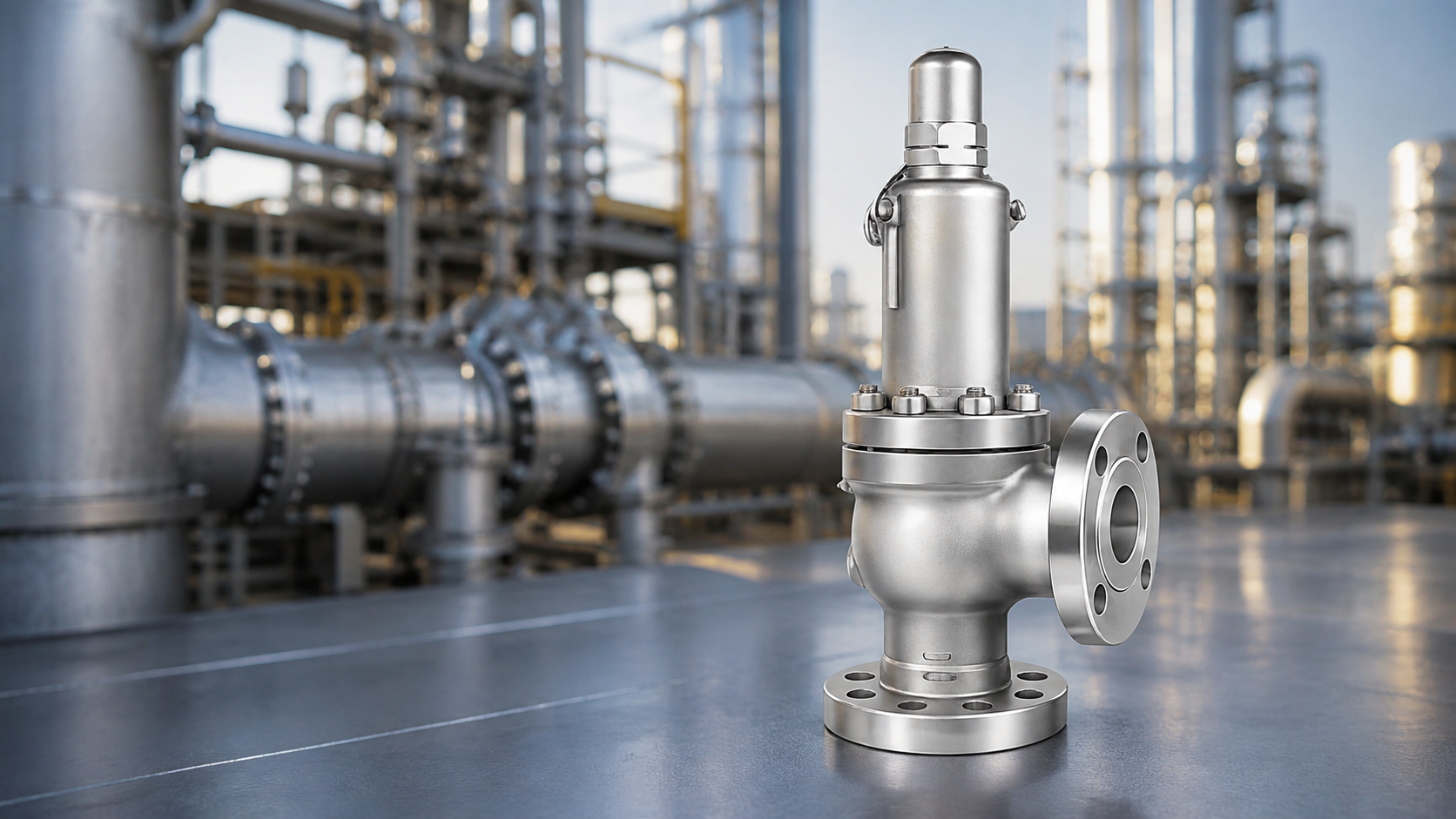
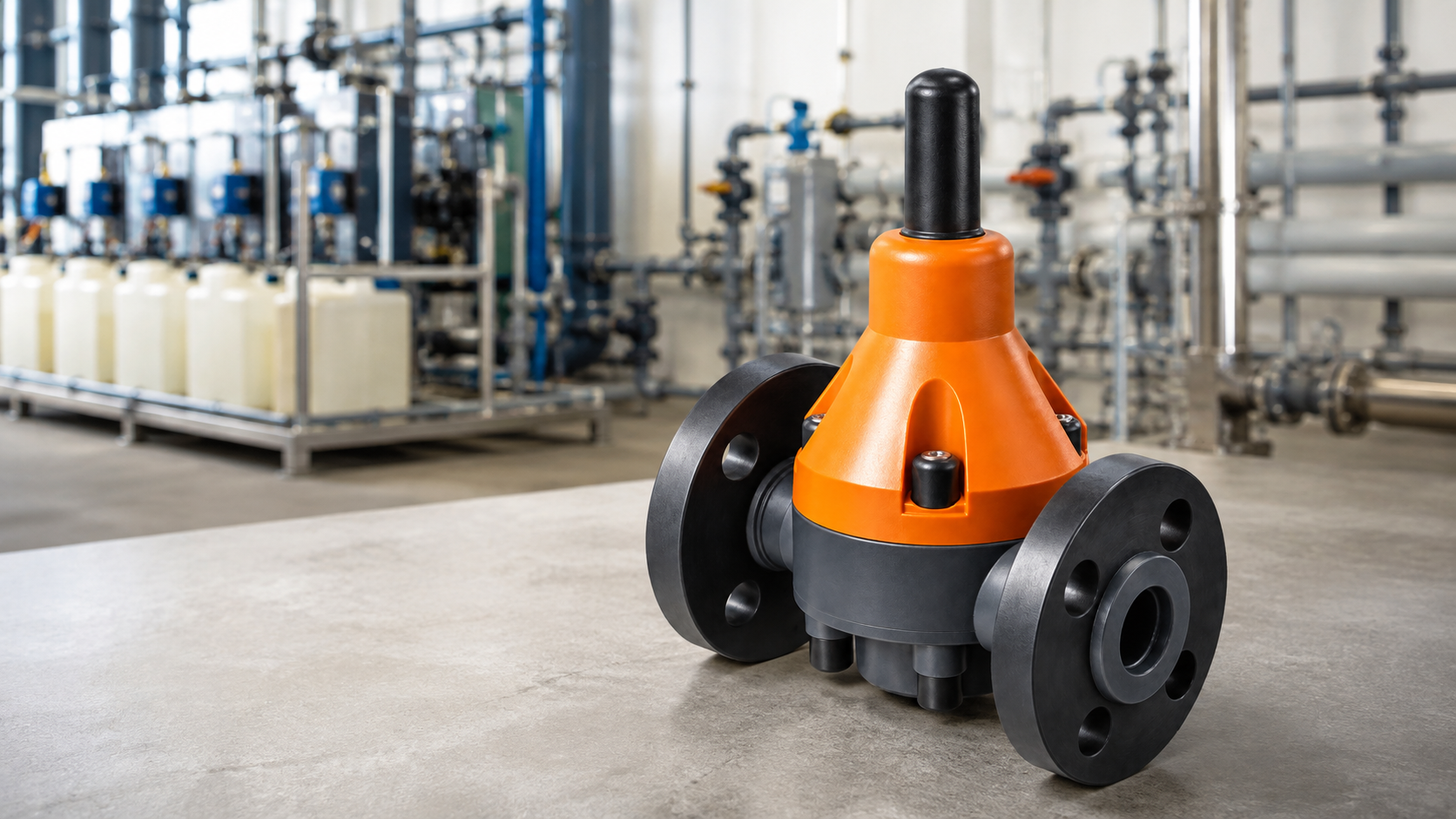
- Use pressure relief valves in sensitive areas
- Install transient pressure sensors linked to alarms or interlocks
- Apply double-retention systems with damped check valves in critical zones
Conclusion
Water hammer is a silent but very real threat to fluid systems. A single uncontrolled pressure spike can result in unplanned shutdowns, costly repairs and long-term component damage.
At EFSVALVES, we help prevent water hammer right from the design stage with tailored technical solutions such as:
- Damped check valves
- High-efficiency steam traps
- Protection accessories and pressure control systems
- Technical support in valve selection, sizing and commissioning
Need support reviewing a water hammer risk? Contact our engineering team and we will help evaluate the operating conditions, valve strategy and protection measures for your system.