Did you know that there are hybrid solutions for corrosive services that do not always require expensive exotic alloys or long delivery times?
In chemical, fertilizer, petrochemical, desalination and water treatment plants, safety and relief valves may be exposed to corrosive media, aggressive vapours, salt-laden atmospheres or products with a tendency to stick, crystallise or create deposits.
The traditional approach is often to move directly from standard stainless steel or carbon steel to high-cost materials such as Hastelloy, Monel, Titanium, Alloy 20, Duplex or Super Duplex.
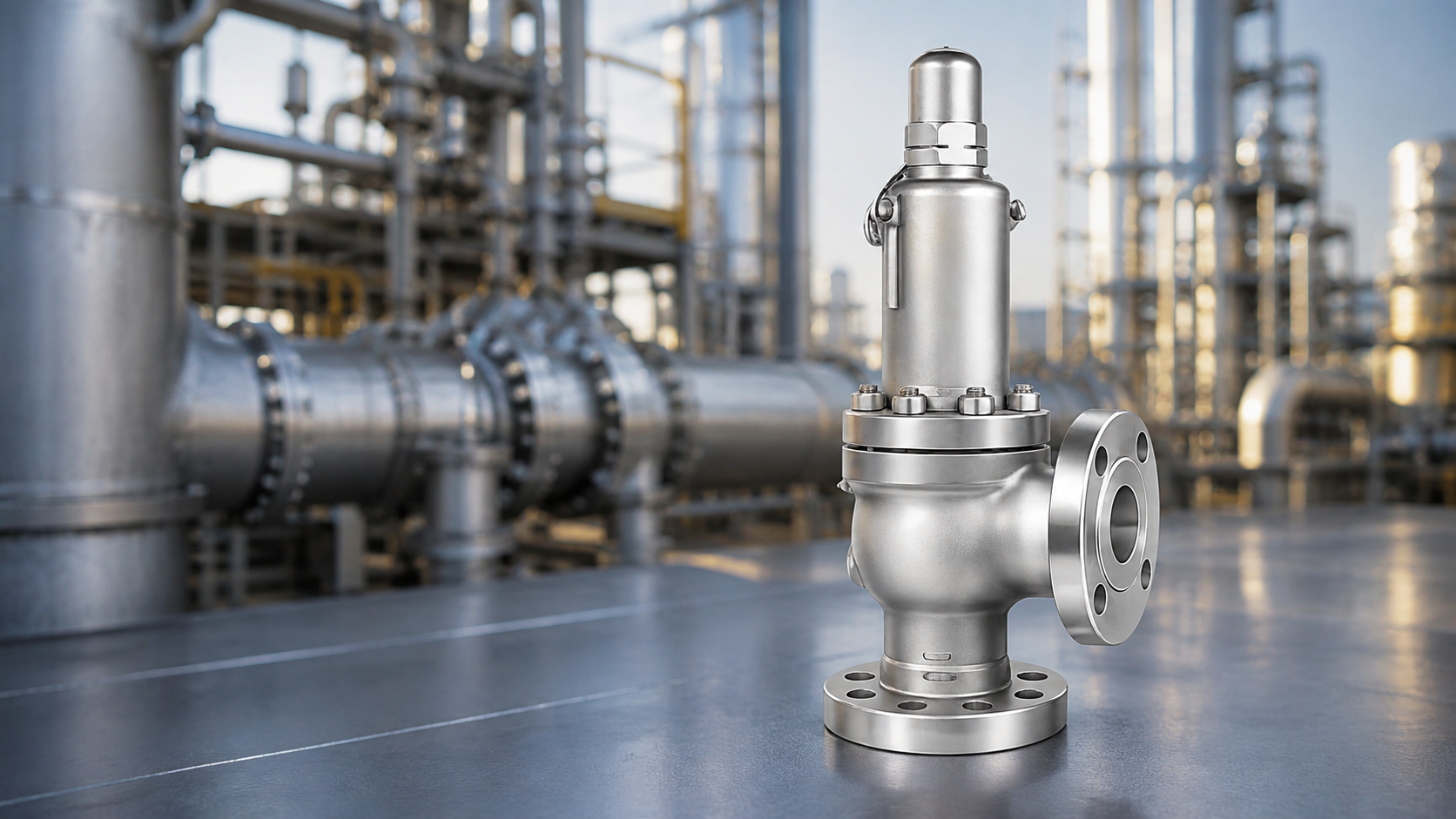
But in selected applications, there may be a smarter intermediate option: PTFE coated safety and relief valves.
A practical surface-protection upgrade
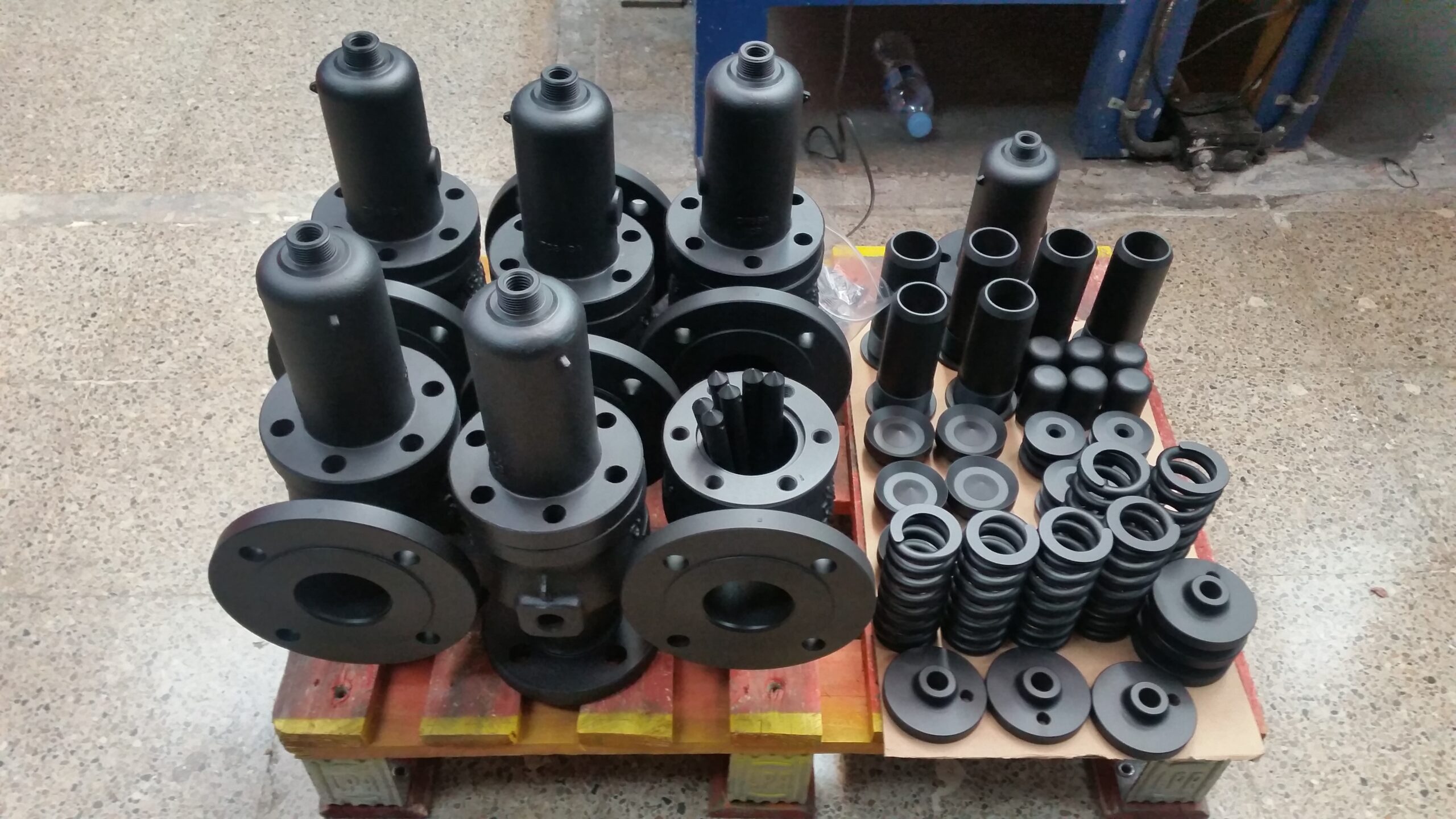
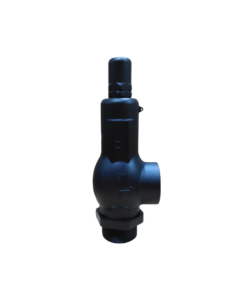
A PTFE coated safety or relief valve is not a fully lined valve. It is a metallic valve where selected components are protected with a thin PTFE-based coating to improve the behaviour of the surface exposed to the process medium.
Depending on the application, the coating can be applied to the trim, to selected wetted parts, or to a wider set of components.
The objective is simple: to improve corrosion resistance, reduce adhesion, limit product build-up and offer a more competitive solution when full exotic metallurgy is not technically or economically justified.
Why PTFE coating can make sense
PTFE is widely used in industrial applications because of its chemical resistance, low friction and non-stick behaviour. In safety and relief valves, these properties can be useful when the service involves corrosive vapours, chemical attack, sticky media or products with a tendency to generate deposits.
- Improved surface resistance in chemically aggressive environments.
- Lower adhesion of sticky or crystallising products.
- Reduced build-up on internal surfaces.
- Easier cleaning and maintenance in selected services.
- More competitive cost compared with full exotic alloy construction.
- Shorter delivery time when standard base materials can be used.
- A practical alternative between standard metallurgy and fully exotic or lined executions.
This does not mean that PTFE coating replaces exotic alloys in every case. It means that, when the real problem is surface attack, adhesion or moderate chemical exposure, a coated solution may be worth evaluating before moving directly to a more expensive execution.
PTFE coated vs PTFE lined: not the same solution
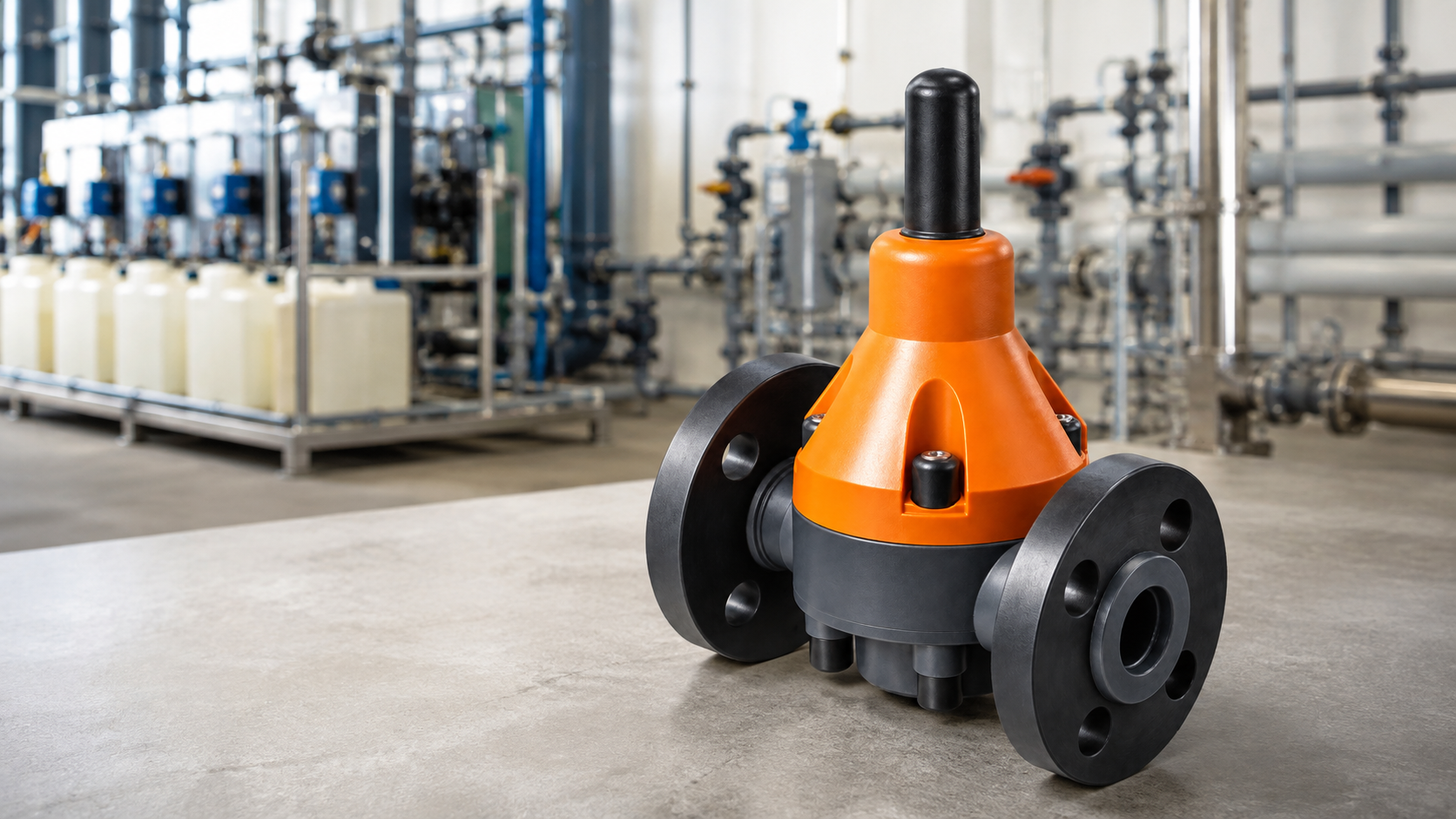
One important point must be clear: PTFE coated is not the same as PTFE lined.
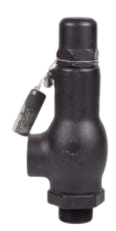
A PTFE coated valve uses a thin functional coating applied to selected metallic surfaces. A PTFE lined valve uses a thicker internal lining designed to isolate the metal body from the process fluid.
| Selection criterion | PTFE coated valve | PTFE lined valve |
|---|---|---|
| Type of protection | Thin functional coating | Thick internal lining |
| Main purpose | Surface protection, lower adhesion, improved chemical resistance | Full isolation of the metal body from the process fluid |
| Typical use | Moderate corrosive services, sticky media, deposits, surface attack | Highly corrosive services requiring complete chemical barrier |
| Cost impact | Usually more competitive | Usually higher |
| Lead time | Often shorter | Often longer |
| Design complexity | Lower | Higher |
| Best fit | Practical intermediate solution | Severe chemical service solution |
Cost and lead time: two key reasons to evaluate PTFE coating
In many industrial projects, exotic materials are technically valid but can generate important commercial and planning challenges.
They may increase material cost, machining cost, documentation complexity, spare parts cost and delivery time. In project environments, this can affect the procurement schedule and even the overall project execution.
PTFE coated safety and relief valves can sometimes help reduce that pressure by allowing the use of more available base materials while improving the surface behaviour of the valve in contact with the process medium.
For buyers and project engineers, this can be especially relevant when the application requires improved corrosion resistance but does not necessarily require the complete valve body to be manufactured in an exotic alloy.
Typical applications
PTFE coated safety and relief valves may be considered in sectors such as:
- Chemical processing.
- Fertilizer plants.
- Petrochemical auxiliary services.
- Desalination and reverse osmosis.
- Water treatment.
- Chemical dosing systems.
- Resin, polymer and adhesive processes.
- Services with corrosive vapours.
- Services with sticky or deposit-forming media.
In desalination and reverse osmosis plants, for example, chemical dosing, cleaning circuits and auxiliary corrosive services may require better corrosion behaviour without always justifying full exotic alloy construction.
In fertilizer or chemical plants, PTFE coating may help when salts, vapours or sticky products create corrosion or maintenance issues on conventional metallic surfaces.
When PTFE coating may not be enough
A PTFE coated execution is not a universal solution. In severe chemical attack, high abrasion, erosion, highly permeating media or services requiring full isolation of the metal body, a fully lined valve or an exotic alloy construction may still be the right choice.
It is also important to check temperature, pressure, fluid compatibility, coating thickness, dimensional tolerances, cleaning conditions and the mechanical function of the coated parts.
For safety and relief valves, final testing and calibration remain essential. The valve must perform its safety function correctly after any surface treatment or special execution.
EFSVALVES approach
At EFSVALVES, we do not select PTFE coating as a catalogue shortcut.
Each application must be reviewed according to the real service conditions: fluid, concentration, temperature, set pressure, back pressure, valve size, corrosion mechanism, maintenance history, documentation requirements and delivery constraints.
Depending on the case, the right solution may be:
- Standard stainless steel.
- Carbon steel with coated trim.
- Stainless steel with PTFE coated trim.
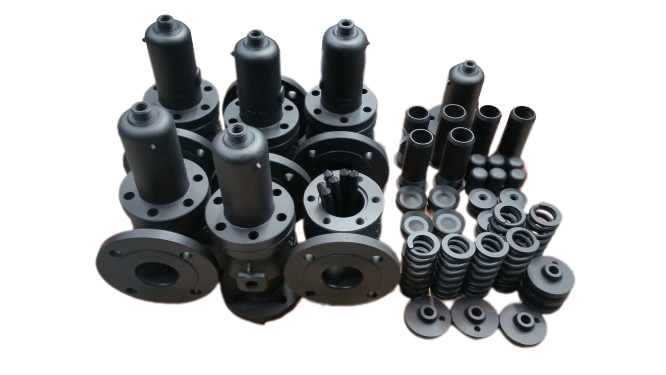
- Fully PTFE coated execution.
- PTFE/PFA lined valve.
- Duplex or Super Duplex.
- Exotic alloy construction.
The best solution is not always the most expensive material. The best solution is the one that matches the real corrosion mechanism, operating conditions, project budget and delivery target.
Need a corrosion-resistant safety or relief valve?
Before moving directly to an exotic alloy execution, it may be worth checking whether a PTFE coated safety or relief valve can solve the real problem.
Send us your fluid, operating temperature, set pressure, valve size and project requirements. Our technical team will help you evaluate whether PTFE coating, PTFE lining, stainless steel, Duplex, Super Duplex or exotic alloy construction is the most suitable option.