Pressure Safety Valve Changeover System

CHANGEOVER
  • Continuous operation with dual safety valve configuration
  • Allows maintenance without system shutdown
  • Designed for critical installations and high availability
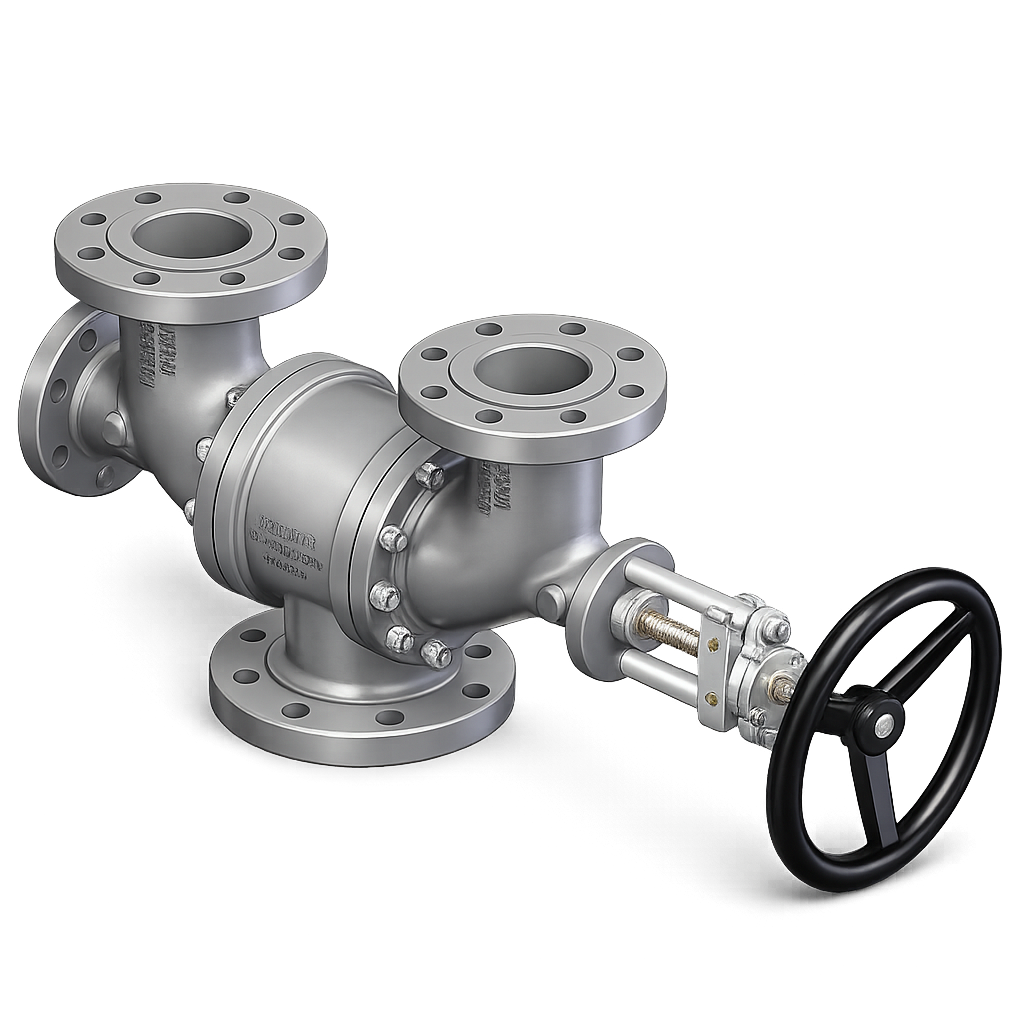
Pressure safety valve changeover system for dual PSV installation

Applications

Configured Service Scope
ATEX / Hazardous Area
Chemical
Cryogenic
Gas
Oil & Gas
Petrochemical

Key Specifications

NOMINAL SIZES1/2” to 20”
PRESSURE RATINGSANSI Class 150 to Class 2500
TEMPERATURE RANGE-196°C to +540°C
DESIGN STANDARDSAPI RP 520 / API STD 526 / ASME Section VIII / EN 4126
MATERIALSCarbon Steel (WCB, WCC, WC6, WC9, LCB, LCC) Stainless Steel (CF3M, CF8) Duplex / Super Duplex
CONNECTIONSFlanged (ASME / ANSI B16.5)

Selection & RFQ Assistant

Help us identify the right solution
Guided request

Build a technical RFQ line with service data, sizing conditions, accessories and documents.

01
Service
02
Process
03
Options

FAQs

A duty-standby PSV arrangement uses two safety valves, with one valve in service and the second available as standby. The changeover system allows the active relief path to be transferred between the two valves so inspection, maintenance or replacement can be carried out without leaving the protected system without an available PSV.
The system directs flow to one of two installed safety valves through a mechanical switching mechanism. One relief path is active while the other valve is isolated and available for inspection, maintenance or replacement.
No. The system is designed to prevent simultaneous isolation of both safety valves so that an available relief path is maintained during changeover and maintenance operations.
No. In a typical changeover or duty-standby arrangement, one safety valve is active while the second valve is available as standby. A parallel relief arrangement may use two or more safety valves simultaneously to provide the required relieving capacity. The two arrangements therefore have different operating and sizing requirements.

ABOUT CHANGEOVER

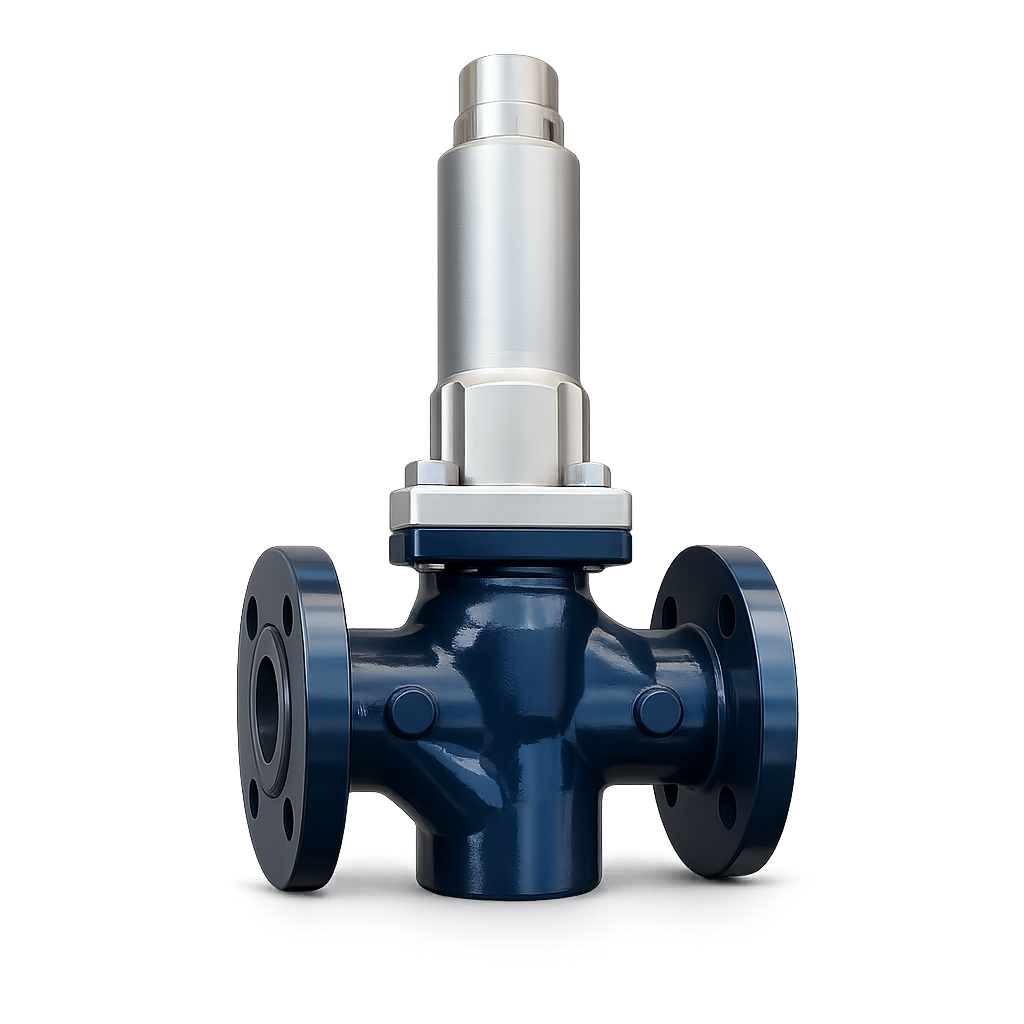
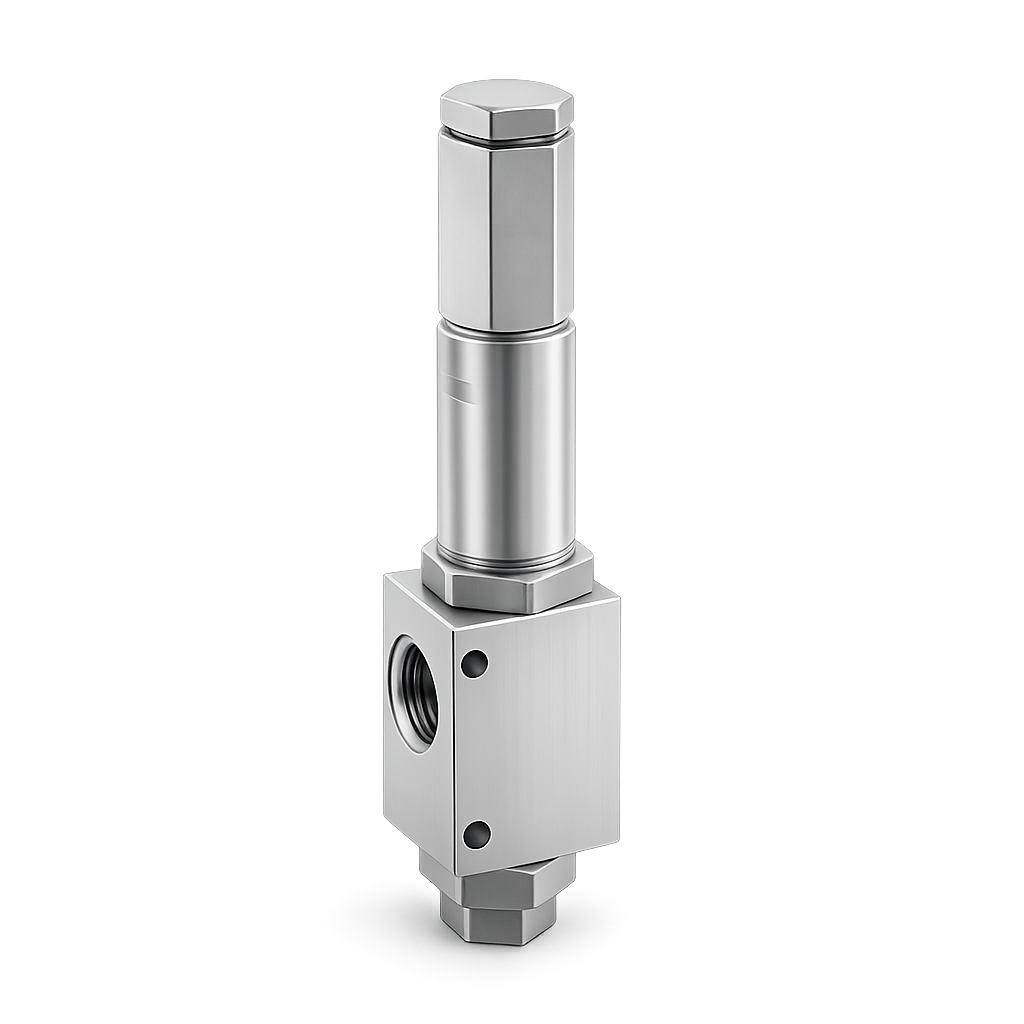
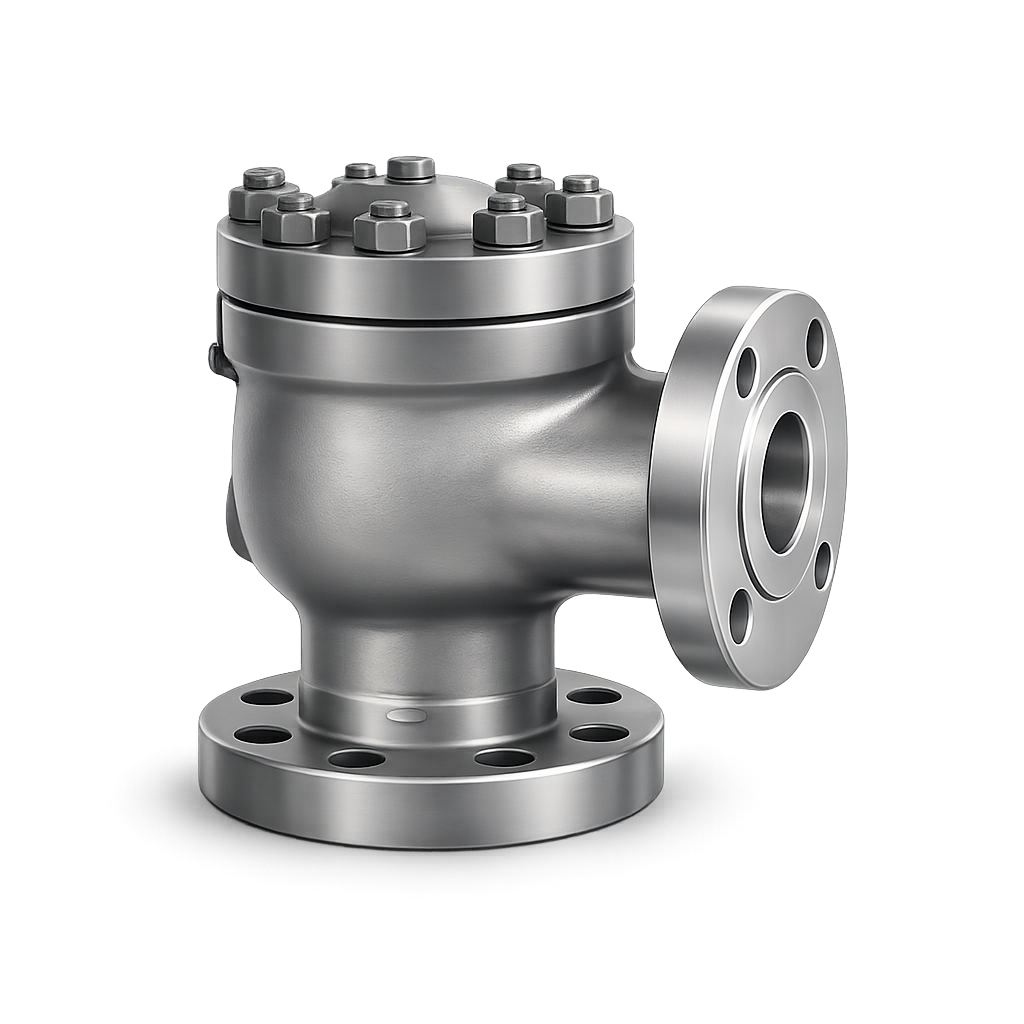
The PSV Changeover System is a diverter valve assembly designed to maintain continuous overpressure protection by transferring service between two installed pressure safety valves. Depending on the selected arrangement, it can be configured with different compatible PSV models, sizes and pressure classes.

This duty-standby arrangement allows inspection, maintenance or replacement of one PSV while the second relief path remains available, helping avoid process interruption in critical installations.

The system is designed in line with API RP 520, API STD 526, ASME Section VIII and applicable EN requirements, depending on the selected configuration and project scope. Final selection must consider the relieving duty, PSV sizing, pressure losses, operating conditions and installation arrangement.

Flanged configurations are available in carbon steel, stainless steel, duplex and super duplex for refinery, petrochemical, chemical, cryogenic and other demanding process applications.

Frequently Asked Questions

A duty-standby PSV arrangement uses two safety valves, with one valve in service and the second available as standby. The changeover system allows the active relief path to be transferred between the two valves so inspection, maintenance or replacement can be carried out without leaving the protected system without an available PSV.
The system directs flow to one of two installed safety valves through a mechanical switching mechanism. One relief path is active while the other valve is isolated and available for inspection, maintenance or replacement.
No. The system is designed to prevent simultaneous isolation of both safety valves so that an available relief path is maintained during changeover and maintenance operations.
No. In a typical changeover or duty-standby arrangement, one safety valve is active while the second valve is available as standby. A parallel relief arrangement may use two or more safety valves simultaneously to provide the required relieving capacity. The two arrangements therefore have different operating and sizing requirements.
In a duty-standby changeover arrangement, the active safety valve and its relief path must be capable of providing the required overpressure protection for the assigned relieving case. The changeover system should therefore be reviewed together with the PSV sizing and actual process conditions rather than selected only from connection size.
A changeover valve forms part of the pressure-relief flow path and therefore introduces additional flow resistance. The complete inlet arrangement should be reviewed so that pressure losses do not adversely affect the operation or relieving performance of the active safety valve.
The system can be configured for different compatible PSV models and project arrangements. Compatibility must be confirmed from the safety-valve design, nominal size, pressure class, required relieving capacity, connection arrangement and applicable API or EN requirements.
The published design basis includes API RP 520, API STD 526, ASME Section VIII and EN 4126. The exact applicable standard and certification scope should be confirmed for the selected configuration and project requirements.
The published range covers pressure classes from ANSI Class 150 to Class 2500, depending on the selected model, size, material and configuration.
The system can be supplied in carbon steel, stainless steel, duplex and super duplex. Final material selection should consider the fluid, temperature, corrosion conditions and project specification.
Yes. Cryogenic service is included in the published application scope, and the current product range indicates configurations down to -196°C, depending on material selection and the complete supplied execution. Final suitability should be confirmed against the actual fluid, temperature, pressure and project requirements.
The system is supplied with flanged connections according to ASME / ANSI B16.5. The exact inlet and outlet arrangement, nominal size and facing should be confirmed for the selected configuration.
A changeover system can be considered where continuous plant availability is important and periodic inspection, maintenance or replacement of the PSV should be possible without shutting down the protected process. Where shutdown for safety-valve maintenance is acceptable, a single PSV arrangement may provide a simpler solution.
Selection normally requires the process fluid, PSV model or models, required relieving capacity, set and relieving pressures, backpressure where applicable, operating temperature, nominal size, pressure class, inlet and outlet arrangement, materials and applicable project standards.
Delivery time depends on the selected model, size, pressure class, material, configuration and project requirements. Large, high-pressure or special-material assemblies may require additional manufacturing time. The applicable lead time is confirmed for each quotation.
Yes. EFSVALVES can coordinate export packaging, project documentation and international delivery according to the agreed supply scope.
Yes. Inspection and testing can be arranged before shipment in accordance with the agreed project specification, including third-party inspection or witness testing where required.
Yes. The agreed supply scope can include technical documentation, material certificates, inspection reports, pressure-test records, drawings and declarations of conformity as applicable.
Yes. EFSVALVES can support selection, configuration and integration of the complete assembly, including compatibility between the changeover system, the selected PSV models and the relief-system arrangement.
Yes. The PSV Changeover System can be considered for EPC and project-managed applications where the required relieving duty, PSV configuration, pressure class, materials, connections, operating conditions, inspection and documentation requirements are defined during the RFQ stage. The complete assembly should be reviewed against the actual process data and project specification.